
A student budget does not mean a bad case. It means spending where the case actually protects the phone and saving on the parts that only affect looks. The features that stop a screen from cracking — a snug fit, raised edges around the glass and camera, and corners that absorb a drop — are cheap to make and appear on plenty of affordable cases. What tends to cost more is branding, special materials, and extras like magnets or card slots. Decide which of those you genuinely need, and the rest of the budget question answers itself.
- Spend on fit and corner protection; save on logos, textures, and packaging.
- A one-piece case with raised screen and camera edges covers the basics cheaply.
- Add a screen protector before you add a second case — it protects more per dollar.
- Replace a cheap case when the corners crack, rather than waiting for the phone to pay for it.
What does a student budget actually need to cover?
A student budget needs to cover three things and nothing else: a case that fits the phone exactly, raised edges around the screen and the camera, and corners that give a little when the phone lands on them. Those three features are what turn a drop into a scare rather than a repair. Everything else — the finish, the color, the brand name on the back — is cosmetic and can be traded away without weakening the protection. A budget case that fits tightly and lifts the glass off a flat surface does more than an expensive case that is slightly loose. Before you compare prices, work out what your phone costs to repair or replace. If a screen repair would hurt, protection is the last place to economize. A case that costs a little more but lasts a full year is cheaper than three that fall apart by spring.
Where is it worth spending a little more?
Two places repay a little extra. The first is the material around the corners, because that is where a drop is absorbed; a case with a soft inner layer and a firmer outer shell handles knocks better than a single hard piece of plastic that cracks instead of flexing. The second is the fit, which is harder to judge online than in your hand. A slightly better case tends to hold its shape over months, while the cheapest ones stretch, yellow, or lose their grip on the phone. Beyond those, spend on whatever you touch every day: if a grippier finish stops you dropping the phone in the first place, it has already paid for itself. Do not spend extra on features you will not use, and do not pay more for a color that will be hidden inside your pocket anyway. Spend where the phone meets the ground.
Which materials give the most protection for the least money?
For a tight budget, a soft flexible case with reinforced corners is usually the best value, because it absorbs shock and grips the phone without needing a rigid frame. A clear case is inexpensive and shows the phone, though many clear plastics discolor over time, so treat it as a seasonal buy rather than a long-term one. A simple one-piece shell with a raised lip around the screen and camera is the cheapest way to cover the basics, and it stays slim in a pocket. What you want to avoid is a hard case with thin, brittle corners and no lip, because it protects the flat back and little else. A flexible case also comes off and goes on without cracking, which matters if you clean your phone regularly. If you are unsure which material suits your habits, read silicone vs TPU vs polycarbonate cases compared.
How do cheap add-ons change the value?
Add-ons are where a small budget can stretch furthest if you choose well. A magnetic ring stuck to the back of a plain case adds grip, a stand, and a way to mount the phone in a car for very little, and it can move to the next case when you change it. A basic screen protector is often the best value item in the whole kit, since it takes the scratches and the small impacts that would otherwise reach the glass. What rarely pays off is a case with a built-in feature you will not use, such as a kickstand that breaks or a card slot that stops closing. Buy the simple case and the ring, and put the difference toward a spare cable instead. Small, reusable add-ons keep their value; built-in extras usually do not.
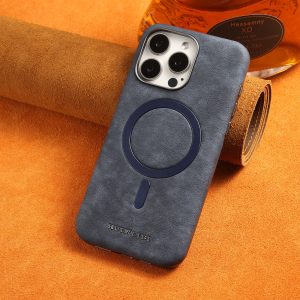
Grips & Ring Holders — holder. Designed for everyday carry and backed by our 30-day happiness guarantee.
What are the warning signs of a false bargain?
A false bargain usually shows itself in the details. If the case is described for a range of models rather than one exact phone, the openings will not line up and the camera will be partly covered. If the corners are thin and sharp, there is nothing to absorb a drop. If the material smells strongly of plastic, it may discolor or become sticky within weeks. If the case is so tight that it bends the phone going on, or so loose that it shifts when you press the screen, the fit is wrong in both directions. Read the dimensions and check that the listing names your exact model, including the camera layout. A cheap case that fits is a bargain; a cheap case that does not is a cost you pay twice, once at the till and once at the repair shop.
How do you make a budget case last longer?
A budget case lasts longer with a little care. Clean it every few weeks with mild soap and water, because grit trapped between the case and the phone is what scratches the frame and stretches the shell. Take the case off occasionally to check for dust and to let the phone breathe, and put it back carefully so the corners seat properly. Avoid leaving the case in direct sun on a dashboard, since heat speeds up discoloring and warping. If a corner cracks, replace the case rather than ignoring it, because a cracked corner no longer absorbs anything. Keeping the phone out of a pocket with keys also helps, and so does a screen protector. For more on spending decisions, see how much should you spend on a phone case.
Frequently asked questions
- Is a cheap case safe for an expensive phone? Yes, if it fits tightly and has raised edges around the screen and camera. Fit matters more than price.
- Do I need a screen protector on a budget? It is usually the best-value item you can buy, because it takes the scratches and small impacts instead of the glass.
- Are clear cases a good budget choice? They are cheap and show the phone, but many discolor over time, so expect to replace them sooner than a solid case.
- Should I buy two cheap cases or one better one? One case that fits properly is usually the better buy. A second case does not add protection, it just adds clutter.
- When should I replace a budget case? At the first crack or when the corners stop holding the phone. A case that no longer fits has stopped protecting.


