Spend enough to cover the accidents you actually have, and not a dollar more. If you drop your phone a few times a year, a mid-range case with a raised camera lip and a shock-absorbing liner is the sensible buy; if the phone never leaves a desk, a thin shell does the job. The honest answer to how much should you spend on a phone case is to match the case to your drop history and to how long you plan to keep the phone.
- Match your spend to how often you actually drop the phone, not to how much the phone cost.
- A single-layer shell stops scuffs; a dual-layer case with a raised lip and a liner absorbs falls.
- A cracked screen costs more to fix than a better case would have cost in the first place.
- Prices are in USD, and tracked shipping is free on orders over $49.
What does a budget phone case actually leave out?
Budget cases are usually one piece of moulded plastic or soft silicone. They cover the back and the sides, which stops scuffs and keeps the finish clean, and that is a real job. What they usually leave out is a raised lip around the camera and the screen, a shock-absorbing liner between the shell and the phone, and corner reinforcement. Those three things are what absorb a fall onto tile or pavement. A budget case also tends to fit loosely, so grit works its way in and rubs the frame. None of that makes a budget case a bad buy, because for a phone that lives on a desk it is the right buy. Just know what you are trading away.

What do you get in the middle of the range?
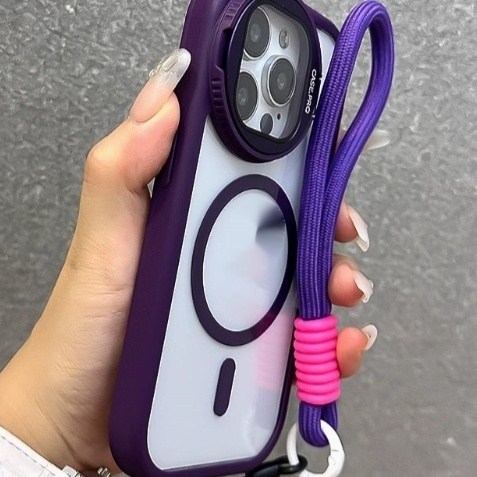
Mid-range cases add the layers that matter. You normally get a two-part build: a soft inner liner that grips the phone and spreads impact, plus a harder outer shell that holds its shape. You get a raised lip around the camera island and a slightly raised rim around the screen, so the glass never touches a flat surface when you set the phone face down. You get moulded buttons that still click, and a precise cutout around the charging port. This is the band where most people should shop, because it is the point at which a case stops being decoration and starts being protection you can rely on.
When is a high-end case worth it?
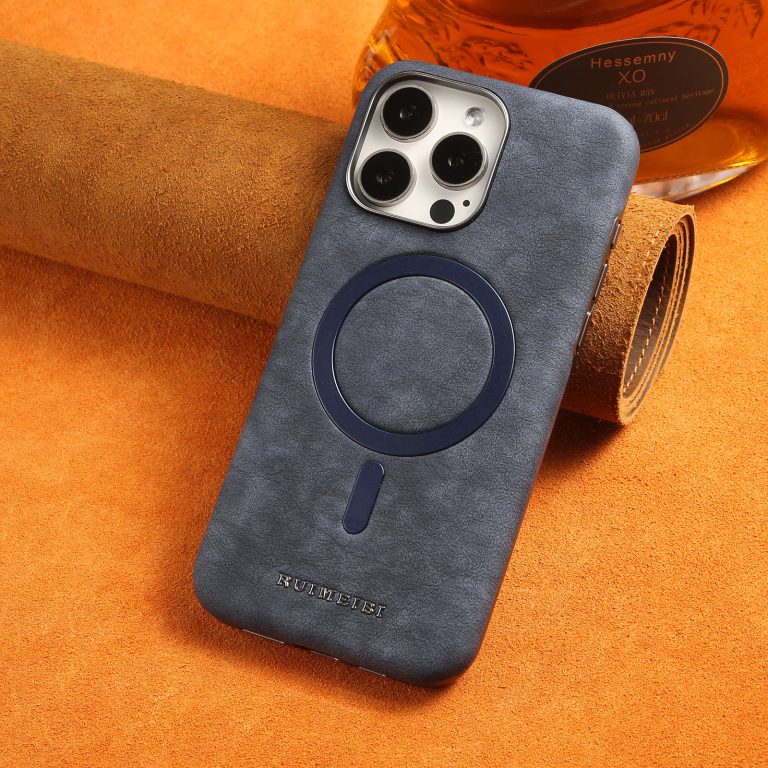
High-end cases earn their price in three situations. The first is a phone you plan to keep for years, because the longer the phone stays in service the more chances it has to fall. The second is a genuinely hostile routine: site work, cycling, hiking, a workshop, or a phone that rides in a bag with keys. The third is a specific material or feature you want every day, such as machined aluminium, full-grain leather, a modular mount system, or a sealed port cover. If none of those describe you, the extra spend buys looks rather than protection, and looks are a perfectly good reason to buy as long as you are honest about it.
How does your drop history set your budget?
Count your drops for a month. If the phone has hit the floor more than once, you are in the dual-layer band and should not shop below it. If it has never fallen, you can spend less and put the difference into a screen protector. A useful test is where the phone sits when you are not holding it: a pocket you bend into, a bag with hard objects, a car mount, a bathroom shelf. If the phone keeps disappearing rather than breaking, the fix is different, and our guide to stopping a phone from going missing covers that separately.

Should you spend more on a case or on a screen protector?
Split your budget toward whichever part is exposed. A case covers the back, the sides and the corners; a screen protector covers the glass you touch and look through. If your case has a raised lip, the screen is already partly protected and a modest protector is enough. A raised lip is also half of camera protection, and our notes on protecting a phone camera lens explain why the lens is the part that scratches first. The two work as a pair: a case without a protector leaves the most expensive surface bare, and a protector without a case leaves the corners and the camera exposed.
How do you avoid overpaying for a phone case?
Buy for your phone model, not for a trend. Check that the case is listed for your exact model, because a case cut for one size will not fit the next. Skip features you will not use, such as a belt clip, a card slot you never fill, or a magnetic ring you never attach anything to. Buy one case that matches your worst week rather than three that match your best. And check the shipping maths before you decide, because tracked shipping is free on orders over $49 while below that the rate is calculated at checkout, so a single case can cost more in postage than a second item would.
Frequently asked questions
- Is an expensive phone case actually better? Better materials and more layers usually mean better impact absorption, but only if the case fits your phone exactly and has a raised lip around the screen and the camera. Past the middle of the range you are often paying for leather, metal or branding rather than for more protection, so judge a case by its fit, its lip height and its liner rather than by what it costs.
- Can a cheap phone case damage my phone? A loose case lets grit in, and grit trapped between plastic and a metal frame acts like sandpaper on the finish. A very tight case can also trap heat during charging, and a case with a rough inner surface will mark the back over time. A well-fitted case at any price is safer than a poor fit at a high price.
- How often should I replace a phone case? Replace it when the shell cracks, when the liner has gone flat and shiny, when the corners have lost their shape, or when the case no longer grips the phone. A cracked case spreads impact poorly and can scratch the frame it is meant to protect. If you cannot remember when you bought it, check the corners first, because that is where wear shows.
- Do I need a different case for wireless charging? Thickness matters more than price. Very thick or metal-backed cases can block a wireless charging coil, and a magnetic ring helps the phone align with the charger. If charging stops or slows when the case is on, test the phone without the case to confirm that the case is the cause before you replace anything.
- Should I buy a case and a screen protector together? Buying them together is usually the cheapest way to cover both surfaces, and it avoids the mismatch where a protector is too thick for a tight case or a case lip lifts a protector edge. If you are ordering both, note that tracked shipping is free on orders over $49 and calculated at checkout below that.