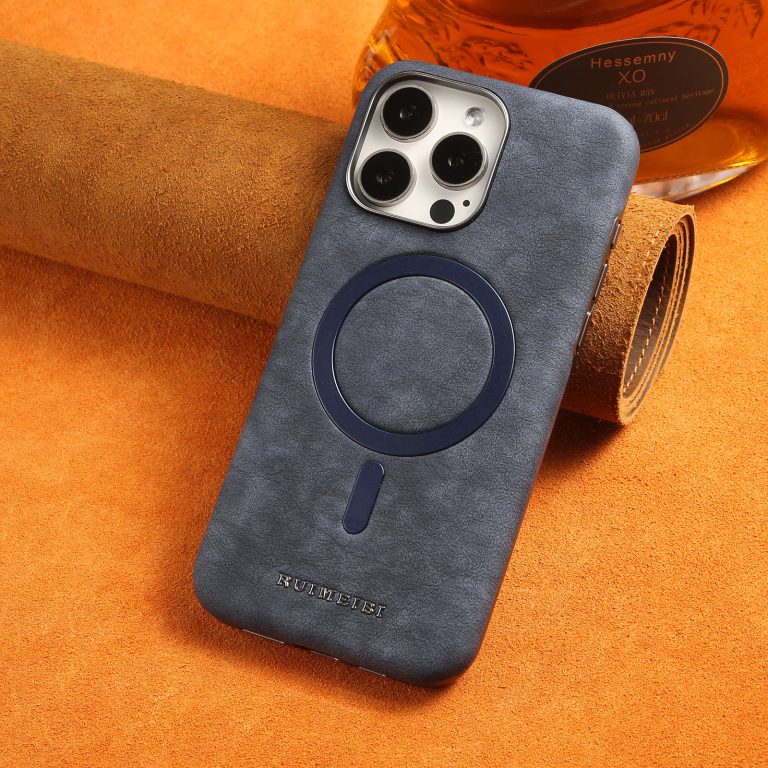
You stop losing your phone by giving it one fixed home and never putting it anywhere else. Phones go missing because they travel: to the car door pocket, the jacket that went in the wash, the cafe table, the changing room. Pick a single place the phone returns to every time, whether that is a front pocket, a bag pocket or a lanyard, and the losses stop. Everything below is about making that one place easy to keep.
- Give the phone one home and return it there every single time.
- Keep it in a zipped or fastened pocket, never a loose open one.
- Turn on location sharing and lock-screen contact details so a finder can reach you.
- A wrist strap or lanyard removes the transfer moment where most phones vanish.
Why do phones go missing in the first place?
Almost every lost phone was set down rather than stolen. You put it on a table while you paid, on a shelf while you tried something on, on the roof of a car while you loaded bags, or on a lap while you stood up. The phone does not move; you do. The second cause is transfer, moving the phone from pocket to bag to hand, where it drops into the gap between a seat and a door or stays in a coat that gets hung up. The third is a routine change, such as a new bag, a new jacket or a new commute, which breaks the habit you had built.

What is the single best habit to stop losing your phone?
Choose one pocket and use it for nothing else. If the phone always lives in the left front pocket, your hand learns the movement and you notice its absence within a step or two. Pair that with a rule: the phone does not get set down on any surface that is not your own desk or your own bedside table. When you must put it down in public, put it on top of something you will pick up anyway, such as your wallet, your keys or the receipt you are about to sign. Once the phone spends more time in a bag than in a pocket, the lens becomes the part that rubs first, which is why protecting a phone camera lens is worth reading alongside this.
Do phone cases with lanyards or wrist straps actually help?
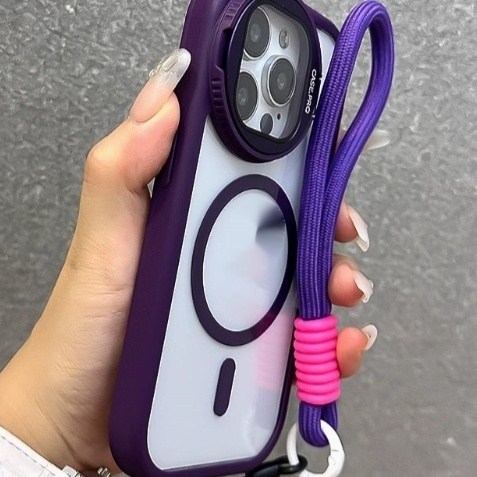
Yes, because they remove the transfer moment. Most phones are lost in the second between taking the phone out and putting it away, and a strap means the phone is never fully unattached from you. A wrist strap is enough for a phone you hold while walking. A crossbody lanyard is better for a phone you take out repeatedly on a commute. The trade-off is snagging, because a long strap can catch on a door handle or a chair back, so keep it short enough that it cannot reach a wheel or a moving part. A strap that clips to the case is more secure than one that loops through a soft opening, because the loop is the part that fails first.
How do you set up your phone so it can be found?
Do three things before you need them. Turn on location sharing with someone you trust, so a lost phone can be located from another device. Put a name and a second phone number on the lock screen, so an honest finder can call you without unlocking anything. Keep the phone’s own find-my feature switched on, with the account signed in. Check all three now, while the phone is in your hand, because none of them can be set up after the phone is gone. A locked phone with a contact number is far more likely to come back. Write the second number in a form a stranger can read at a glance, and keep it current, because a stale number is no help.

Which bag or pocket layout keeps a phone where you expect it?
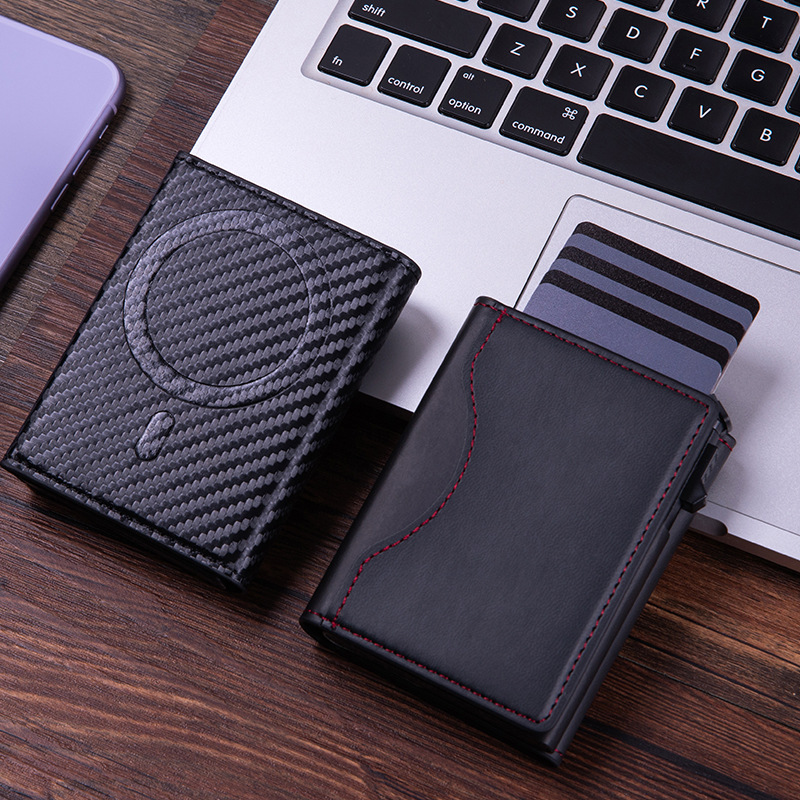
Depth and closure matter more than the bag itself. A phone in a shallow open tote slides out when the bag tips; a phone in a zipped internal pocket does not. Choose bags with a dedicated padded pocket, and use it for the phone only, so your hand knows exactly where to go. In clothing, a front pocket with a zip or a button beats a back pocket, which is both easier to lift from and easier to sit on. If you are deciding whether cards travel with the phone or beside it, our comparison of a wallet case and a phone pouch weighs up which single pocket everything should live in.
What should you do in the first ten minutes after you notice it is gone?
Retrace your last three stops in reverse and check the surfaces you touched, including counters, seats, car doors and changing rooms. Call the phone from another device, and if it is on silent, use the find-my feature to ring it anyway. If it is not in the first place you look, ask staff at the last two places you visited, because most found phones are handed in within the hour. Lock it remotely and change your account password if it does not turn up. If the phone was taken, do not chase anyone, because your safety matters more than the handset and the accounts can be secured from any browser.
Frequently asked questions
- Do phone lanyards really stop you losing your phone? They help most in the moment of transfer, which is where most phones are lost. A lanyard does not help if you leave the phone on a table and walk away, so pair it with a fixed pocket that you use every day. A wrist strap is enough for walking, and a crossbody lanyard suits a phone you take out repeatedly.
- Is it better to keep my phone in a bag or a pocket? A closed internal bag pocket is safest on a crowded commute, while a front clothing pocket is fastest to reach and stays on your body if the bag is set down. Whichever you pick, use the same one every day so you notice the phone’s absence immediately. Never use a back pocket or an open outer bag pocket for a phone.
- Can I find a lost phone if it is switched off? Usually not, because find-my features need the phone on and connected to a network. A lock-screen name and a backup number are the better bet once a phone is off, because they let a finder contact you directly. If the phone is on but silent, use the find-my ring feature, which sounds even in silent mode.
- What information should be on my lock screen? A first name and a second phone number or email address, and nothing more. Do not put your home address there, and do not use your full legal name if you would rather not be identified by a stranger. Some phones let you add a short medical note, which is worth doing if you have a condition a responder should know about.
- Should I insure my phone against loss? That depends on how you use it and how much the handset would cost to replace. Cover pays out the value of the phone, but it does not bring back photos or messages, so back up first and treat any cover as a second layer rather than the plan. Read what is excluded before you buy, because theft cover and accidental damage are often sold separately.