You protect a phone camera lens by keeping it off every hard surface and covering it with a raised lip or a dedicated lens protector. Camera glass scratches from the same things that scratch a screen, such as keys, coins and grit on a table, but the lens is far more exposed because it sits proud of the back. The fix is a case with a raised camera ring plus the habit of never laying the phone flat on its back.
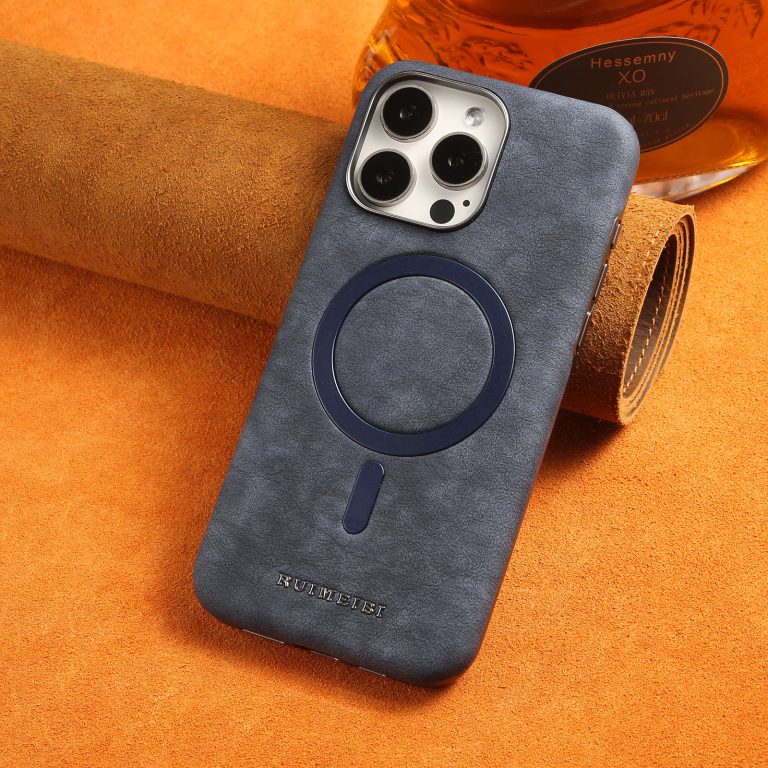
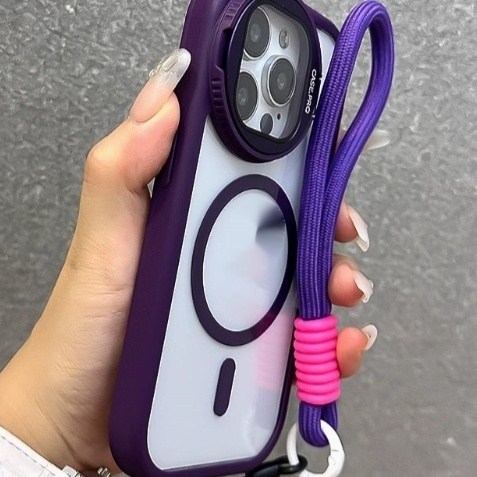
- Choose a case with a raised lip that stands proud of the camera island.
- Never lay the phone face up on a hard table, because grit under the lens scratches it.
- Add a dedicated lens protector only if your case sits flush with the lens.
- Clean the lens with a dry microfibre cloth only, never a shirt or a paper towel.
What actually damages a phone camera lens?
Three things, in order of frequency. The first is grit, because a phone laid on a table picks up sand or dust and every small slide drags it across the glass. The second is metal, meaning keys, coins and zips that share a pocket with a bare lens. The third is a direct impact, when the phone lands on its back and the lens takes the full weight of the fall. Coating wear is a fourth, slower problem, because oily fingers and repeated wiping with a rough cloth slowly dull the anti-reflective layer, which shows up as haze and flare in bright light.
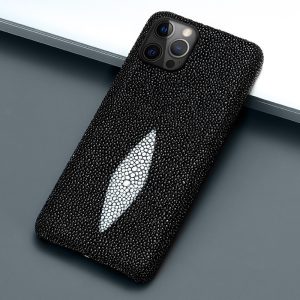
Does a raised camera lip on a case protect the lens?
Yes, and it is the single most effective thing you can do. A raised ring around the camera island means the phone rests on the case rather than on the glass, so a table cannot touch the lens and a flat drop lands on the ring instead. Look for a lip that clears the tallest lens by a visible margin, and check the corners too, because a phone often lands on a corner and rolls onto its back. A tight fit matters as much as the lip, since a loose case shifts under impact. A wallet case with a raised ring does the same job, and our comparison of a wallet case and a phone pouch shows how the two carry styles differ on that point.
Are stick-on camera lens protectors worth using?
They help when your case sits flush with the lens, and they are unnecessary when the case already has a tall ring. A lens protector is a thin sheet of tempered glass that takes scratches and impacts in place of the real lens. The trade-offs are real, because a cheap protector can add flare or a slight haze in night shots and can trap dust at its edge. If you use one, fit it carefully and check a night photo afterwards. If the image looks softer, or if there is a halo around lights, take it off and rely on the case lip instead.
How do you clean a camera lens without scratching it?
Use a dry microfibre cloth and nothing else for routine cleaning. Breathe on the lens lightly if a smudge will not lift, then wipe in one direction with a clean part of the cloth. Do not use a shirt, a paper towel or a tissue, because all three contain fibres that drag grit. Do not use household cleaner or alcohol on the lens coating. If grit is stuck, blow it off first with a blower or a puff of air, then wipe. Wiping grit across glass is how a lens gets its first scratch. Wash the cloth regularly too, because a cloth full of grit will scratch the coating it is meant to protect.
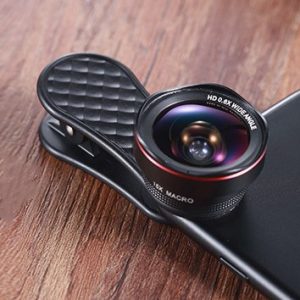
Where should you keep a phone so the lens is not rubbing on surfaces?
Keep the lens facing something soft. Face the phone down on a cloth, or better, put it in a pocket or a bag pocket where nothing hard shares the space. If you carry the phone loose in a bag, use a sleeve so keys and a charger cannot reach the camera. On a desk, set the phone on a stand or lean it against something rather than laying it flat on its back. On a crowded day the same habits that keep the phone in your hand also keep it from being taken, which is what keeping a phone secure in public is about.
When does a scratched lens need a repair rather than a cover?
A cover hides a scratch; it does not remove one. If photos show a soft spot, a streak, or flare around bright lights that was not there before, the lens glass itself is damaged and a protector will not fix it. Small marks on the outer glass sometimes polish out at a repair shop, and a cracked lens cover glass is usually replaced as a single part. Ask the shop to confirm which part they will replace before they start work. If your phone has taken water, or if the lens is loose in its housing, stop using it and take it to a qualified repairer.
Frequently asked questions
- Can a scratched camera lens be repaired? Sometimes. Light surface marks on the outer cover glass can be polished out at a repair shop, and a cracked cover glass is normally replaced as one part. Damage to the lens elements behind the glass usually means a camera module replacement, which is a workshop job rather than a home fix. If photos still show a soft spot afterwards, the module is the part at fault.
- Does a camera lens protector reduce photo quality? It can. A thin, well-fitted glass protector is usually invisible in daylight, but a thick or poorly fitted one can add flare and soften night shots. Test with a photo of a bright light source before you trust it, and take the protector off if you see a halo or a loss of contrast around the light.
- Should I put a lens protector on a phone with a raised camera ring? Usually not. If the case ring already clears the tallest lens, the protector adds flare risk without adding much protection. Save it for cases that sit flush with the glass, or for a bare phone you carry in a pocket with keys and coins. Check the ring height by laying the phone face down on a flat surface, because if it rocks on the ring and not the lens, you are already covered.
- How do I clean a lens with a fingerprint on it? Breathe gently on the glass, then wipe once with a clean microfibre cloth. Do not scrub in circles, because that spreads the oil rather than lifting it. Do not use alcohol, glass cleaner or a spectacle lens pen, since those can strip the anti-reflective coating that the lens depends on. If a smudge survives two passes, the cloth is dirty and should be washed.
- Is a camera lens covered by my phone warranty? Physical damage from a drop or a scratch is normally treated as accidental damage rather than a manufacturing fault, so it is usually excluded from a standard warranty. Check your own policy wording, and note that a raised-lip case costs far less than a lens or camera module repair. Keep the phone out of water as well, since liquid damage is excluded almost everywhere.