You keep a phone secure in public by making it hard to grab and hard to use once it is taken. That means holding it with a strap or a firm two-hand grip, keeping it out of sight when you are not using it, and locking it with a code plus a remote find-and-erase account. Nothing you buy removes the risk entirely, but those three habits cover almost every real snatch and theft.
- Hold the phone with a strap or a firm grip, never loosely at arm’s length.
- Keep it out of sight in a closed pocket or a zipped bag when it is not in use.
- Use a six-digit code, biometric unlock and a remote find-and-erase account.
- Never leave the phone on a cafe table or in an open bag pocket.
What makes a phone an easy target in public?
Visibility and grip. A phone held out at arm’s length, with the screen lit, tells everyone within sight exactly what you have and where it is. A loose one-hand hold near a door or a kerb gives a runner a clean line to it. The other factor is routine, because standing at the same corner at the same time and using the phone at the same bus stop every morning makes you predictable. Anyone looking for an easy phone reads routines. Anything that makes the phone less visible, or less predictable in your hand, moves you down the list. The safest posture is to put the phone away before you reach a crowd.
How do you hold your phone so it cannot be snatched?
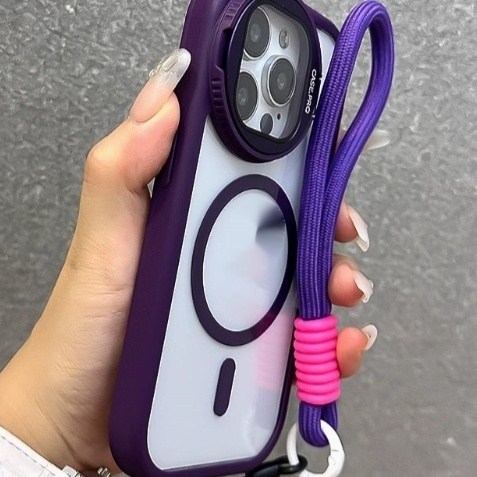
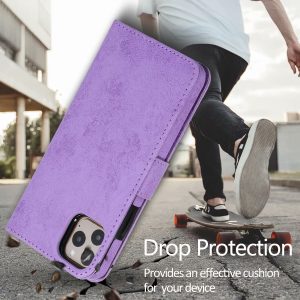
Keep the phone close to your body and never at the end of a straight arm. When you are using it while standing, hold it with both hands and tuck your elbows in, so the phone is over your chest rather than over the pavement. Use a wrist strap or a finger loop so the phone stays attached even if your grip is broken. When you are walking, put the phone away at kerbs and crossings, because that is where snatches from scooters and bicycles happen. If someone does grab it, let go, because a phone is replaceable. The glass you were looking at is the other half of the job, and installing a screen protector without bubbles keeps that surface intact.
Do privacy screens and screen locks really matter?
A screen lock matters a great deal; a privacy screen matters much less. A six-digit code with biometric unlock stops a casual thief from using the phone and makes it far harder to reset and resell. A privacy screen stops someone reading over your shoulder on a train, which is a real but smaller problem. Turn on a short auto-lock timer, a minute rather than five, so the phone is never sitting unlocked in a pocket. Make sure the lock screen does not show message previews to anyone standing nearby, since a visible code is as good as an open phone.
What should be in your phone settings before you go out?
Four settings. Turn on find-my-device and stay signed in, so you can locate or erase the phone from another device. Turn on a six-digit passcode and register a fingerprint or a face. Set the phone to require the passcode immediately rather than after a delay. Enable two-factor authentication on your main accounts, because a stolen phone in the wrong hands is mainly a risk to your email and banking apps rather than to the handset itself. Check all four today, while the phone is still in your hand. Write the passcode down nowhere, and if you share a household, make sure the recovery details are ones you control.
How do you keep a phone safe in a cafe or restaurant?
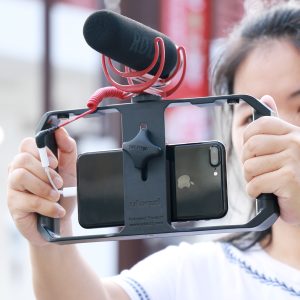
Keep the phone on your person, not on the table. A phone on a table is out of your hands and at the edge of your attention, which is exactly the condition a distraction thief looks for. If you must put it down, put it on top of something you will pick up, such as a wallet, a notebook or the bill, and keep it on the side of the table nearest the wall. In a busy place, hold the bag on your lap with the zip facing you rather than hanging it on the back of the chair. If you step outside to take a call, take the phone with you.
What do you do if someone grabs your phone?
Do not chase and do not fight. Move to a safe, well-lit place and use another device to lock the phone remotely and start an erase. Change the password on your main email account first, because that is the account that can reset everything else. Call your carrier to suspend the SIM so the number cannot be used for verification codes. Report it to the police with the phone’s identifiers, which you should have written down somewhere other than on the phone. If the phone comes back scratched, our guide to choosing between a rugged case and a slim case will help you decide what to put it in next.
Frequently asked questions
- Is it safer to keep my phone in my hand or my pocket? In your pocket or a closed bag. A phone in your hand is visible and only as secure as your grip, while a phone in a front pocket with a zip is invisible and needs a deliberate move to take. If you are using the phone while standing, hold it close to your chest with both hands.
- Do phone straps actually prevent theft? They help against a quick grab, because the phone stays attached when your grip is broken. They do not help against a determined thief who cuts the strap, so use a strap as a backup to a firm grip rather than as your only defence. A finger loop is less snag-prone than a long wrist strap, and a strap that attaches to the case is stronger than a soft loop.
- Can a stolen phone be unlocked easily? Not if it is locked with a strong passcode and a current operating system, because the data is encrypted and the phone is tied to your account. A locked, signed-in phone is far less useful to a thief, which is why remote lock and erase matter more than the model you own. Never reuse a short code such as a birthday.
- What should I do first if my phone is stolen? Lock it remotely, then change your email password, then suspend the SIM. Email comes first because it is the account that can reset everything else. Report the loss to the police once the accounts are secure, and keep a note of the phone’s identifiers somewhere other than on the phone itself. Do not chase a thief.
- Does a rugged case make a phone less likely to be stolen? Not directly, because a case does not stop someone taking it. It does help in two ways: a case with a wrist strap or a finger loop improves your grip, which is where snatches usually succeed, and a raised lip plus good corner protection limits the damage if the phone is knocked out of your hand.