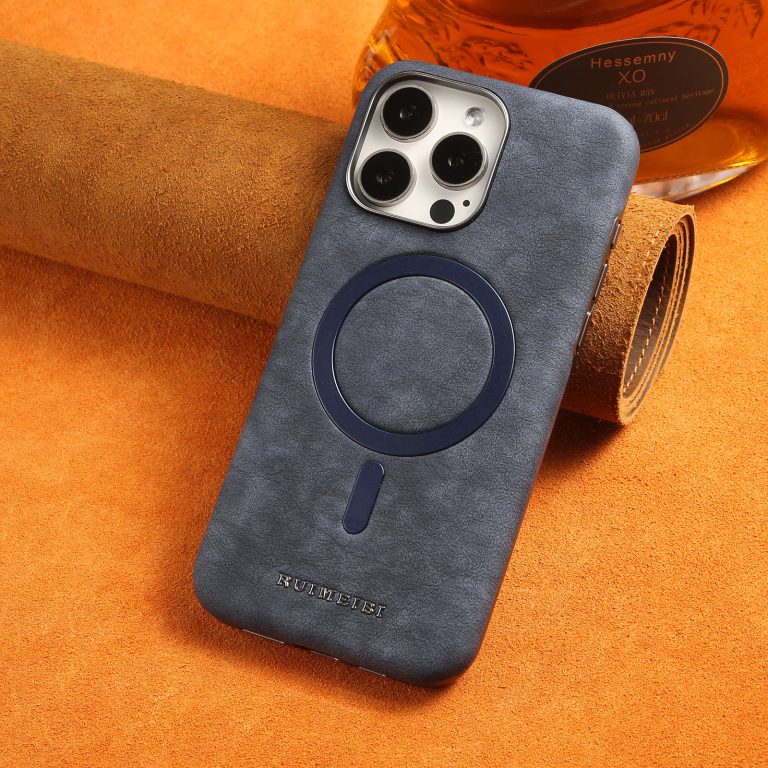
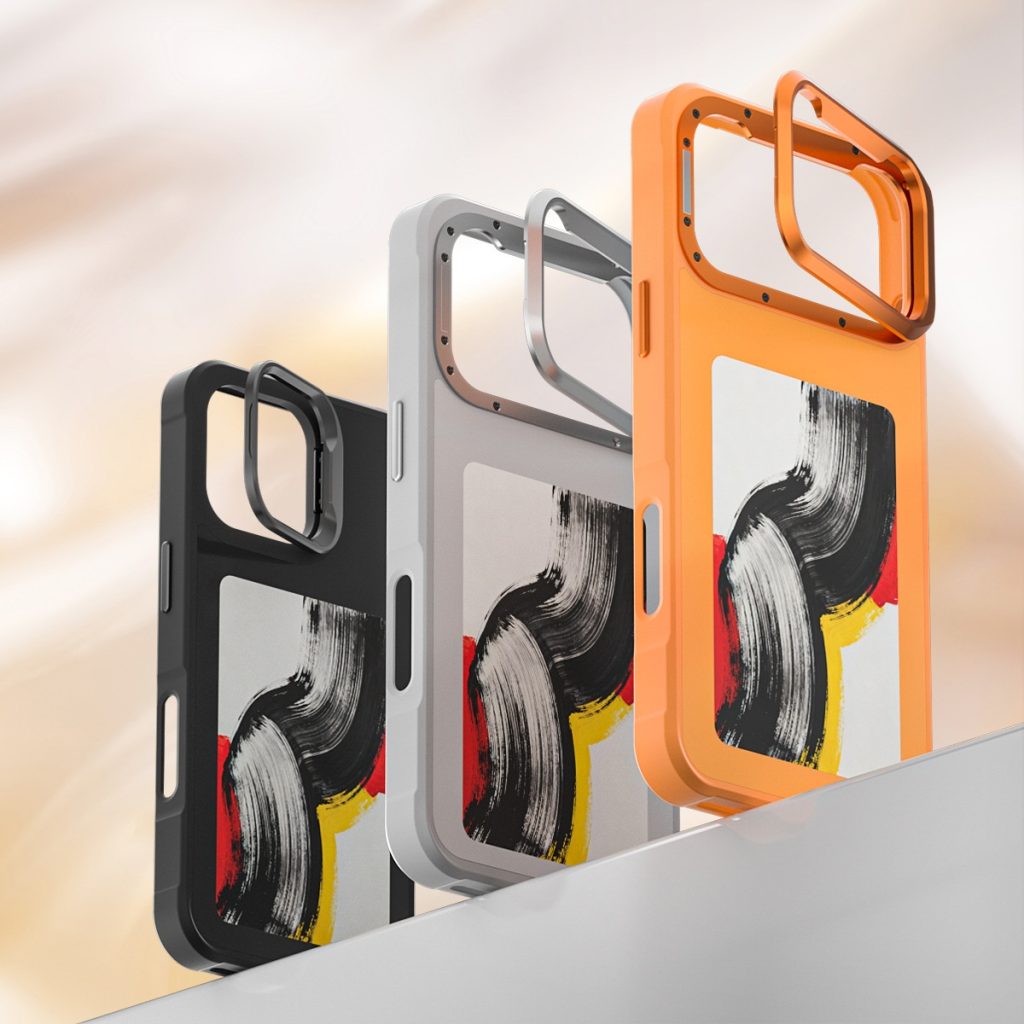
Choose a rugged case if your phone hits a hard floor more than once or twice a year, and a slim case if it mostly lives in a pocket or on a desk. The decision is not about taste, because it is about the surfaces your phone actually lands on and how often. Count your drops for a month, look at where they happen, and the choice usually makes itself.
- Count real drops over a month, and more than two hard falls points to a rugged case.
- Rugged cases add a shock liner and corner reinforcement; slim cases add grip and scratch cover.
- Slim cases suit desk, car and pocket use with only occasional low drops.
- If you are unsure, buy a mid-weight case with a raised lip rather than either extreme.
What counts as a drop when you are choosing a case?
Not every fall is equal. A phone sliding off a sofa onto carpet is not the same event as a phone knocked off a kitchen counter onto tile, and neither is the same as a phone falling out of a bike mount onto a road. When you count, count only the drops onto a hard surface from roughly waist height or above, because those are the ones a case has to survive. Then note how the phone landed: flat on its back, on a corner, or face down. Corner and face-down landings are the damaging ones, and they are the landings a case is really bought for.
What does a rugged case add that a slim case does not?
A rugged case adds three things. The first is a shock-absorbing liner, usually a softer inner layer that compresses on impact instead of passing the energy to the phone. The second is reinforced corners, which are thicker and often hollowed so they can flex. The third is depth, meaning a taller lip around the screen and camera and more material between the back glass and the world. A slim case adds grip and scratch resistance and keeps the phone thin, but it has little material to compress, so it relies on the phone’s own frame. Weight is the fourth difference, and you notice it every day.
How do you measure your own drop pattern?
Keep a note for four weeks. Write down each drop with the surface and the height, and mark whether the phone was in a case at the time. Most people find the pattern is concentrated in two or three places, such as getting out of a car, a kitchen counter, a gym locker or a bike mount. Those are the moments to design for. A case that survives your two worst spots is doing its job, while a case chosen for an average day that never happens is just weight. If your worst spots happen on a commute, the routines in phone safety on public transport matter as much as the case does.
When is a slim case the better choice?
A slim case is the better choice when the phone rarely leaves a controlled environment. If your day is a desk, a car with a mount and a bedside table, and your drops are occasional slides onto carpet, a rugged case adds bulk you will carry for years to cover an event that hardly happens. Slim cases also matter for people who use the phone one-handed, or who keep it in a tight front pocket, because thickness changes how the phone feels every single time you pick it up. Slim cases also suit people who use a tripod or a car mount, because a thick case can stop the phone seating properly.
Does a rugged case make a phone too bulky to use?
It changes how the phone handles, and that is a real cost. A rugged case widens the phone, so one-handed typing gets harder and some car mounts and bike mounts will not grip it. It also traps more heat during fast charging. The trade-off is worth it if the case is preventing damage you would otherwise have taken. If you find the bulk annoying enough that you take the case off, it is not protecting anything, and a mid-weight case you actually leave on beats a heavy case you do not. Check the listed thickness against your current case before you buy.
Can you switch between a rugged and a slim case?
You can, and plenty of people do. Keep a rugged case for travel, outdoor work, cycling and holidays, and a slim case for the office and evenings. The one thing to watch is the screen protector, because a case with a very tight lip can lift the edge of a protector fitted for a different case, and repeated swapping works grit under the edges. Choose a protector with a small margin and check the edges each time you change the case, and if a speck does work its way under the film, removing dust from under a screen protector explains how to lift it cleanly.
Frequently asked questions
- Is a rugged case worth it if I rarely drop my phone? Usually not. Rugged cases pay for themselves through drops you would otherwise take, and they cost you bulk every day. If your phone has never hit a hard floor, the bulk is a cost with no matching benefit, and a slim case with a raised lip covers the accidents you are actually likely to have.
- Do rugged cases actually protect against cracked screens? A good one reduces the chance by absorbing impact at the corners and holding the screen off flat surfaces when the phone lands on its back. It cannot make a phone unbreakable, and a direct hit on the glass from a hard edge can still crack it, so treat a case as risk reduction rather than a guarantee.
- Does a slim case protect the camera? Only if it has a raised ring around the camera island. Many slim cases sit flush with the lens, which leaves the glass exposed when the phone lies on its back on a table. Check the lip height before you buy by laying the phone face down and seeing whether it rocks on the ring.
- Can a rugged case affect my phone’s signal or charging? Thick cases can slow wireless charging because the coil has to work through more material, and cases containing metal plates can interfere with it more seriously. Cellular and Wi-Fi signal are rarely affected by a case. Heat builds up faster in a thick case during fast charging, so remove it if the phone gets noticeably warm.
- Which case is better for cycling or running? A rugged case with a secure mount, or a slim case inside a padded armband or pouch. Either way, the mount matters more than the case, because a phone that comes out of a mount falls from height and lands on a hard surface at speed. Check the mount’s locking mechanism before you ride.