Silicone, TPU and polycarbonate cases protect a phone in three different ways. Silicone is soft and grippy and absorbs shock by deforming, TPU is a flexible rubbery plastic that springs back, and polycarbonate is a hard shell that spreads impact across the whole back of the phone. There is no single winner, because each material is good at something the others are not. The right choice depends on how often you drop your phone, whether you want a case that still looks sharp after a year, and how often you swap it. Matching the material to how you actually use the phone matters far more than the price on the label.
- Silicone grips best and feels soft, but it collects pocket lint and can stretch at the corners over time.
- TPU is flexible, absorbs impact well and is the usual material for slim clear cases.
- Polycarbonate is rigid, holds its shape and resists scratches, but it transfers shock rather than absorbing it.
- Many good cases combine a soft TPU frame with a hard polycarbonate back to get both properties.
What is the difference between silicone, TPU and polycarbonate?
Silicone is a soft synthetic rubber. It is moulded into a sleeve that grips the hand, wipes clean and cushions a fall by deforming. TPU, or thermoplastic polyurethane, is a flexible plastic that sits between rubber and hard shell. It bends, springs back and can be made transparent. Polycarbonate is a rigid plastic, the same family used for tough eyewear lenses and luggage shells. It does not flex, so it spreads the energy of an impact across a wider area instead of concentrating it in one spot. Most cases on a shelf are not one material but a blend, and the label usually tells you which parts are which. Look for a case that names its frame and its back separately. The frame is usually the soft part and the back is usually the hard one.
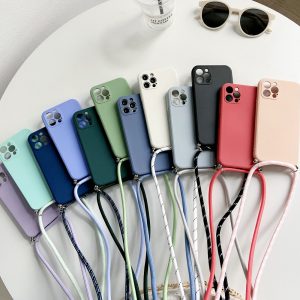
Which material protects best against drops?
For a single corner drop onto a hard floor, soft materials usually win. Silicone and TPU deform on contact, which lengthens the time the phone takes to stop and lowers the peak force the glass sees. Polycarbonate does the opposite: it stays rigid, so it protects the frame from scratches and spreading dents but passes more shock through to the device. That is why so many protective cases pair a TPU frame with a polycarbonate back panel. The frame absorbs the hit and the panel stops the phone flexing. A raised lip around the screen and around the camera matters as much as the material, because most damage happens on the face or the lens, not the back. Check both lips before you buy. A clear lip does more for drop protection than any material label.
Which case material stays looking new the longest?
Polycarbonate holds its finish longest. It resists scuffs, does not absorb oils from your hands and keeps its colour. Silicone feels lovely on day one and then shows its age: it picks up lint, attracts dust, and light colours can darken where your fingers rest. Clear TPU is the one to watch, because clear flexible plastic reacts with sunlight and skin oils and gradually shifts towards yellow. That shift is a surface effect rather than a fault, and it happens faster on inexpensive clear cases than on better ones. If you want a case that still looks deliberate after a year, choose a matte polycarbonate back or a dark TPU rather than a clear one. Wipe the case weekly with a soft damp cloth to slow the change.
Does case material affect wireless charging or signal?
Case material barely affects your signal, because phone antennas are designed to work through a case and none of these materials is metal. What does affect wireless charging is thickness. Every fraction of a millimetre between the charging coil and the pad reduces efficiency, and a thick rubbery case with a card slot in the back is the usual culprit. Polycarbonate shells are typically thinner than silicone sleeves, so they usually charge a little more reliably on a pad. If charging stops when the case goes on, the case is too thick or it has a metal plate in the wrong place. Take the case off and try again to confirm it is the case. If it charges fine without the case, choose a thinner one. Take the case off and test before you blame the charger.

Which material is best if you swap cases often?
Polycarbonate is the better choice if you change cases with your mood. A hard shell slides on and off without stretching, keeps its shape and does not pick up lint from your pocket between wears. Silicone stretches each time you peel it back, and over months the corners go slack and start to lift away from the phone. TPU sits in the middle: it flexes enough to fit easily and springs back, though very soft TPU can stretch permanently if you pull it hard at the corners. Whichever you pick, fit the case after you have set the phone up, so you are not wrestling with a brand new device while you are still moving your data across. A case that goes on easily is also easier to take off when you need to clean underneath it.
How do you choose between the three for your phone?
Start with how you use the phone rather than how the case looks. If you drop it often, take a TPU frame with a hard back and a raised lip. If it lives in a bag or a pocket with keys, polycarbonate resists scratches better. If grip matters more than anything, silicone or a textured TPU is the one. Then check the details: does the case cover the buttons cleanly, does the camera opening line up, and does the back sit flat on a table. A case that fits loosely will let grit in and will not protect the corners. Our guide to what actually changes charging speed explains why thickness matters if you charge wirelessly. A thin case charges better and feels lighter in the hand, which matters if you hold it for hours.
Frequently asked questions
- Is silicone or TPU better for a clear case? TPU. Clear silicone clouds and tears at the corners far sooner than clear TPU does, so TPU is the better long-term choice for a see-through case. A dark or tinted TPU lasts longer still than a fully clear one.
- Do hard polycarbonate cases scratch the phone? Only if grit gets between the case and the phone. Take the case off and wipe both surfaces occasionally so nothing abrasive is trapped. Wipe the inside of the case at the same time.
- Which material is best for a phone that gets hot? A hard polycarbonate back sheds heat better than a thick rubbery sleeve that holds warmth against the phone during charging. So does removing the case while the phone charges.
- Can I put a grip or a ring on any of these? Yes, but adhesive grips hold best on hard polycarbonate and least well on soft silicone, which releases the adhesive over time. Test the position on the case before you rely on it.
- Are two-material cases worth it? Usually yes. A soft frame with a hard back gives the drop protection of rubber and the rigidity of plastic in one case. They also add a little thickness to a slim phone.