
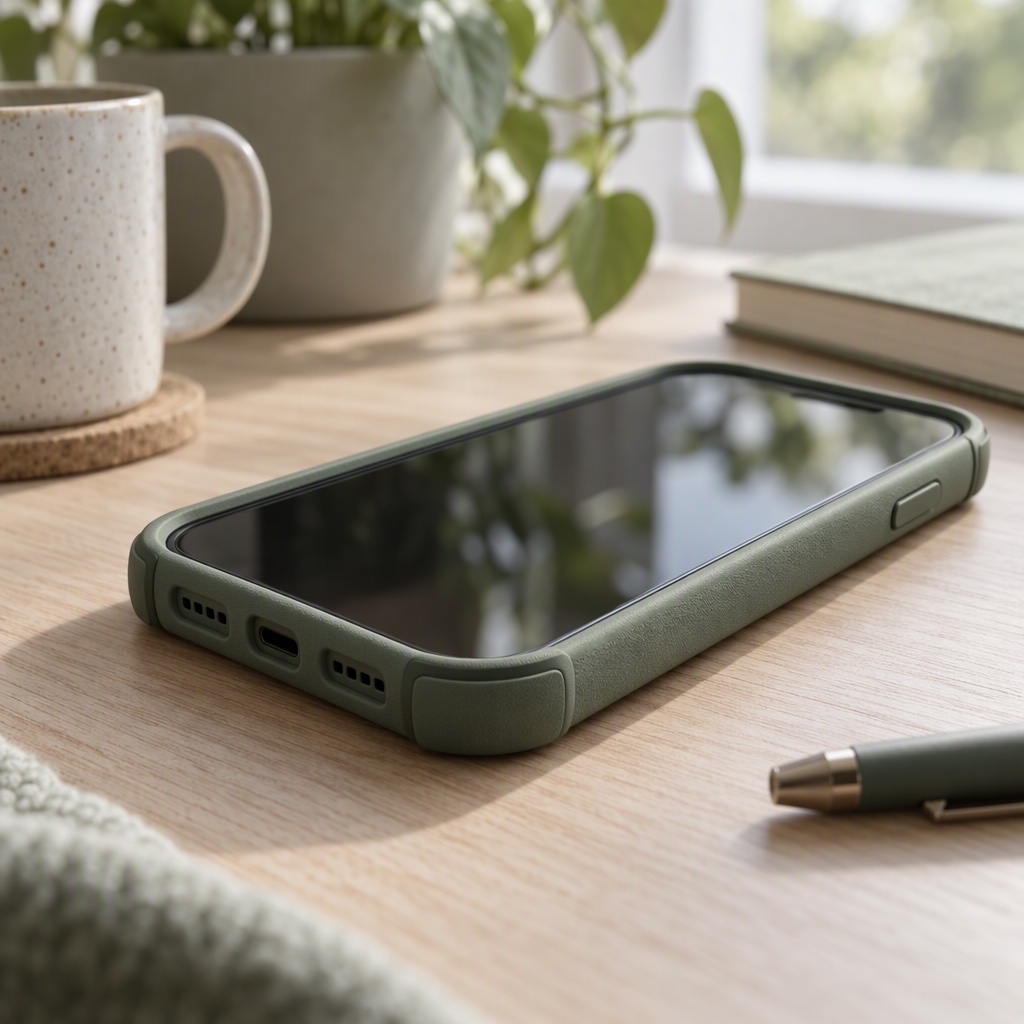
A case does hold some heat in, but it is rarely the main reason a phone gets hot. The bigger contributors are direct sunlight, a demanding app, and charging, all of which warm the phone from the outside in or the inside out. A thin case changes the picture very little; a thick, dark, or insulated one can make a warm phone stay warm for longer. The honest answer is that a case traps a little heat, and whether that matters depends on the material, the thickness, and what you are asking the phone to do.
- Every case holds a little warmth, but sunlight and heavy apps matter far more.
- Thick, dark, rubbery, or fully sealed cases hold the most heat.
- A thin case with an open or hard back sheds heat faster.
- If a phone runs hot, taking the case off while it charges is the quickest test.
Does a case actually make a phone run hotter?
Yes, but usually by a small amount. A phone sheds heat through its back and edges, and a case sits directly on both, so it slows that escape. The effect is modest with a thin case and more noticeable with a bulky one. What matters is the comparison: moving a phone out of direct sun or closing a heavy game changes its temperature far more than removing a slim case does. Think of a case as a light blanket rather than a lid. It does not generate heat, and it does not seal the phone in, but it does keep the warmth that the phone and the sun produce from leaving as quickly as it otherwise would.
Which case materials hold the most heat?
Materials differ in how well they conduct heat away from the phone. Silicone and thick rubber feel soft and grip well, but they insulate, so heat lingers. Hard polycarbonate and thin TPU pass heat through more readily, and a case with an open or vented back does better still. Leather sits in the middle: it is a natural material that breathes a little, but a padded leather case with a soft lining still traps warmth. Metal plates and magnets are a separate question, because metal can both spread heat and reflect sunlight. The colour of the outer shell matters too, since a black case absorbs more of the sun’s energy than a pale one. None of these differences is dramatic on its own, but they add up on a hot day. For a fuller comparison of the main materials and how each one behaves, our guide to silicone, TPU, and polycarbonate cases compared walks through the trade-offs in more detail.
When is a case helpful rather than harmful?
A case earns its place in most situations, and heat is only one factor. It absorbs impact, keeps grit away from the ports, and gives you something to grip. The heat trade-off is small compared with those benefits, which is why nobody sensible removes a case for everyday use. There is a narrow set of cases where the balance shifts: long video shoots in bright sun, hours of navigation on a dashboard, or gaming while charging. In those situations, a thinner case or a short break without the case can help. Our explanation of what actually helps when a phone overheats covers the same trade-offs from a different angle.
Does a case affect charging temperature?
It can, because charging already warms the phone and a case slows the heat from leaving. Wireless charging is the bigger concern, since the coils lose energy as heat and a thick case pushes the phone further from the pad, which makes the coil work harder. If you charge wirelessly with a chunky case, the phone will usually feel warmer than it does on a cable. Cable charging is more efficient and produces less heat, so a case matters less there. The practical fix is simple: charge with the case off when you can, or choose a case described as compatible with wireless charging, which is usually thin over the coil area. Never charge a phone that is already hot, whatever the case.
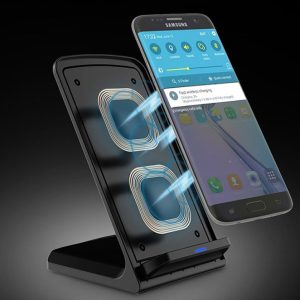
MagSafe & Charging — charger. Designed for everyday carry and backed by our 30-day happiness guarantee.
What about a case with a metal plate or ring?
A metal ring or plate inside a case is a mixed bag. Metal conducts heat well, so it can pull warmth away from the phone and spread it over a wider area, which sometimes helps. It also reflects and absorbs sunlight depending on its finish, and a dark metal plate in direct sun can add heat rather than remove it. The bigger issue is wireless charging, where a metal plate in the wrong place can block the coil or force the charger to work harder, which raises the temperature. If you use a magnetic ring holder with a wireless pad, check that the ring sits clear of the coil. A magnetic ring cover that positions the magnet correctly avoids most of this trouble.
How can you tell whether your case is the problem?
Run a simple test. Note how warm the phone feels during a normal task, then repeat the same task with the case off. If the phone stays noticeably cooler without the case, the case is holding heat in, and a thinner or better-vented option may suit you. If the temperature barely changes, the case is not the issue and you should look at sunlight, apps, or charging instead. You can also feel the back of the case after ten minutes of video: a case that is hot to the touch in the middle is trapping heat right over the processor. This kind of test costs nothing and tells you more than any marketing claim.
Frequently asked questions
- Should I take my case off to let the phone cool? It can help, especially if the case is thick or made of silicone. Removing it gives the back of the phone open air, which speeds cooling. Put the phone in the shade at the same time, since airflow alone will not beat direct sun.
- Do clear cases run hotter than colored ones? Clear cases are often made of hard plastic that passes heat reasonably well, and they reflect more sunlight than a black case. The thickness of the case usually matters more than whether it is clear.
- Is a heat-dissipating case worth buying? If you regularly shoot video or navigate in the sun, a case designed to spread heat can make a modest difference. For ordinary use, a thin case and sensible habits matter more than any special cooling feature.
- Can a case cause permanent heat damage? The case itself cannot damage a phone. It only slows cooling, and a phone that is already too hot will warn you or slow down. Removing the case and moving into shade is enough to bring it back to normal.
- Does a case trap heat while the phone is in a bag? Yes, and a bag is the bigger problem. A phone in a closed bag with no airflow will stay warm whatever case it wears, so choose an outer pocket and give the phone some air.


