
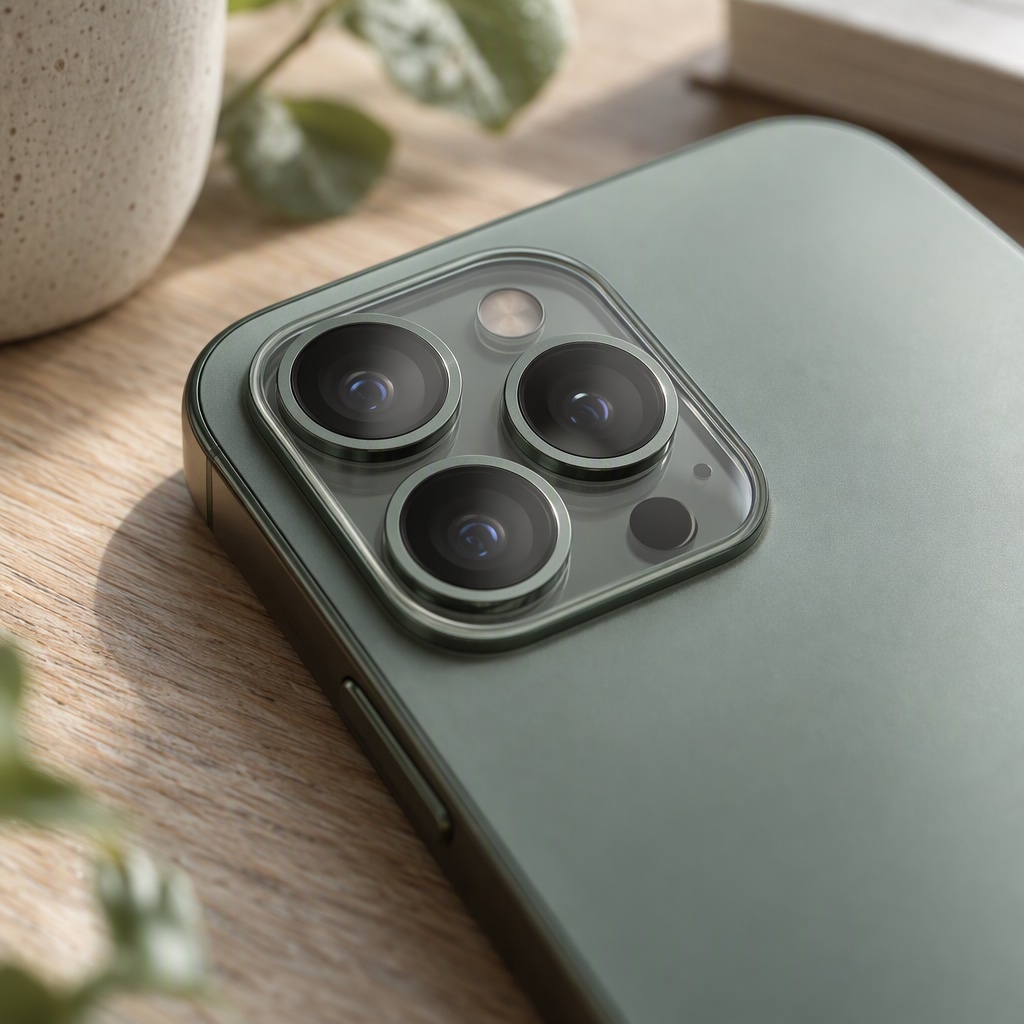
If you have ever bought a clip-on lens only to find it will not sit flat on your phone, you already know the problem. The case you use changes the shape of the camera area, and most lenses are designed around a bare phone. A case with a raised camera lip can push a clip out of alignment, and a thick case can stop a magnetic lens from seating at all. The fix is to choose the lens and the case together rather than one after the other, and to measure before you buy rather than hoping the fit works out.
- Measure the camera opening on the case, not just the phone.
- A raised camera lip is the most common reason a lens will not sit flat.
- Magnetic lenses need a compatible case or a magnetic ring.
- Test the fit before you rely on it for an important shoot.
Why does the case decide which lens fits?
A lens has to line up exactly with the phone’s camera, because even a small offset throws the framing off and softens the edges of the photo. When you add a case, you add a layer between the lens and the phone, and that layer changes two things: the depth and the width of the camera opening. A raised lip around the camera, which is there to protect the lens glass, lifts the clip away from the phone and can leave it sitting at an angle. A narrow opening can stop a larger lens from reaching the phone at all. This is why the same lens can work perfectly on one phone and refuse to sit straight on another with a different case. The case is not an accessory to the lens; it is part of the fit.
How do you measure the camera opening?
Measuring is simpler than it sounds, and it saves a lot of guesswork. With the case fitted, use a ruler to note the width and height of the opening around the camera, and the depth from the top of the case down to the phone’s surface. Compare those numbers with the size and clearance the lens needs, which is usually listed with the product. A lens that is wider than the opening will not fit, and a lens that needs to sit flush will struggle if the case has a raised rim. If you cannot measure precisely, take a photo of the camera area with the case on and check whether the lens would have room. It is also worth checking that the lens does not cover a flash or a microphone, since that causes problems you only notice later.
Do clip-on lenses still make sense?
Clip-on lenses are a useful, affordable way to add a wide or macro view without buying a new phone, and they remain a good option if you want something you can remove quickly. Their weakness is exactly the fit problem above: a clip depends on the phone’s edges being accessible, and a case can get in the way. If you plan to use a clip-on lens often, choose a case with a flat, wide camera area rather than a heavily raised one. A clip that sits at an angle will not just soften photos; it can also slip off at the wrong moment. For occasional use, a clip-on lens is fine, but if you shoot wide or macro regularly, a case designed to work with a lens is a more stable arrangement. Our guide to choosing a case for wide-angle photography covers this in more depth.
What about lens protectors under a case?
A lens protector is a thin film or glass cover that sits over the camera glass, and it interacts with the case in the same way a lens does. If the case has a raised camera lip, the protector sits inside that recess and is usually fine, but a protector that is slightly too thick can stop the case from seating properly or catch on the lip when you fit it. The main thing to watch is alignment: a protector that is off-center can cover part of the lens and leave a soft edge on every photo. Choose a protector cut for your exact phone model, fit it carefully on a clean surface, and check that the case still sits flush afterward. A well-fitted protector adds real protection against scratches without affecting image quality much, but a poorly fitted one causes problems on every shot.
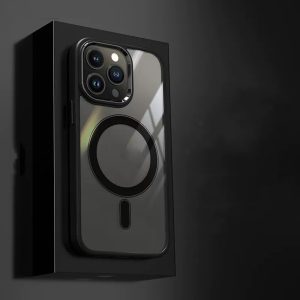
iPhone Cases in Transparent. Designed for everyday carry and backed by our 30-day happiness guarantee.
How do you test the fit before you buy?
Testing before you commit is the best way to avoid a lens that never quite works. If you can, look at the case and lens dimensions together and check the camera clearance, which is the number most often overlooked. Read the product description for any note about raised camera areas, because a lens maker will usually warn you if a lip causes problems. Where possible, buy from a seller that allows returns, so an ill-fitting combination can be swapped rather than kept. When the items arrive, fit them and take a few test photos in good light before you rely on them for something important. Check the corners of the frame for softness and the center for sharpness, because an off-center lens shows up as a blurry edge more than a blurry middle.
What should you check before ordering?
Before you order, confirm three things: that the case is made for your exact phone model, that the camera opening is wide and flat enough for the lens you want, and that any magnetic parts are compatible with each other. If you use wireless charging, check that the case does not block the coil, since some lens-ready cases add material around the back. Look at the returns window as well, because camera accessories are easy to get slightly wrong, and having the option to swap is worth more than saving a little on a final-sale item. Standard tracked delivery takes ten to twenty business days, orders over thirty-five dollars ship free, and there is a thirty-day returns window. If scratches are your main worry, see how to protect a phone camera lens.
Frequently asked questions
- Will a clip-on lens work with any case? No. A case with a raised or narrow camera opening can stop the clip from sitting flat. Choose a case with a wide, flat camera area for lens use.
- Does a lens protector affect photo quality? A clean, well-fitted protector has little visible effect. A thick or off-center one can soften edges and catch the light, so fit it carefully.
- How do I know if a lens is aligned correctly? Take a test photo and check the edges. An off-center lens usually shows soft or dark corners rather than a blurry center.
- Can I use a magnetic lens with a magnetic case? Only if the two are designed to work together. Magnetic attachments need matching rings, so check compatibility before buying.
- How long does delivery take? Standard tracked delivery takes ten to twenty business days, and orders over thirty-five dollars ship free with a thirty-day returns window.


