
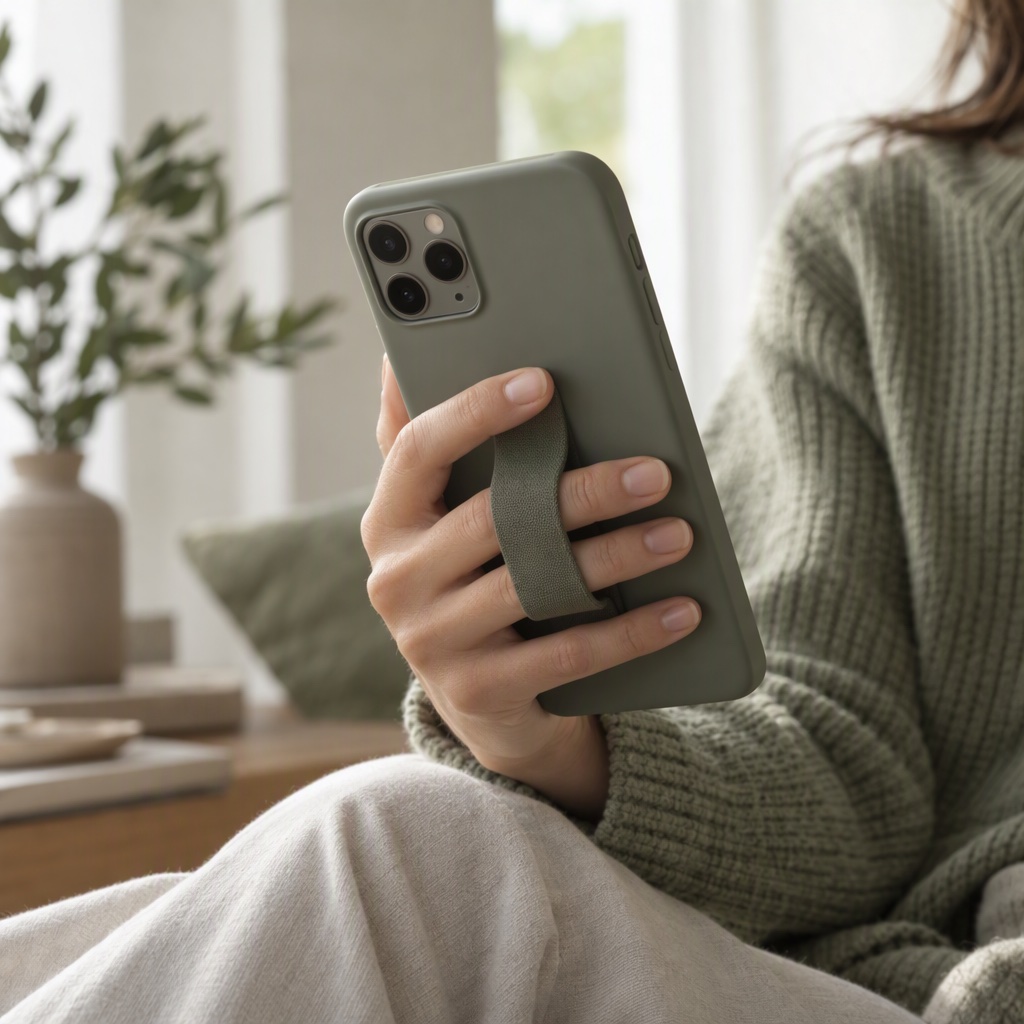
Running with a phone comes down to one question: how do you carry it without it bouncing, chafing or flying out of your hand? An armband is the classic answer, and for most runners it is still the best one, because it holds the phone tight against your upper arm and leaves both hands free. If an armband rubs or feels awkward, a running belt, a grip case or a slim waist pouch are all solid alternatives. The right choice depends on how long you run, what you wear and whether you need to see the screen while you move.
- An armband keeps the phone secure on your upper arm and your hands free.
- A running belt or waist pouch sits flatter and suits longer distances.
- A grip or strap helps if you prefer to hold the phone in your hand.
- Whichever you choose, the phone must not bounce, shift or rub against your skin.
Is an armband the best way to run with a phone?
For most runners, yes. An armband holds the phone flat against your upper arm, which keeps it close to your body so it moves with you rather than swinging. That means less bounce, no hand fatigue and both arms free for a natural stride. The key is fit: a band that is too loose will slide down, and one that is too tight will pinch and leave marks. Look for a band with adjustable straps, a soft sweat-friendly backing and a sleeve that matches your phone size. If you run with a larger phone, check the fit before you buy, and test the band on a short run before you trust it for a long one. Comfort is everything when you are miles from home, so get this right early rather than on race day.
What if an armband rubs or feels uncomfortable?
Armbands are not for everyone. Some people find that the strap digs in, that the band shifts once they sweat, or that the phone presses against their arm in an odd spot. If that sounds familiar, try a running belt instead. A belt sits around your waist, holds the phone flat against your lower back or hip and usually carries a key and a card as well. A slim waist pouch works in much the same way. If you would rather hold the phone, a grip or a strap on the back of the case gives your fingers something to hook around. Try a few options on short runs before you settle on one. There is a fuller comparison in our guide to phone straps and lanyards.
Do I need a waterproof or sweat-proof setup?
Any holder you run with needs to cope with sweat, and that is a bigger deal than most people expect. Sweat is salty and slightly acidic, and it will slowly damage a case that lets it sit against the phone. Look for a holder with a wipe-clean or machine-washable surface and a design that lets a little air reach the phone. A water-resistant case adds useful protection against rain, and a sealed case is worth considering if you run in heavy weather. Keep an eye on the charging port and speaker openings, because those are where moisture gets in. If you can, choose a holder that keeps the port covered while you run, and one you can rinse at the end of the week.
Can I still see the screen while I run?
Yes, if you place the holder correctly. An armband puts the screen on the outside of your upper arm, which is easy to glance at without breaking stride. A waist belt usually hides the screen, so you will need to slow down or stop if you want to check a map or read a message. A wrist holder is the compromise: it keeps the phone visible but adds weight to your arm. Whatever you choose, set up your route, your music and your tracking app before you start, so you are not fiddling with the screen mid-run. Voice prompts and audio cues are always safer than looking down while you move. If you must check something, step to the side and stop for a moment.
Grips & Ring Holders — holder. Designed for everyday carry and backed by our 30-day happiness guarantee.
How tight should an armband be?
Snug, not tight. The phone should not be able to slide around inside the sleeve, and the band should not leave deep marks or cut off circulation. A good rule is that you can slide one finger under the strap without effort. Check the fit before every run, because straps stretch over time and sweat makes them slicker. If the band slips, tighten it by a notch rather than pulling it as hard as it will go. Bands with a wide, flat strap spread the pressure better than thin elastic ones. It should feel firm on the first mile and still comfortable on the last. If you feel tingling or numbness in your fingers, stop and loosen the band immediately. A phone is never worth an injury.
What should I look for when buying a running holder?
Start with fit for your exact phone size, because a loose sleeve defeats the whole purpose. Look for a holder with adjustable straps, a soft backing that will not chafe, and a surface that wipes clean. A reflective detail is genuinely useful if you run early or late in the day. Check that you can reach the buttons and the charging port through the holder, and that it does not cover the camera. If you carry keys, a card or a key fob, a belt with a small pocket saves you from juggling. A holder that is quick to put on and take off will get used more often. Finally, buy something you can wash, and see our guide to carrying a phone without a bag for the wider options.
Frequently asked questions
- Can I run with my phone in my hand? You can, but it changes your arm swing and raises the risk of dropping it. A grip or strap makes it safer if you prefer to hold it, while a belt or armband is better for longer runs.
- Will an armband fit a phone in a case? Sometimes. A thick or rugged case may not slide into a slim sleeve. Measure the phone with the case on before you buy, or choose a holder that states a wider fit.
- Does running damage my phone? The phone itself is usually fine. The real risks are drops, sweat in the openings and heat from being pressed against your body on a warm day. Keeping the ports covered and the phone ventilated helps.
- Should I use a waterproof case for running? A water-resistant case is usually enough. A sealed case helps if you run in heavy rain or near water, though it adds bulk and can trap heat against the phone.
- How do I stop my phone from overheating while running? Do not trap it under a tight sleeve against your skin for too long. Choose a holder with some airflow, avoid direct sun, and let the phone cool in the shade before you charge it.


