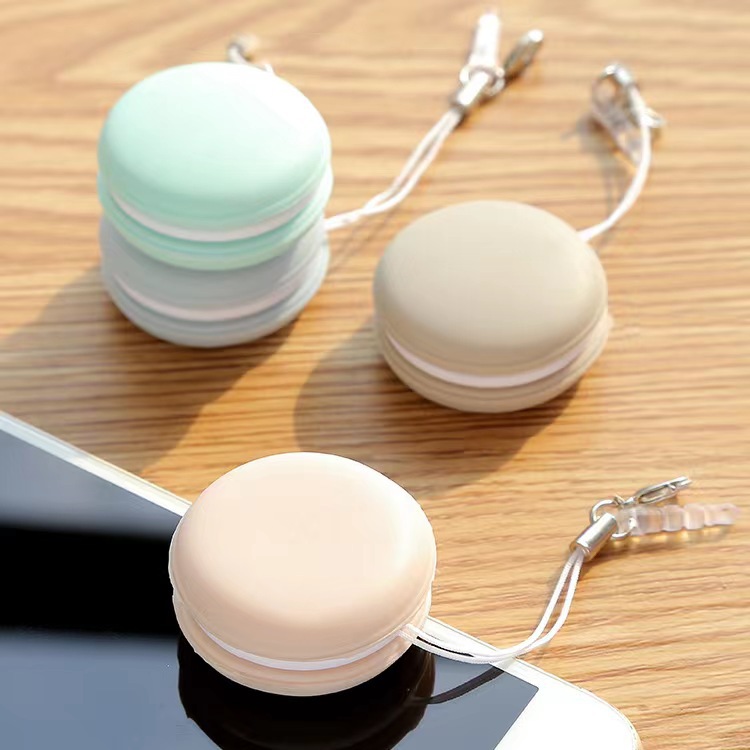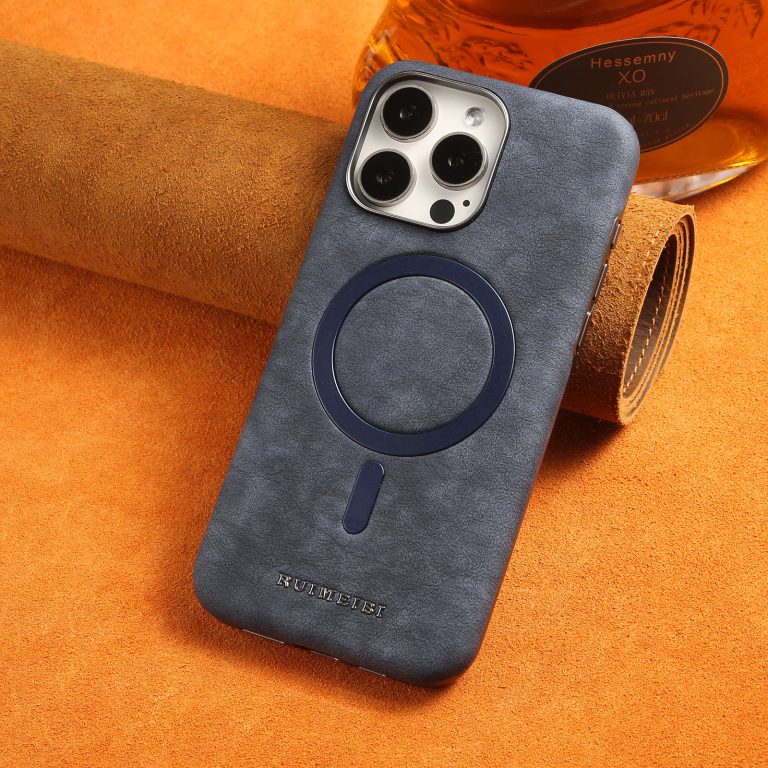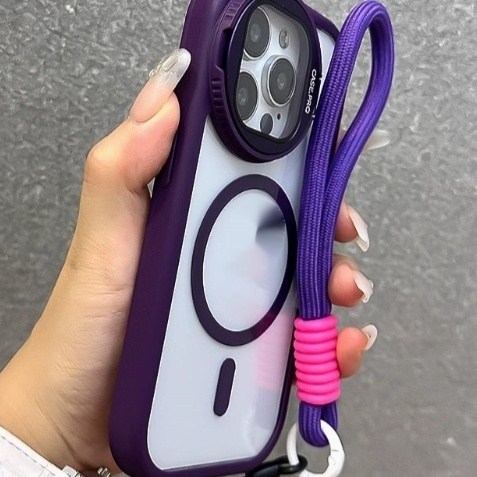
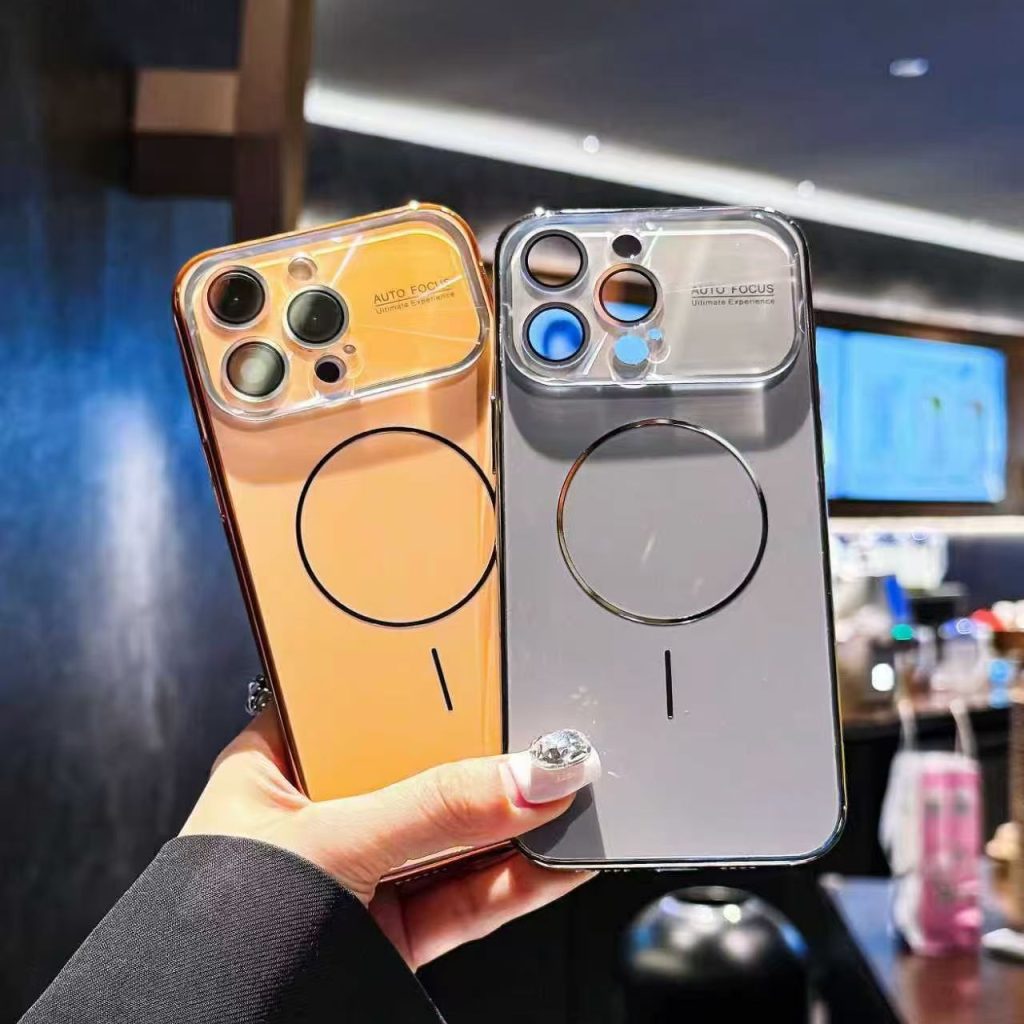
You can carry a phone without a bag in four ways: a pocket, a belt holster, a pouch on a strap, or a wrist or finger strap attached to the case. Each one solves a different problem. A pocket is fastest and needs no extra gear, a holster keeps the phone clear of everything else, a pouch carries a card or two as well, and a strap keeps the phone attached to you so it cannot be dropped or left behind. Pick the one that matches how often you reach for the phone.
- Use a dedicated pocket with nothing else in it if you want the simplest option.
- A belt holster keeps the phone off your leg and away from keys and coins.
- A pouch on a strap carries a phone and one or two cards without occupying a hand.
- A wrist or finger strap stops drops but does not protect the screen from a fall.
Where can you carry a phone when you have no bag?
You have four realistic options: a pocket, a belt holster, a crossbody pouch and a strap fixed to the case. A pocket is the default and costs nothing, but it shares space with keys and coins unless you keep it clear. A belt holster clips to a waistband and holds the phone upright and separate, which suits work trousers with shallow pockets. A crossbody pouch puts the phone across your chest, away from your leg and out of easy reach of a pickpocket, and it usually holds a card or two. A wrist strap or finger loop keeps the phone physically attached to your hand. Choose based on how often you need the phone, not on which option looks best on paper.
Is a pocket safe for a phone?
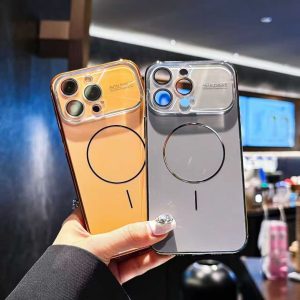
A pocket is safe if it is used properly. Put the phone in alone, screen facing your leg, and nothing else in that pocket. Keys, coins and a lighter will scratch the glass and the camera lens, and grit in the pocket lining does the same damage more slowly over weeks. Deep pockets are better than shallow ones, because a phone sitting half out of a shallow pocket falls when you sit down or step into a car. A case with a raised lip and a textured back reduces sliding. In cold weather, be careful with jackets, because a phone in an outer pocket is easy to leave behind and easy to knock against a door frame or a chair. Empty the pocket regularly.
How does a phone pouch or holster work for bag-free carry?
A pouch is a small soft case on a strap or a belt loop, sized for a phone and a card or two. It keeps the phone upright, protects the screen from keys and coins and adds a layer against rain and grit. A holster is a rigid clip-on shell, usually worn on a belt, that holds the phone with the screen facing inward. Holsters are fast to use because the phone slides out one-handed, and they keep the device off your leg in warm weather. Pouches are quieter and less obviously a phone holder, which some people prefer. Both solve the same problem, which is keeping the phone separate from everything else in your pockets. A what a raised screen lip does is what makes either of them work.
What about a wrist strap or finger loop?
A wrist strap or finger loop attaches to the case and keeps the phone tethered to your hand. That solves the most common accident, which is a phone slipping out of a loose grip while you are walking, taking a photo or reaching for something else. A finger loop also lets you hold a large phone one-handed without gripping hard, which reduces hand fatigue on long calls. The catch is that a strap does not protect the screen from a face-down drop, and it can catch on door handles, chair arms and shopping trolleys. If you use one, choose a case with a proper anchor point rather than a stick-on pad, because adhesive fails with heat and time. Treat a strap as drop prevention, not as a case.
How do you carry a phone and cards together without a bag?
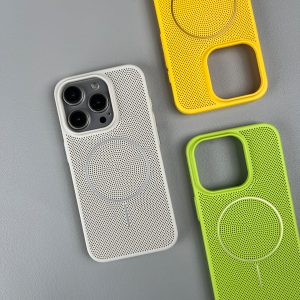
Use a case with an integrated card slot, or a pouch sized for a phone and two cards. A card slot built into the case keeps everything in one object, and it works well for contactless payment and a transit card. The limit is thickness: three cards is usually the point where a slot case stops sitting flat, and a slot that faces the screen means the card rubs the glass every time you close it. A pouch with its own card compartment avoids that friction entirely. If you carry more than two cards plus a phone, a slim wallet in a jacket pocket is a better answer than forcing everything into one case, and if you also want accessories to snap on, it is worth reading whether MagSafe cases are worth it before you choose.
What should you avoid when carrying a phone without a bag?
Avoid a pocket shared with keys, coins or a pen, because those are the items that scratch glass. Avoid back pockets entirely, because sitting on a phone flexes it and puts pressure on the screen and the battery, and a back pocket is the easiest place to be pickpocketed. Avoid open-top pockets on a bicycle, where the phone leaves without you noticing. Avoid hanging a phone from a lanyard around your neck during sport, where it swings and strikes your chest. Avoid using a pouch so full that it will not close flat. Finally, avoid the habit of setting the phone down on a table or a counter, because that is how most phones are lost rather than broken.
Frequently asked questions
- Can I carry a phone in a back pocket at all? It is best avoided. Sitting on a phone applies pressure to the display and the battery and flexes the frame, and a back pocket is the easiest place for a phone to be taken without you noticing.
- Is a holster or a pouch better for work? A holster is faster to use one-handed and holds the phone rigidly, which suits physical work. A pouch is quieter and less obvious, and it carries a card or two, which suits an office or a commute.
- What if my pockets are too shallow for a phone? Use a belt pouch or a crossbody pouch rather than a shallow pocket, because a phone that sits half out of a pocket falls as soon as you sit down or step into a car.
- Does a strap replace the need for a case? No. A strap prevents a drop from a loose grip but does nothing for the screen if the phone does land face down. Use a case with reinforced corners and a raised lip as well.
- Do you ship these items with tracking? Yes. Tracked shipping is free on orders over $49 with baskets up to 1.25 kg, tracked delivery takes 10 to 20 business days, and below $49 shipping is calculated at checkout.