A raised screen lip is the small ridge of case material that sits higher than the glass, usually by one to two millimetres. It matters because most screen breaks happen when a phone lands flat and face down. With a lip, the case contacts the surface first and the glass never does. Without one, the screen takes the full impact on every face-down drop and collects scratches from tables and counters even when the phone is never dropped at all.
- A raised lip holds the glass off flat surfaces so the case contacts first.
- One to two millimetres is usually enough, while taller lips can block edge gestures.
- A lip still helps with a screen protector because it shields the protector’s edges.
- Check the lip around the whole screen, including the corners, and not just the top and bottom.
What exactly is a raised screen lip?
A raised screen lip is the rim of the case that stands above the level of the screen glass. On most cases it runs around the whole front edge, and you can feel it by running a fingernail from the case edge inward until it drops onto the glass. The lip exists because phones are designed to be thin and flat, which means the glass is the highest point on the device. Anything that raises a barrier around that glass changes where a drop lands. Lips also keep the screen off a desk, a cafe table or a kitchen counter, which is where most scratches come from. Some cases have a lip only at the top and bottom, which leaves the corners exposed.
How much lip height does a phone actually need?
One to two millimetres is the practical range. At one millimetre the case clears a flat table, but a raised surface such as a pebble, a tile grout line or a stone edge can still reach the glass. At two millimetres the phone is well clear of normal surfaces without the lip becoming intrusive. Beyond about three millimetres the lip starts to interfere: edge swipes feel blocked, typing on the bottom row of the keyboard gets awkward, and the phone sits noticeably proud in your hand. The right height also depends on your screen protector, because a protector adds a fraction of a millimetre to the glass and eats into the lip. If the lip ends up level with the protector, you have lost the benefit.
Does a screen lip matter if you use a screen protector?
Yes, and for two reasons. First, a protector covers the flat face of the screen but not its edges, and the edges are where chips begin. A raised lip shields those edges from the side impacts that crack a protector or lift it at one corner. Second, a protector that ends slightly short of the case, or lifts because the case presses on its edge, is a protector that peels. A lip sitting just above the protector holds it in place and stops the case from levering it up. So a lip and a protector work together rather than replacing each other. If you fit a protector, re-check the lip afterwards, because the gap will be smaller than before. The same logic applies to magnetic accessories, and whether a MagSafe case is worth it explains what changes.
Does a raised lip interfere with swiping or typing?
It can, if the lip is too tall or too sharp. Modern phones use edge gestures for back navigation, and a tall lip makes that swipe feel as though it is catching. Typing on the bottom row of the keyboard can also feel cramped when the lip is high. The fix is a lip with a chamfered or rounded inner edge, which guides your finger upward instead of blocking it, and a height that stays around one to two millimetres. Some cases taper the lip so it is tallest at the top and bottom of the screen and almost flush along the sides, which preserves edge gestures. If a case feels awkward to swipe on in the first week, it will keep feeling awkward.
Do camera bumps need a raised lip too?
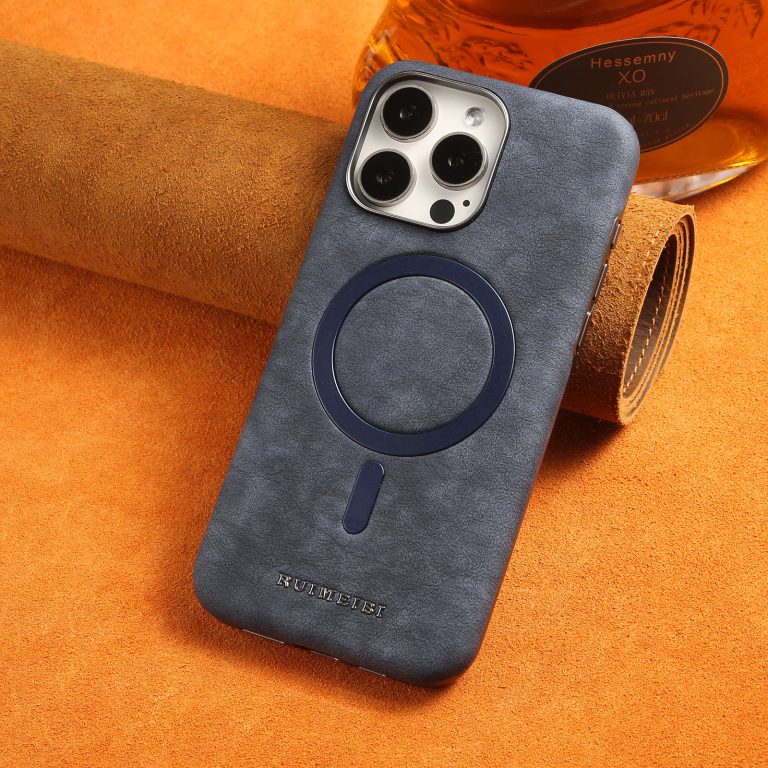
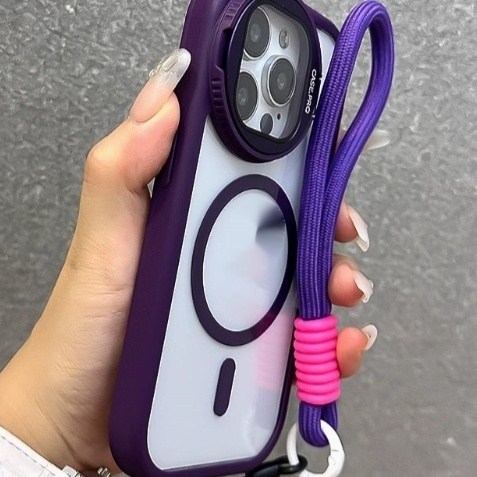
They do, and it is often the more important lip of the two. The camera module sits proud of the back on most phones, so a phone placed back down rests on the lens glass. A raised ring around the camera, usually a millimetre or two above the lens, keeps that glass off the surface. That protects the lens coating and prevents the fine scratches that soften photos in bright light. Without a camera lip the lens takes every table contact, and the module can also catch on the edge of a pocket and lift. Check that the camera opening has a rim rather than sitting flush, and that the rim is not so tall it collects lint or blocks the flash. If you are deciding how the phone travels, pocket, bag or pouch covers the options.
How do you check the lip on a case before you buy it?
Use the product photos. A side-on photo shows the lip clearly, and a corner photo shows whether the protection continues around the corners or stops at the top and bottom. The description should mention a raised lip or a raised bezel, and if it only talks about slimness, assume there is none. When the case arrives, put the phone in, place it face down on a flat table and look from the side. You should see a visible gap between the glass and the surface. Then run a fingernail around the front edge to feel for a consistent height. Repeat the test on the back for the camera ring. If the glass touches the table, the lip is doing nothing.
Frequently asked questions
- Can I add a lip to a case that does not have one? Not reliably. Stick-on bumpers add a few tenths of a millimetre at best and tend to peel. If lip height matters to you, buy a case that has one built in rather than trying to add it later.
- Does a raised lip collect dust and lint? A little, particularly around the front rim and the camera ring. Wipe the rim with a dry cloth when you clean the case, and avoid lips that are much taller than two millimetres because they trap more debris.
- Will a lip stop the screen breaking in every drop? No. It removes the most common cause of screen damage, which is a flat face-down landing, but a corner strike or a drop onto a sharp edge can still damage the glass. A lip is one part of protection, not a guarantee.
- Do all cases with a lip also protect the camera? No. The front lip and the camera ring are separate features, and some cases have one without the other. Check the photos for both, because a flush camera opening leaves the lens resting on the table.
- What are the shipping terms? Tracked shipping is free on orders over $49 with baskets up to 1.25 kg, tracked delivery takes 10 to 20 business days, and below $49 shipping is calculated at checkout. Prices are in USD.