
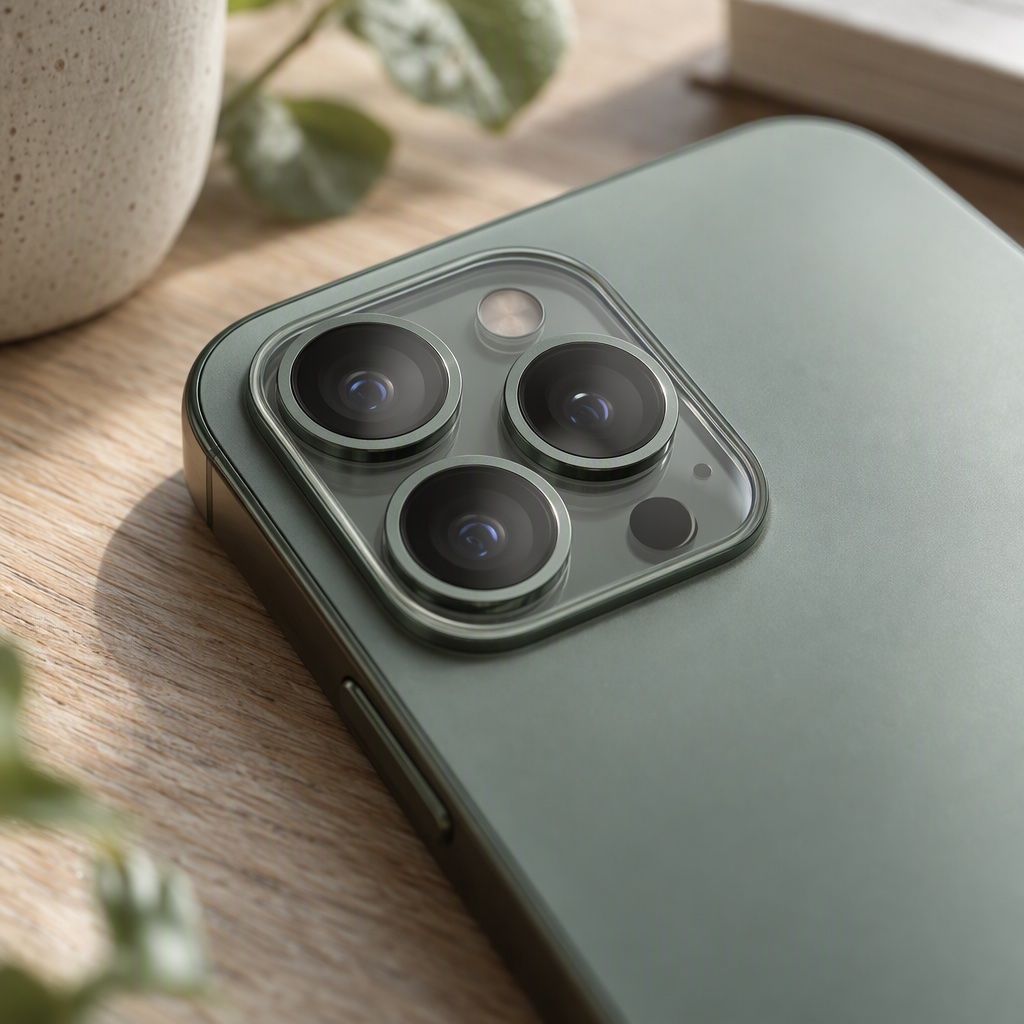
A photography student asks more of a phone case than most people do. The camera is the whole point, so the case has to leave the lens area completely clear, protect it when the phone is set down or carried, and stay out of the way when the phone is mounted on a tripod or held for a shot. It also has to survive being carried around campus and out on shoots, where the phone gets set on walls, benches, and the ground. A case that fits the camera well and protects it without blocking the lens is worth more than one with a dozen other features.
- Check the camera opening first — it must frame every lens without covering any part of it.
- Choose raised edges around the camera so the lens never rests on a surface.
- Keep the case slim and grippy, so it stays out of the way when you shoot.
- Add lens protection if you carry the phone loose, since lenses scratch easily.
What does a photography student need from a case?
A photography student needs a case that protects the phone without interfering with the camera. That means a precise camera opening that frames every lens and sensor, raised edges around that opening so the phone can be set down without the lens touching the surface, and a body that stays slim enough to hold comfortably for long shots. It should also grip well, since a phone that slips during a shot means a blurred photo or a dropped device. Durability matters too, because a photography student carries the phone to shoots, sets it on rough surfaces, and works outdoors in changing weather. Everything else — color, texture, extra features — is secondary to protecting the lens and staying out of the way. A case that leaves the lenses fully clear is non-negotiable, because any overlap ruins a shot you cannot retake.
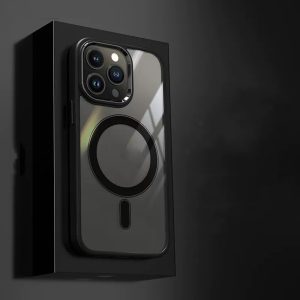
iPhone Cases in Transparent. Designed for everyday carry and backed by our 30-day happiness guarantee.
Why does the camera opening matter so much?
The camera opening is the one part of a case that can ruin a photo. If the opening is too small or slightly off-center, it can clip the edge of a wide shot, cast a shadow when the flash fires, or cover one of the lenses on a multi-camera phone. That shows up as dark corners, a stray shadow, or a lens that simply does not work. A case made for your exact model has an opening cut to match the camera layout, which is why a generic case that claims to fit several models is a poor choice for photography. Before you buy, check that the opening frames the whole camera area with a little margin, and that the material around it is not so thick that it intrudes on the frame. A grip or a ring helps steady long exposures, which is exactly when a photography student needs both hands.
How do you keep the lens clean and safe?
Lenses are small and easy to scratch, and a scratch on the lens is permanent. The best protection is a raised lip around the camera, so when the phone is set face-down the lens does not touch the surface. Beyond that, clean the lens with a soft cloth rather than a sleeve or a shirt, since fabric can carry grit that grinds against the glass. Avoid setting the phone on sand, gravel, or a rough wall, and check the lens for dust before an important shot. If you carry the phone loose in a bag, keep it away from keys and coins. And handle the phone carefully when it is out of the case, since a bare lens is the most exposed part of any phone. A neutral-coloured case avoids colour casts in reflective shots, a detail that matters more than people expect.
Do you need lens protection on top of a case?
Lens protection is worth adding if the phone spends time in a pocket or a bag where it can be scratched. A lens protector is a small piece of glass or film that covers the camera area, taking the scratches that would otherwise reach the lens itself. The trade-off is that any extra layer over the lens can affect image quality, especially in low light or with a flash, so it is important to choose one that is clear and well fitted. If you photograph often, a scratched lens is a real problem, and a protector is cheap insurance. If the phone is always in a case with a raised camera lip and you rarely carry it loose, you may not need one. If you do, apply it carefully so it sits flat and does not catch the light. Consider a case with a strap point, because a wrist loop is the cheapest insurance against a drop on location.
How does a case work with a tripod or grip?
A case has to cooperate with whatever holds the phone, and this is where a slim, well-fitted case wins. A bulky case can stop the phone sitting flat in a clamp or a mount, and a slippery one can slide out of a grip during a shot. Look for a case that is thin enough to fit a standard mount and grippy enough to hold firmly in a hand or a clamp. If you use a magnetic mount or tripod, check that the case supports the attachment, since a thick or non-magnetic case weakens the connection. A case that lets you mount the phone quickly and holds it steady makes long shoots far easier. For more, see how to take better photos with your phone. A thin case keeps the phone light on a long shoot, when every gram in the bag counts.
What should you avoid?
Avoid any case that partially covers the camera, since that is the one flaw you cannot work around. Avoid thick cases that stop the phone fitting a mount or sitting flat on a tripod. Avoid smooth, glossy finishes that slip out of your hand during a shot, and heavy cases that make the phone tiring to hold for long sessions. Avoid a case that traps heat, since long photo or video sessions already warm the phone and a poorly ventilated case makes it worse. Avoid cheap lens films that blur the image or cause glare from the flash. And avoid treating the camera as an afterthought: for a photography student, the lens is the reason the phone is in the bag, so protect it first. For the wider topic, read how to protect a phone camera lens.
Frequently asked questions
- Does the case affect photo quality? Only if the camera opening is wrong or the material intrudes on the frame. A case made for your exact model avoids both.
- Should I use a lens protector? It helps if you carry the phone loose or in a pocket. Any extra layer can slightly affect image quality, so choose a clear, well-fitted one.
- Will a case stop my phone fitting a tripod? A thick case can. A slim, well-fitted case usually sits flat in a clamp or mount without trouble.
- Do I need a magnetic case? Only if you use a magnetic mount or tripod. Check that the case supports the attachment before relying on it.
- What is the biggest mistake? Choosing a case for looks before checking the camera opening. For photography, the lens opening comes first.


