
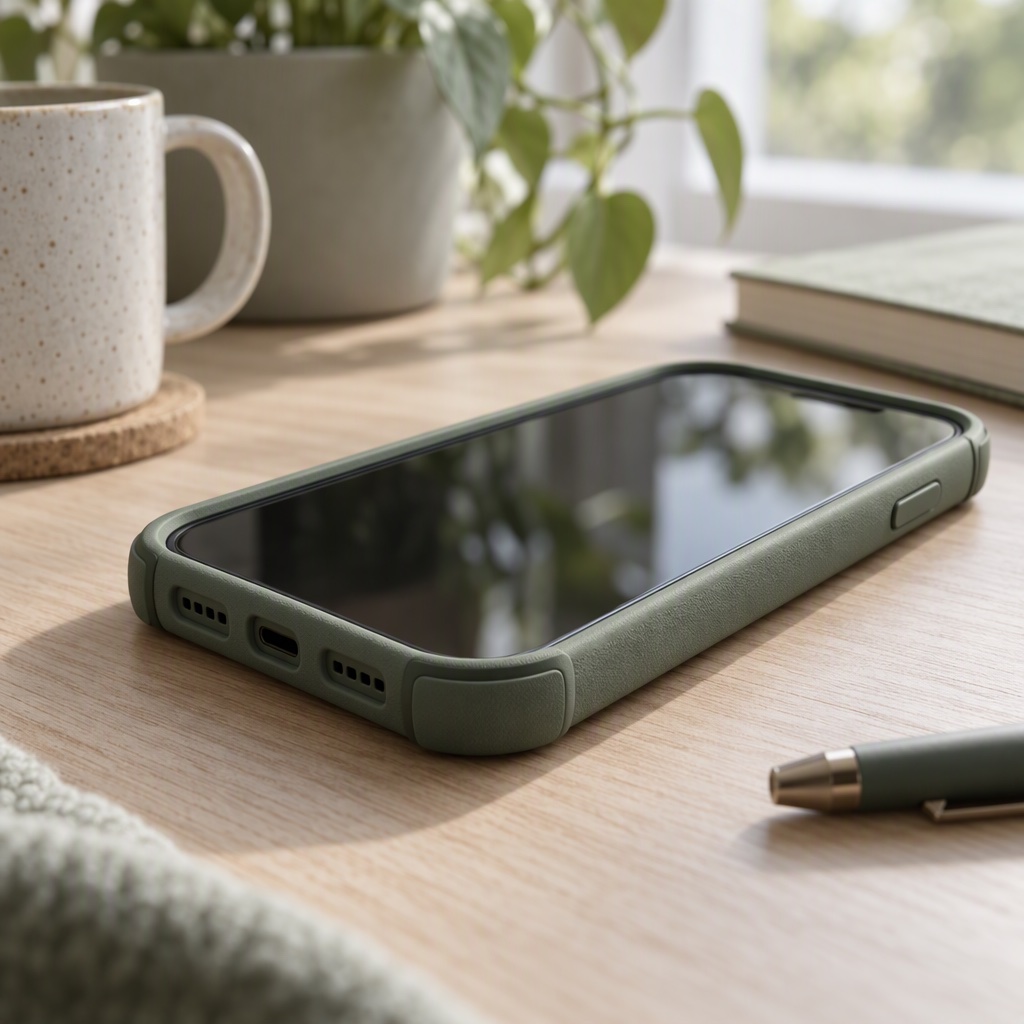
Case colors change over time for predictable reasons: clear and white plastics yellow from sunlight and skin oils, dark dyes fade in the sun, and light colors show every scuff. If you want a color that stays true, choose mid-tone opaque shades, keep the case out of direct sun and hot cars, and clean it regularly. The honest truth is that clear cases look the oldest fastest — if that bothers you, choose a color, not a showpiece.
- Clear and white cases yellow fastest; mid and dark tones hide wear better.
- Sunlight and skin oils drive most discoloration, not everyday handling.
- Silicone can pick up dye from denim; leather darkens gracefully with age.
- Clean the case every couple of weeks and keep it out of hot cars.
Which colors show age first?
Clear cases are the worst offenders, followed by white and pale pastels. Clear plastics are fighting a losing battle against ultraviolet light and the natural oils on your hands, and the yellowing is cumulative — it never reverses, only pauses. White and pastel cases have the same oils working against them plus a bigger target: any scuff, ink mark, or dye transfer shows immediately, and a case that starts out pale has nowhere to hide. Mid-tone blues, greens, and grays sit in the comfortable middle, and black hides most things except dust. Patterned prints sit in between — the design hides scuffs well but not yellowing. If you want the honest answer about clear versus solid, our comparison of clear and solid cases covers both sides. Light shades show every fingerprint, while very dark shades show scratches more readily, so the honest answer is usually a mid tone.
Why do clear cases go yellow?
Two processes work together. Ultraviolet light breaks down the polymers in clear plastics, and the reaction produces a yellow tint that deepens with exposure — a case that lives on a sunny windowsill yellows far faster than one in a pocket. Skin oils are the second factor: the thin film your hands leave on a case every day contains compounds that react with the plastic and attract grime, so the case yellows in the places you touch most. Neither process is a defect, and no amount of cleaning fully reverses it once it has started, which is why the practical answer is usually choosing a different color rather than fighting the chemistry. A matte finish hides marks better than a gloss finish, because the surface diffuses the light that would otherwise make a smudge visible.
Do darker cases hide wear better?
Mostly yes, with one caveat. Scratches and scuffs on a dark case show up as light marks, which read as texture rather than damage from arm’s length. A matte finish hides scratches better than a glossy one, because gloss reflects light in a way that makes every mark visible. The caveat is heat: dark surfaces absorb more warmth in direct sun, so a black case on a sunny windowsill or a car dashboard can feel noticeably warmer than a light one. That is a comfort issue rather than a damage issue in most climates, but it is worth knowing if you live somewhere with strong sun and a long summer. Some manufacturers treat the clear plastic with a UV inhibitor that slows the yellowing, which is why untreated budget yellows far faster.
How much does cleaning change the outcome?
More than most people expect, because the discoloration that looks like yellowing is often a film of oil, lotion, and hand cream sitting on the surface. A weekly wipe with a barely damp cloth removes that film before it builds into something permanent-looking, and it takes about two minutes. Take the case off the phone once a month and clean both surfaces, because the side against the phone traps oil too. Avoid alcohol wipes on clear plastics if you can — they are fine occasionally but repeated use can haze some finishes. A dedicated soft cloth is gentler and reusable. Avoid leaving a case in a hot car or in direct sun for long periods, because ultraviolet light is the single largest driver of discolouration.
Does the material matter as much as the color?
Sometimes more. Silicone is comfortable and grippy but absorbs oils and can pick up dye from denim, which is why a light silicone case sometimes turns blue at the corners. TPU is tougher and more resistant to staining, and leather ages by darkening rather than yellowing, which most people find attractive. Hard polycarbonate holds color well but shows scratches on glossy finishes. This means the same “navy” can age very differently depending on the material, so it is worth reading our comparison of silicone, TPU, and polycarbonate cases before you commit to a shade. If a case has already yellowed, a wash with warm water and a little soap removes surface grime, though it will not restore the original shade.
What habits slow discoloration down?
Keep the case out of the sun and off hot surfaces. That means no sunny windowsills, no car dashboards, and no poolside tables where the case sits in direct light for hours. Keep it away from denim that has not been washed, because new indigo transfers readily. Clean it on a schedule rather than when it looks bad, and rotate between two cases if you have them, which halves the exposure each one gets. None of this stops aging completely — a case is a wearable item, and wear shows — but these habits are the difference between a case that looks tired in three months and one that looks nearly new after a year.
Frequently asked questions
- Can I restore a yellowed clear case? Generally no. Once the plastic has yellowed, the change is chemical and does not reverse. Cleaning can remove the film on top and make it look better, but replacement is the honest answer if the color bothers you, and prevention is cheaper than any restoration attempt.
- Is a black case hotter in the sun? Dark surfaces absorb more warmth, so a black case can feel noticeably warmer on a sunny windowsill. The bigger risk is any phone left on a hot car dashboard, in any color, where heat affects the battery and the screen. The phone’s own temperature warning appears long before the color matters.
- Do patterned cases hide wear better? Busy patterns disguise scuffs very well, which is their main advantage, and a busy print is the safest bet if you want a case to look new for a year. Dye transfer still tends to show around the edges and the camera cutout, so the cleaning advice still applies.
- How often should I clean a light-colored case? Weekly is reasonable, because light colors show oils and marks quickly. A two-minute wipe with a barely damp cloth keeps them looking close to new for far longer than a deep clean once a season, and more often if you use hand cream, which transfers readily.
- Does a screen protector affect how a case ages? No, they age independently. The protector guards the screen, and the case does its own thing against sun, oils, and abrasion, so replacing one has no effect on the other. Keep the case clean and the protector looks after its own side.


