
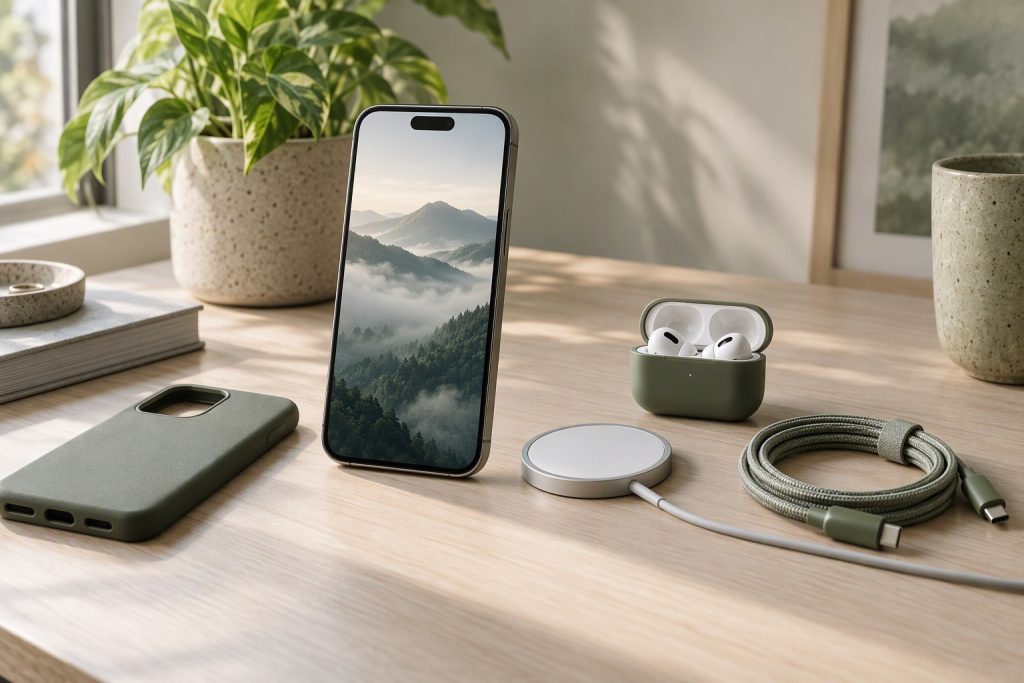
A school year is a long test for a phone case. It will be taken on and off, dropped, stuffed into bags, and left in hot and cold rooms, and many cases that look fine in the first week are stretched, cracked, or discolored by the last term. A case that survives the year usually shares a few traits: a material that keeps its shape, corners that absorb shock without splitting, and a fit that stays snug as the plastic ages. Choosing for durability rather than looks is the difference between one case a year and three.
- Pick a material that keeps its shape — flexible cases with reinforced corners last best.
- Check the corners and edges, which are where almost every case fails first.
- Avoid finishes that yellow or peel, since they age faster than the structure underneath.
- Clean it occasionally and it will outlast a case you never maintain.
What wears out a case over a school year?
Four things wear a case out, and they act slowly. The first is taking the case on and off, which stretches the sides and eventually loosens the fit. The second is heat, especially a phone left on a windowsill or in a warm room, which softens plastic and speeds up discoloring. The third is sunlight and hand oils, which fade colors and break down clear coatings. The fourth is grit trapped between the case and the phone, which grinds against the edges every time the phone moves. None of these happen overnight, but over two terms they add up. A case that resists all four — a flexible material, a stable color, and an occasional clean — is the one still going in the summer. A case that is taken off every night to charge wirelessly will loosen far sooner than one that stays on.
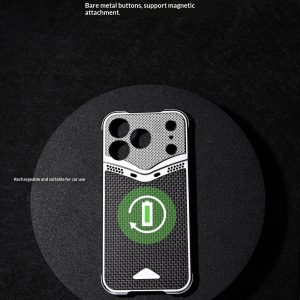
iPhone Cases — case. Designed for everyday carry and backed by our 30-day happiness guarantee.
Which materials last longest?
Flexible materials generally outlast rigid ones over a school year, because they bend instead of cracking. A soft inner layer paired with a firmer outer shell absorbs shocks and holds its shape, while a single hard piece of plastic tends to split at the corners. Clear cases are the most likely to yellow, since the coating that keeps them transparent breaks down with sunlight and oils; treat a clear case as something you may replace rather than a year-long purchase. Solid colors hide scuffs and aging far better. Leather-look and fabric finishes can wear attractively if the base underneath is durable, but they show marks sooner than plain plastics. The structure matters more than the surface, so judge the material at the corners and edges. A case with a separate inner liner is easier to clean than a single molded shell, and it cushions the phone better.
How do the corners and edges decide the outcome?
Almost every case fails at a corner. That is where a drop concentrates its force and where the material is thinnest, so the corners tell you how long a case will last. Look for reinforced corners with an extra layer or a raised bumper, since those absorb impact instead of passing it to the phone. The edges matter too: a case that wraps the sides tightly keeps grit out and stops the phone shifting, while a loose edge lets dust in and lets the phone slide on impact. Raised lips around the screen and camera protect the glass when the phone lands face-down. If the corners are thin and hard and the edges feel flimsy, the case will not make it to the end of the year. Press a fingernail into a corner before buying; if it gives easily, the case will not survive a real drop.
When does a full-cover case make sense?
A full-cover case, one that folds over the screen, makes sense when the biggest risk is the screen itself rather than a drop. If the phone travels in a bag with books and keys, or sits face-up on a desk all day, a cover keeps the glass protected and hides the screen from view. The trade-off is bulk and convenience: a cover adds thickness and you have to open it every time you use the phone. For a student who uses the phone constantly, that friction can be annoying, while for someone who mainly wants protection between classes it works well. If the phone is dropped often, a bumper-style case with strong corners may suit you better. Choose based on which risk is more common in your week. A cover with a soft lining also wipes the screen a little each time it closes, which keeps fingerprints down.
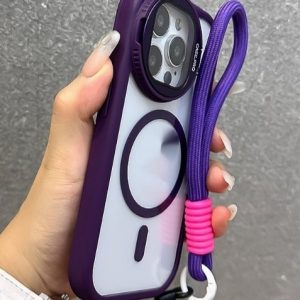
iPhone Cases — case. Designed for everyday carry and backed by our 30-day happiness guarantee.
How do you stop a case discoloring or stretching?
Discoloring and stretching both come from the same sources: heat, sunlight, oils, and grit. Keep the phone out of direct sun, especially on a dashboard or a windowsill, and avoid leaving it in a warm room for long periods. Clean the case every few weeks with mild soap and water to remove the oils that break down coatings. Take the case off occasionally to clear trapped dust, and put it back carefully so you do not stretch the sides. Ease the case off evenly rather than pulling it by one corner, which is the quickest way to loosen it. A little routine care adds months to a case, and it costs nothing but a few minutes. For the method, see how to clean a phone case properly. Do not clean a case with alcohol or harsh solvents, since they strip the finish and speed up cracking.
How do you know when to replace it?
Replace a case when it stops doing its job, not when it looks old. The clear signs are corners that have cracked or gone soft, edges that no longer grip the phone, a fit so loose that the phone shifts when you press the screen, and a case that has become sticky or is shedding its coating. A small scuff is not a reason to replace anything, but a cracked corner is, because that corner no longer absorbs a drop. If the case has yellowed badly it is mostly a cosmetic issue, though heavy discoloring often comes with material breakdown. Once the structure is compromised, the case is a decoration rather than protection. For material comparisons, read silicone vs TPU vs polycarbonate cases compared. Keep the old case until the new one arrives, so the phone is never left unprotected during the swap.
Frequently asked questions
- How long should a good case last? With occasional cleaning, a flexible case with reinforced corners can last a full school year. Clear cases often age faster.
- Do clear cases always yellow? Many do, because the coating breaks down with sunlight and hand oils. Treat them as replaceable rather than permanent.
- Is a hard case or a soft case more durable? Soft and hybrid cases usually last longer, since they bend instead of cracking at the corners.
- Should I take my case off to clean it? Yes, now and then. Removing it clears the grit that stretches the sides and scratches the frame.
- When is a scuff a problem? Only when the structure is affected. A cracked corner or a loose fit means replace; a small scuff does not.


