
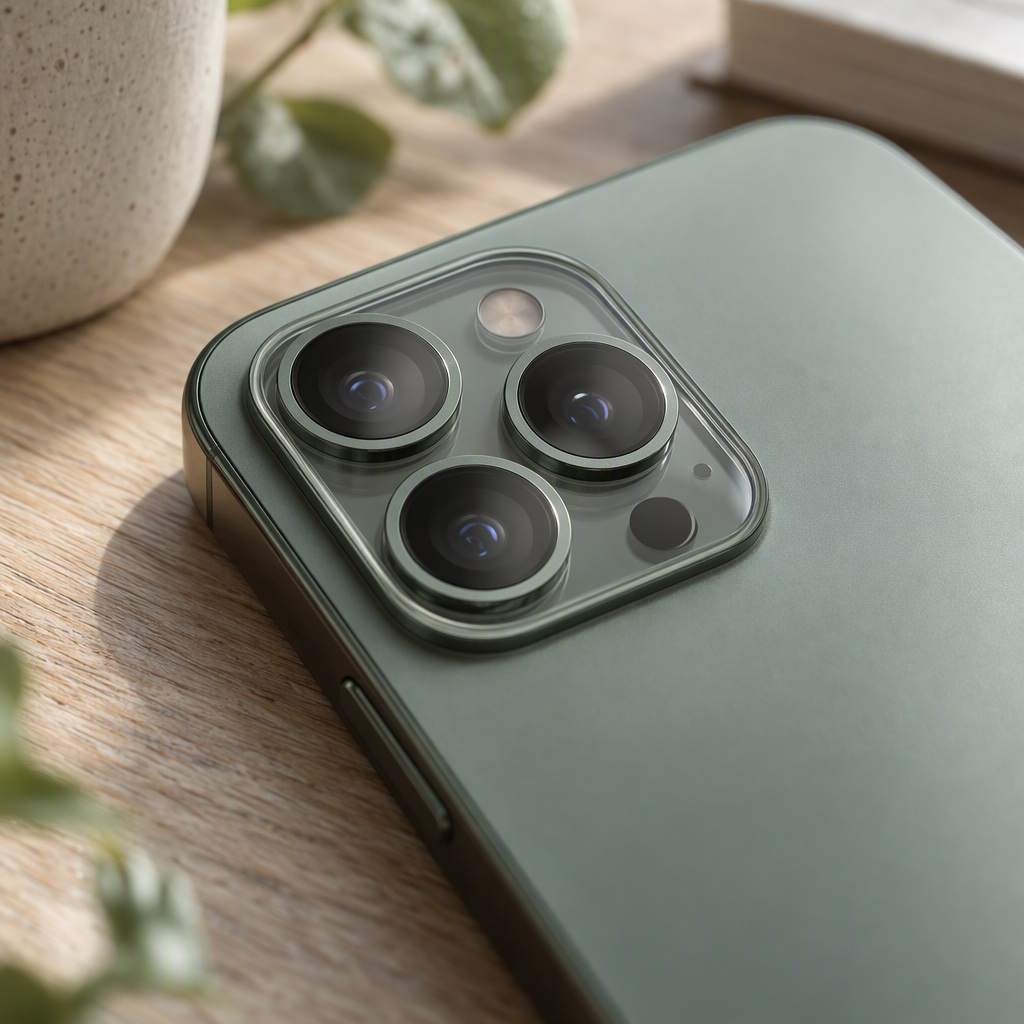
A summer evening is the friendliest light of the day. The sun is low, the shadows are long, and the light turns warm and soft, which flatters almost everything in front of the lens. People look better, colors are richer, and the sky often does something worth photographing. The catch is that the light fades quickly, so an evening shoot rewards a little preparation. If you arrive with a charged phone, a clean lens, and a rough plan, you can capture the golden hour and the blue hour that follows, when the sky glows and the streetlights come on. Miss that window and you are shooting in the dark, where the phone has to work much harder for a much less flattering result.
- Shoot in the hour before sunset and the half hour after for the best light.
- Keep the lens clean, since warm light shows every smudge.
- Tap the bright sky to protect the highlights, then adjust the brightness.
- Use a steady support as the light drops, because slower shutters blur easily.
Why is a summer evening such a good time to shoot?
Low sun does several helpful things at once. The light travels through more of the atmosphere, which softens it and warms the color, so skin looks natural and landscapes glow. Shadows stretch out and become long and gentle rather than harsh and dark, which adds depth without hiding detail. The lower angle also means you can shoot toward the light and catch a rim of brightness around a subject, which separates them from the background. Evenings in summer are long, so you have more time to work than in winter, and the world often looks calmer, with fewer harsh reflections. Add the blue hour after sunset, when the sky turns deep and even, and you have two very different looks in one outing.
How do you handle the fading light?
The main challenge is that the light keeps changing, so what worked five minutes ago may not work now. As the sun drops, the phone will want a slower shutter, which makes blur more likely and raises the risk of noise in dark areas. Watch the screen and adjust the brightness slider as needed rather than trusting the automatic setting to keep up. If the scene gets dim, steady the phone against something solid, or use a small tripod, and let the phone take a slightly longer exposure. Keep an eye on the sky, since the brightest part changes as the sun moves. Expect to reshoot as the light shifts, and give yourself time rather than rushing at the last minute, because the best color rarely lasts more than a few minutes at a time.
How do you photograph a sunset without washing it out?
Sunset shots fail when the camera exposes for the whole scene and the bright sky turns to white. Tap on the brightest part of the sky so the phone protects the highlights, then drag the brightness slider down until the color stays rich. This will darken the land, which is often fine, since a silhouetted foreground can look deliberate. If you want detail in both, accept that no single shot captures everything and choose what matters more, or take two frames and blend them later. Include something in the foreground, such as a shoreline or a building, so the sky has context. Keep the horizon level, and shoot a few frames at different brightness settings so you have options to choose from. It is far easier to pick the best of five frames than to try to rescue one that was exposed badly in the moment.
How do you shoot people in warm light?
Evening light is flattering to people, but only if you use it well. Turn your subject so the light comes from the side, which shapes the face and adds warmth without squinting, or place the sun behind them for a glowing edge around their hair and shoulders. If the sun is directly behind, expose for the face so it does not go dark, or use the phone’s HDR to balance the scene. Avoid harsh shadows across the face by moving slightly so the light is even. Ask them to relax and look away from the sun to avoid squinting, and take several shots to catch a natural expression. The warm tones do much of the work, so keep the composition simple and let the light carry the photo rather than adding clutter to the frame.
Screen & Lens Protection — camera lens. Designed for everyday carry and backed by our 30-day happiness guarantee.
How do you keep shots sharp as it gets darker?
Sharpness is the first thing to suffer when the light drops. A slower shutter means any movement, from your hands or the subject, shows up as blur. The most reliable fix is a steady support: a small tripod holds the phone still and lets you use a timer so you never touch it while it exposes. If you do not have one, brace the phone against a wall, a railing, or a table, and hold your breath as you press the shutter. Tap to focus on your subject rather than letting the phone hunt, and avoid digital zoom, which magnifies shake. If your phone has a night mode, it will help in dim light but needs a steady phone to work properly.
What should you carry for an evening shoot?
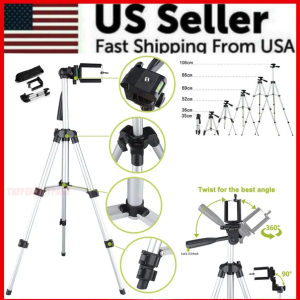
An evening shoot is simple if you pack a few things. Charge the phone fully, since screen use and cooler air both drain the battery faster than you expect, and bring a power bank if you plan to shoot for a while. A small tripod makes the biggest difference to sharpness once the light drops. A soft cloth keeps the lens free of fingerprints and condensation, which matters more in warm evening light. A lens protector keeps the surface scratch-free and easy to wipe. Wear something warm for after sunset, when the temperature falls quickly, and keep the phone in a pocket between shots so it stays warm and ready. A small cloth and a charged spare battery round out a simple evening kit that will not weigh you down. For more low-light technique, read night photography with a phone and how to take better photos with your phone.
Frequently asked questions
- What is the best time for summer evening photos? The hour before sunset and the half hour after, often called golden hour and blue hour, give the warmest and most even light.
- Why is my sunset photo washed out? The camera is exposing for the whole scene. Tap the brightest sky and lower the brightness slider to keep the color.
- How do I stop blur as it gets dark? Use a tripod or brace the phone on something solid, and use a timer so you do not move it while it exposes.
- How should I light people in the evening? Turn them so the sun comes from the side, or place it behind them for a glowing edge, and expose for the face.
- How long does delivery take? Standard tracked delivery takes ten to twenty business days, orders over thirty-five dollars ship free, and there is a thirty-day returns window.


