

A hooded mount is a stand or holder with a shade built over or around the phone, so the screen stays readable even in direct sun. On a beach, that shade is the difference between a phone you can actually use and one you have to cup your hands around while squinting. The idea is simple: block the light falling on the screen, angle it toward you, and you can read messages, check a map, or watch a video without hunting for the one shadowy spot on the sand. Choosing one for the beach is about shade, stability, and surviving sand, salt, and a bit of wind.
- A hood or shade keeps the screen readable in strong sun.
- Pick a stand that sits firmly on soft sand and does not tip.
- Keep the phone out of direct heat and away from wet sand.
- Choose something light and easy to carry, since you may move often.
What is a hooded mount and why does it help?
A hooded mount holds the phone at a comfortable angle and adds a shade above or around the screen. The shade blocks the sun from falling directly on the display, which is exactly what makes a screen hard to read outdoors. Without it, you turn the brightness right up, which drains the battery and still may not be enough, and you end up tilting the phone at odd angles trying to find a dark patch. A hood solves that by creating its own shade. Some designs fold flat for travel, and some are simply a stand with a lip you can clip a card or a cloth behind. Whatever the design, the principle is the same: shade the screen and you can use it, even on the brightest day of the year.
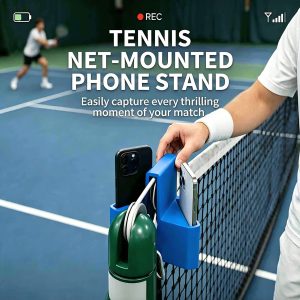
Mounts & Stands — holder. Designed for everyday carry and backed by our 30-day happiness guarantee.
How does shade improve what you see on screen?
Screen readability is all about contrast between the display and the light around it. In bright sun, the ambient light can be stronger than the screen’s own output, so the image looks washed out and pale. Shading the screen restores the contrast, so colors look right and text is legible without maxing out the brightness. That also saves battery, which matters on a long beach day when charging is not easy. A shaded screen is easier on your eyes, so you are less likely to squint and less likely to hold the phone at a strange angle. It also helps you judge photos you have taken, since you can see the actual colors rather than a bleached approximation. Shade is a small feature with a large effect, and it is the one thing that separates a beach-day mount from an ordinary stand.
What should the mount be able to do on sand?
Sand is unstable, so the mount needs a base that spreads its weight and does not sink. A stand with a wide foot or several legs copes better than one with a narrow base, and a design you can push gently into the sand gives extra stability. Avoid anything with small parts that grit can jam, and choose smooth surfaces that wipe clean easily. The mount should hold the phone firmly at the angle you want, because a stand that sags will slowly tip forward as the sand shifts. If you plan to move around, a lighter stand is easier to carry, but it must still be stable enough not to fall over in a light breeze. Test the balance before you trust it with your phone, and set it up on the sand the same way you would on a table so you know how it behaves before you need it.
How do you keep the phone cool and dry?
Heat is a real risk on the beach. A phone left in direct sun on a stand can get very warm, and a warm phone slows down, dims its screen, and may refuse to charge. Use the hood to shade the phone as well as the screen, and avoid leaving it in the sun when you are not using it. Keep it away from wet sand and splashes, since salt and grit work their way into ports and seams. A sealed case or a pouch adds protection if the phone is going near the water. When you are not using it, put the phone in a bag or under a towel rather than on the sand, and never leave it in a hot car or a closed beach bag in full sun.
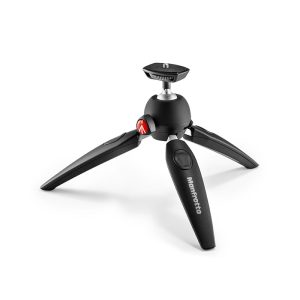
Mounts & Stands — holder. Designed for everyday carry and backed by our 30-day happiness guarantee.
What about stability in wind?
Sea breezes are stronger than people expect, and a light stand with a tall phone is easy to topple. Lower the phone closer to the base where you can, since a lower center of gravity is more stable. Position the stand so the wind hits the back of the phone rather than the screen side, which reduces the leverage. If the stand has adjustable legs, spread them wider for more stability on soft sand. Weight the base with a small bag or a water bottle if it feels light, and never leave a tall phone on a stand unattended in a strong wind. A phone that tips onto the sand may be fine, but one that tips into the sea is not, so think about where you set up and keep the stand well back from the water’s edge.
How do you choose the right one for a beach day?
Start with how you will use the phone. If you mainly want to read and watch in comfort, a simple stand with a good hood is enough. If you want to take photos or video, look for a stand that holds the phone steady at different angles and folds down small. Check that it wipes clean, since sand and salt get everywhere, and that the hood does not block the camera when you want to shoot. Weight and packed size matter if you are carrying it in a beach bag. A stable base, a wide shade, and easy cleaning are the features that count, and everything else is decoration. For wider beach advice, see how to protect your phone at the beach and how to reduce screen glare outdoors.
Frequently asked questions
- Do I really need a hooded mount on the beach? Not strictly, but it makes the screen far easier to read in strong sun and saves battery by keeping the brightness low.
- Will a stand sink into the sand? A wide base or legs spread the weight and sink less. Push the feet gently into the sand for extra grip.
- How do I keep the phone from overheating? Keep it shaded, out of direct sun, and out of a hot car or closed bag. Use the hood to shade the whole phone.
- What about wind blowing it over? Lower the phone, spread the legs, angle it away from the wind, and weight the base if it feels light.
- How long does delivery take? Standard tracked delivery takes ten to twenty business days, orders over thirty-five dollars ship free, and there is a thirty-day returns window.


