
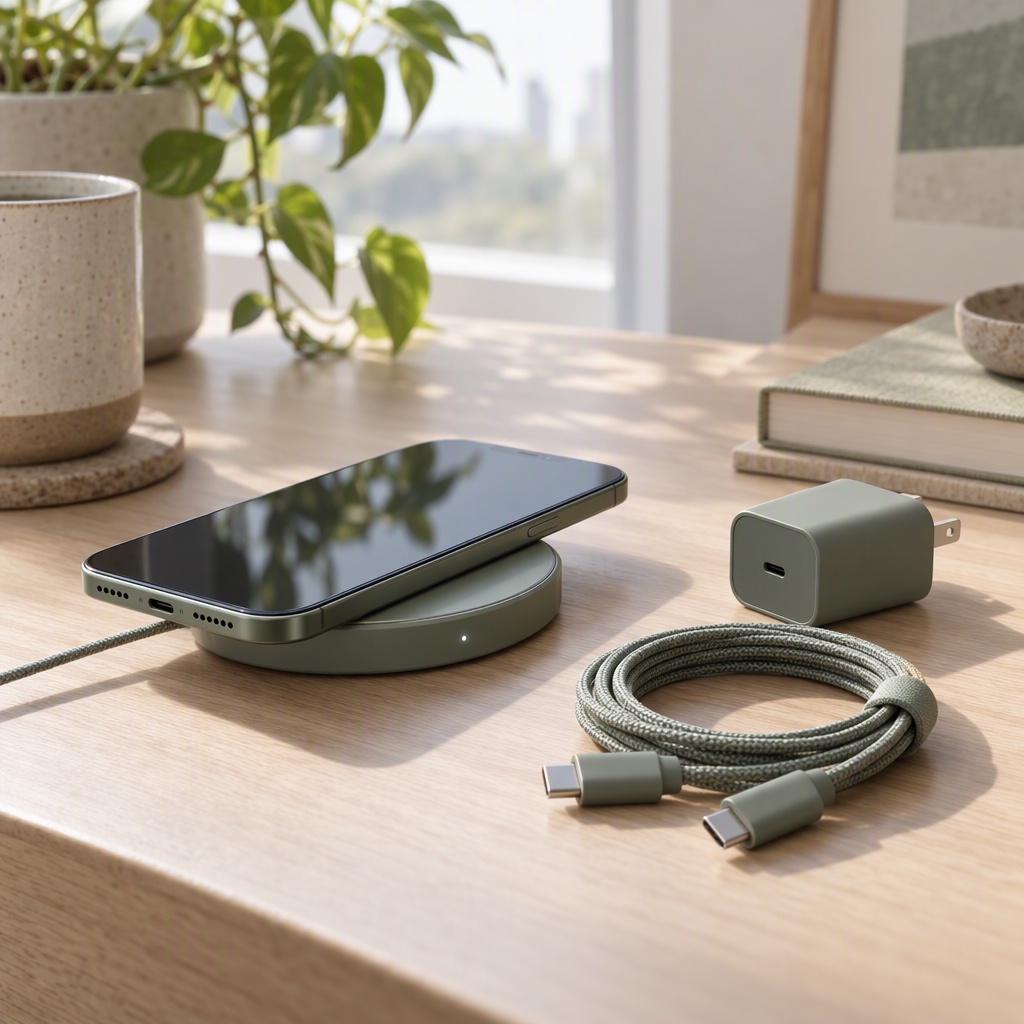
Identifying a certified charging cable comes down to evidence: clear markings on the cable and packaging, a stated power rating that matches your charger, and build quality you can see and feel. A certified cable is one built and tested to meet recognized standards, rather than one that merely looks the part. You will not find a single badge that guarantees quality, but you can learn to spot the signals that separate a well-made cable from a risky one. The good news is that these checks take seconds and can save you from a cable that charges slowly, damages your phone’s port, or fails within weeks.
- Look for clear markings and a stated power rating on the cable or packaging.
- Match the cable’s rating to your charger and phone, not just the plug shape.
- Check the strain relief and connector for solid, reinforced build quality.
- Be wary of cables that are suspiciously cheap or unlabeled.
What does “certified” mean for a charging cable?
A certified cable is one that has been built and tested to meet recognized industry standards for safety, power delivery, and data, rather than a cable made to no particular specification. In practice, certification shows up as compliance with a known standard, clear labeling, and a build that matches what it claims. It does not mean every certified cable is identical, and it does not mean a well-made uncertified cable is automatically dangerous. What it means is that the cable’s makers have had it checked against rules you can rely on. That matters most when a cable carries real power, because an under-specified cable can overheat or damage the port. Reading the label and checking the rating is the fastest way to tell whether a cable is likely to be built to a standard, or simply sold on appearance.
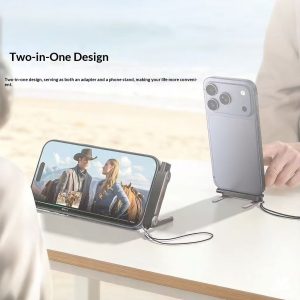
Cables & Adapters — cable. Designed for everyday carry and backed by our 30-day happiness guarantee.
What should you look for on the packaging and the cable?
Start with what the cable says about itself. A well-made cable usually states its power rating, its connector types, and often the standard it complies with. The cable itself should feel substantial rather than flimsy, with a connector that fits firmly and a strain relief section that flexes without feeling brittle. Look for clean molding around the plug, with no sharp edges or gaps. If the packaging is vague, the rating is missing, or the only information is marketing language, treat that as a warning. Our article on the real cost of cheap charging cables explains why a low price often hides a shorter life. A cable that tells you what it is and feels solid is off to a good start, and those two checks alone rule out most of the worst options you will see online.
How do you check a cable’s power rating?
Match the cable’s rating to what your charger and phone actually use. If your charger delivers a certain wattage, the cable needs to be rated for at least that, or it will limit charging to whatever it can carry safely. A cable rated well above what you need is fine and gives headroom, but a cable rated below your charger’s output will slow things down. The rating is usually printed on the cable, the packaging, or both, and it is worth reading before you buy rather than assuming any cable will do. Connector shape alone tells you nothing about power, since cables with identical plugs can be built very differently inside. Checking the rating is a quick step that prevents the common mistake of blaming a slow charger when the cable is the real limit.
What are the signs of a poorly made cable?
Several signs point to a cable that will not last. A very thin, flexible cable that feels light usually has thin conductors and little shielding, which limits power and durability. Connectors that wobble or fit loosely, or that show visible seams and rough edges, suggest poor construction. Cables that get warm in normal use, that only charge when held at an angle, or that stop charging when the cable is moved are all failing. If a cable is unusually cheap with no branding or rating, it is a gamble. Some of these signs appear only over time, and our guide on signs a charging cable needs replacing covers when to stop using one. A cable that shows any of these early warnings is best replaced before it strains your phone.
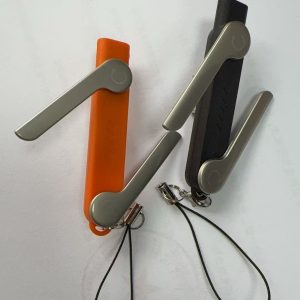
Cables & Adapters — cable. Designed for everyday carry and backed by our 30-day happiness guarantee.
Does certification guarantee a cable is safe?
No certification is a guarantee of perfect safety, but it is a strong signal that the cable has been tested against known requirements. A certified cable is far more likely to handle its rated power without overheating and to be built to consistent tolerances. That said, certification can be claimed falsely, and a genuine-looking label on a poorly made cable is no protection. The reliable approach is to combine several signals: a stated rating, compliance with a recognized standard, solid build quality, and a price that is not impossibly low. No single check is foolproof, but together they make it easy to avoid the worst cables. Think of certification as one useful piece of evidence rather than the whole answer, and let the physical cable confirm what the label claims.
How do you choose a cable you can trust?
Buy for the job rather than the look. Decide what power and connector types you need, then choose a cable rated for that, with solid connectors and clear labeling. Prefer a cable that states its rating and standard over one that only shows a picture. Feel the build quality if you can, and check the strain relief, since that is where cables most often fail. It is also worth keeping a couple of good cables rather than many cheap ones, because replacing poor cables repeatedly costs more over time. If a cable ever gets warm, fits loosely, or charges only at an angle, retire it early. A little care when buying saves frustration later, and it keeps your phone charging reliably for longer. Standard tracked delivery takes ten to twenty business days, orders over thirty-five dollars ship free, and there is a thirty-day returns window.
Frequently asked questions
- How can I tell if a charging cable is certified? Look for a stated power rating, the standard it complies with, and clear labeling, then check that the build feels solid and the connectors fit firmly.
- Does a higher power rating mean a better cable? Not by itself. A rating well above your needs is fine, but what matters is that the cable meets or exceeds what your charger uses.
- Are cheap charging cables dangerous? Not always, but very cheap, unlabeled cables often have thin conductors and weak construction, so they fail sooner and can strain your phone’s port.
- What are the warning signs of a bad cable? Loose connectors, warm cables, visible seams, and charging that works only at a certain angle all point to a cable that should be replaced.
- How long does delivery take? Standard tracked delivery takes ten to twenty business days, and orders over thirty-five dollars ship free with a thirty-day returns window.


