
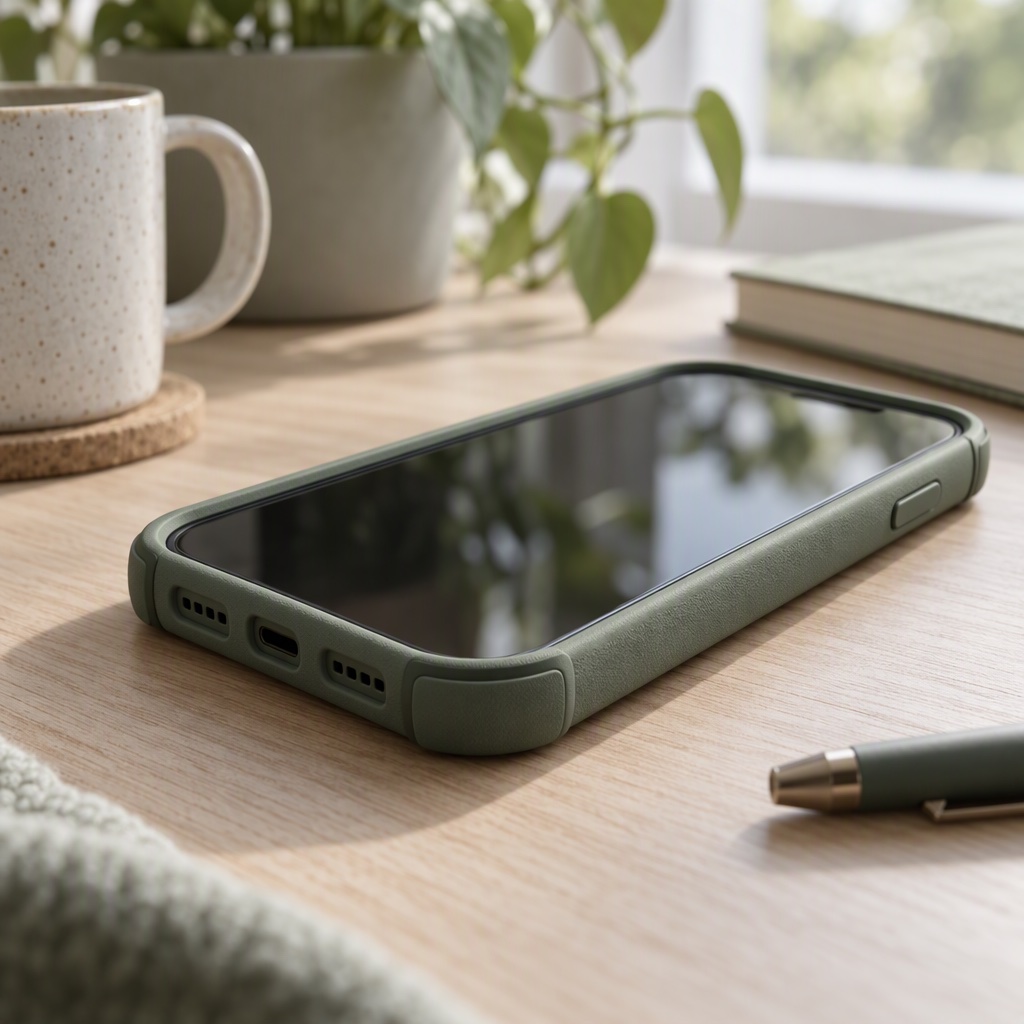
Rain is the most common way a phone gets wet, and most rain damage happens in the first minute, not from the downpour itself but from the fumbling that follows. A little preparation keeps your phone dry and keeps you from standing in the street with a dripping device in your hand. The habits are simple, and they cost almost nothing.
- Carry your phone where water cannot pool, such as an inner pocket or a zipped pouch, not an open side pocket.
- A water-resistant pouch or dry bag costs little and works far better than a loose plastic bag.
- Dry the phone and the case separately after rain, and never charge a wet port.
- If water gets in, power off and let the phone air-dry for hours; skip rice and heat.
How much rain can a phone actually survive?
Many phones carry a water-resistance rating, which tells you how they perform against splashes or brief immersion in fresh water. That is genuinely useful, but it is not a promise of invincibility. Ratings are measured under controlled conditions, on a new device, with intact seals, and they are not permanent. Age, heat, drops, and repairs can all weaken the seals that keep water out. Fresh water is also very different from salt water, chlorinated water, or the soapy water in a puddle. The practical conclusion is straightforward: a rated phone can handle rain, but you should still treat water as something to avoid rather than something to rely on your rating for. If you want the detail, our guide to waterproof versus water-resistant cases explains the difference.
What is the best way to carry a phone in the rain?
Placement matters more than any accessory. An inner jacket pocket stays dry in all but the heaviest rain, and it is close to your body, which also keeps the phone warm. An open side pocket, a back pocket, or a loose bag pocket collects water and grit. If you carry a bag, a zipped compartment is the safest place, and a small water-resistant pouch inside it adds a second layer of protection. A pouch is worth owning because it also protects the phone from sand, dust, and the general wear of a commute. Look for one that seals at the top, whether with a zip, a roll closure, or a clip, and check the seal before you trust it. Cheap pouches often fail at the closure, not the material.
What should you do the moment your phone gets wet?
Act quickly but gently. If the phone is still on, power it off, because running current through a wet device is what turns water damage into permanent damage. Take the case off, since it traps water against the phone, and dry both separately with a soft cloth. Do not shake the phone hard, and do not press a cloth into the charging port or speaker grilles. Instead, tap it gently against your palm to move water out of the openings, and blot the outside dry. Then leave it in a dry, room-temperature spot with good airflow. If it fell into salt water or a puddle, this matters even more, because the residue left behind can corrode contacts long after the water has gone.
Does a case make rain damage more likely?
A case can help or hurt, depending on how it fits. A snug case with a raised lip keeps rain off the screen edges and stops the phone from sitting directly on wet surfaces, which is a clear benefit. A loose case is the opposite: water and grit get between the case and the phone, and because air cannot circulate, they stay there. That trapped moisture is what causes the slow damage people blame on a single wet day. The fix is not to stop using a case, but to check the fit and to dry the phone properly whenever it gets wet. Take the case off after a soaking, dry both parts, and let them air before reassembling. A weekly check fits neatly into your autumn phone care routine.

iPhone Cases — case. Designed for everyday carry and backed by our 30-day happiness guarantee.
How do you dry a phone safely?
Airflow, patience, and room temperature are the whole method. Set the phone somewhere dry and open, ideally with a gentle breeze from a fan, and leave it for several hours, or overnight if it was soaked. Do not use rice, since the dust and starch can clog ports without pulling meaningful moisture out. Do not use a hair dryer, a heater, or an oven, because heat can push water deeper into the phone and damage the seals and adhesives that keep it out in the first place. Do not put the phone in the freezer either, which is a common myth and can cause condensation. Once it is dry, check the charging port with a light before you plug anything in, and charge only when you are confident there is no moisture left.
How do you protect a phone in a storm?
Plan ahead rather than reacting. Before you leave in wet weather, move the phone to an inner pocket, put a pouch in your bag, and check that your case is fitted properly. If you are out when a storm hits, resist the urge to check the phone every few minutes, since each time it comes out it gets wet again. If you must use it, step under cover first. Keep a microfiber cloth in a pocket or bag so you can wipe the screen and the lens without improvising with a sleeve. Finally, know where your phone can and cannot go: a rated phone can handle a wet commute, but no phone should be deliberately dunked, and none should be charged until it is completely dry.
Frequently asked questions
- Can a phone survive being dropped in a puddle? Often yes, if you act fast. Power it off, take the case off, blot it dry, and let it air out for hours. Puddle water carries grit and residue, so the sooner you clean and dry it, the better your chances.
- Is a water-resistant phone case worth buying? If you commute in the rain or spend time outdoors, yes. A pouch or a well-sealed case is inexpensive and removes most of the risk. It also protects against dust and grit on dry days.
- Should I charge my phone if it got wet? No. Charging a wet port is one of the fastest ways to cause real damage. Dry the phone thoroughly, check the port, and only plug it in once you are sure no moisture remains inside.
- How long should I wait before turning a wet phone on? Give it several hours at minimum, and overnight if it was soaked. If you can see any fogging under the screen or in the camera, wait longer before you power it on or charge it.
- Does rain damage a phone through the case? It can, if the case is loose. Water and grit get trapped between the case and the phone, where they stay. A snug case plus a proper drying routine is the safer combination.


