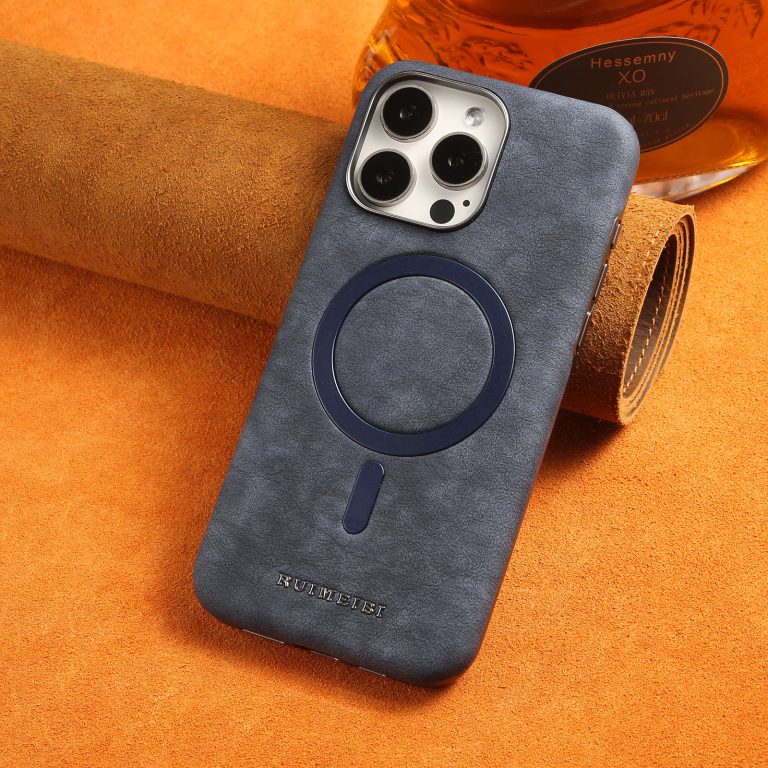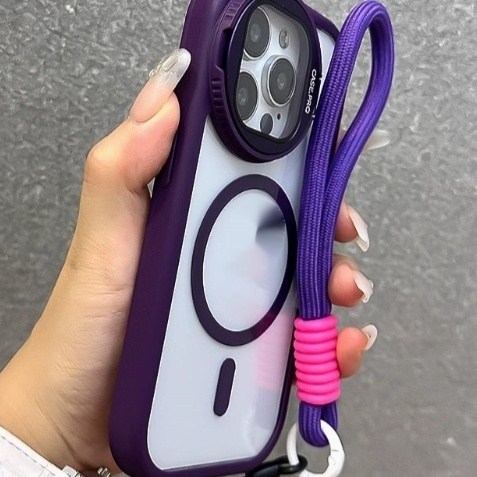
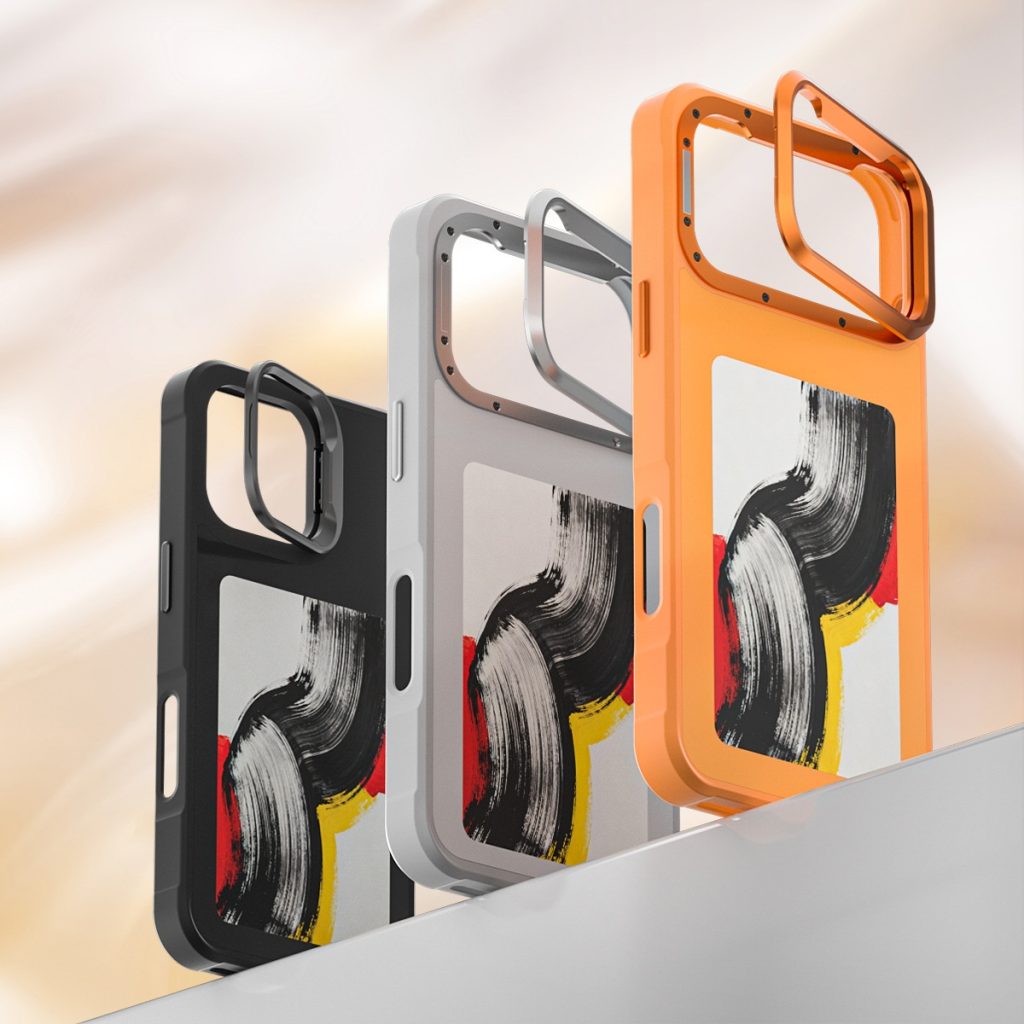
A case protects a phone by absorbing impact at the corners and by holding the screen and the camera lens off flat surfaces. The three things that decide whether it actually protects are the material, the thickness at the corners, and the raised edges around the glass. Colour, texture and branding are preferences; those three are protection. If a case flexes at the corners, sits proud of the glass and fits tightly with no movement, it is doing the job it was bought for.
- Look for reinforced, flexible corners rather than a shell that is uniformly stiff all over.
- Check for a raised lip around the screen and a raised ring around the camera bump.
- Prefer a snug fit, because a case that slides on easily also slides off in a drop.
- Skip very thin shells if the phone shares a pocket with keys or gets dropped often.
What actually protects a phone in a case?
Protection comes from three things working together: a material that flexes to absorb impact, extra thickness at the corners, and a lip that holds the glass off the surface. A case that is uniformly hard transfers shock straight into the phone frame. A case that is uniformly soft deforms and lets the frame take the hit. The strongest design is stiff across the back and flexible at the corners, so the shell spreads the load while the corners compress. Add a raised lip around the screen and a raised ring around the camera, and the two most expensive surfaces never touch a table, a kerb or a car park. Everything else, including colour, texture and branding, is preference rather than protection. Judge a case on those three structural points first, then choose the look you want.
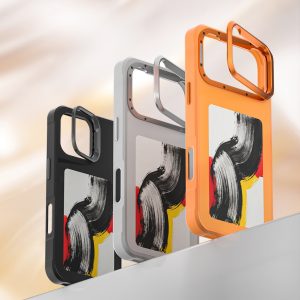
Which material protects best, TPU or polycarbonate?
Neither wins on its own, which is why the best cases combine them. TPU, the flexible rubbery plastic, absorbs shock and grips well, but it flexes enough to let a phone twist inside the shell. Polycarbonate, the hard plastic, resists bending and spreads impact across a wider area, but it can crack under a hard corner strike and offers almost no cushioning. A hybrid case bonds a polycarbonate back panel to TPU bumpers, so the hard part keeps its shape and the soft part takes the energy. If you must choose a single material, TPU is the better choice for drops and polycarbonate is the better choice for rigidity and scratch resistance. If you are weighing finishes as well, our comparison of clear case versus solid case covers how each type behaves in daily use.
How thick should a protective phone case be?
Thick enough to hold the screen and camera off a flat surface, and no thicker than you will actually carry. A case that adds about two millimetres of depth and one to two millimetres of lip height covers most everyday drops. Rugged cases add more, often with a two-layer shell and deeper corners, and they genuinely help on stairs, tarmac and tile. The trade-off is bulk, weight and heat, because a thick case traps warmth during charging and gaming. If a case feels too bulky you will take it off, and a case in a drawer protects nothing at all. Pick the thinnest case that still has reinforced corners, a raised lip and a snug fit, then carry it in your pocket for a week.
Do raised edges and a screen lip matter for protection?
They matter more than most shoppers expect. A screen breaks most often when a phone lands flat, face down, on a hard surface. If the case sits proud of the glass by a millimetre or two, the case contacts first and the glass never does. The same logic applies at the back, where a raised ring around the camera bump keeps the lens off the table. Without a lip, a phone placed face down rests directly on the screen and a phone placed back down rests on the lens, so both surfaces collect scratches even when the phone is never dropped. The lip should run around the whole screen, including the corners, and it should not be so tall that it blocks edge gestures.
How do you check drop protection before buying?
Read the description for the words that describe structure rather than mood: reinforced corners, raised lip, hybrid shell, bumper, shock absorbing. Look at the product photos from the side and at the corners, because you can usually see whether the corners are thicker than the back panel. Check the fit notes for your exact model, because a case cut for one size will be loose on another and loose means movement in a drop. Squeeze the case when it arrives: the back should resist and the corners should flex slightly and spring back. If the case slides off with light pressure or rattles when you shake the phone, return it. Fit is the part of protection you cannot see in a photo.
Does a protective case still work with wireless charging?
Usually yes, if the case is thin and has no metal plate inside. Wireless charging passes through plastic, TPU, silicone and leather, so a normal protective case does not block it. Two things do cause problems: a metal plate or a magnetic ring stuck to the outside of the case, and thickness beyond roughly three millimetres. If your phone sits on a wireless pad and charges slowly or stops and starts, test the case first by removing it and trying again. Cases built with a magnet array designed into the back usually work better than a plain case with a stick-on plate. If the phone lives in a pocket rather than a bag, our notes on carrying a phone without a bag cover how to keep it protected on the move.
Frequently asked questions
- Is a hard case or a soft case better for drops? A combination works best. A stiff back panel holds the shape of the phone while flexible corners compress and absorb the energy, which is why hybrid cases are the common recommendation.
- How do I know a case fits my exact phone model? Check the model name in the listing, then confirm the camera cutout shape matches your phone. A cutout that is too large or too small is the clearest sign the case is not made for your model.
- Do very thin cases protect anything at all? They protect against scratches and scuffs, which is worth having. They offer very little cushioning in a real drop, so treat them as surface protection rather than drop protection.
- Should I use a screen protector with a case? Yes. The protector handles scratches and small impacts on the glass while the case handles the frame, the corners and the edges, and the two work best together when the case lip sits just above the protector.
- What does shipping cost? Tracked shipping is free on orders over $49 with baskets up to 1.25 kg, and tracked delivery takes 10 to 20 business days. Below $49 shipping is calculated at checkout, and all prices are in USD.