
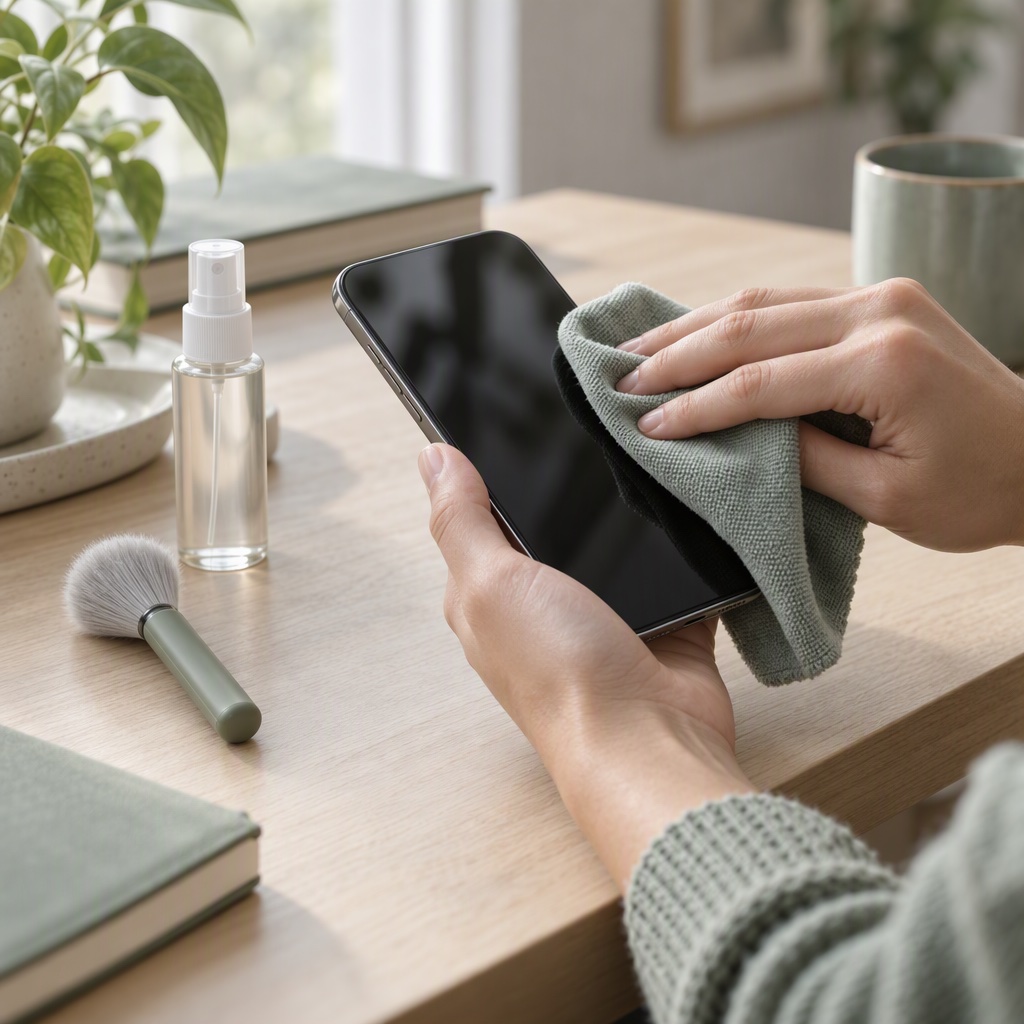
Earbuds sit in a warm, damp place and collect earwax, skin oils and dust every time you wear them. That buildup does not just look unpleasant; it can dull the sound, clog the mesh and, over time, irritate your ears. Cleaning them takes only a few minutes and needs no special equipment. Done regularly, it keeps them sounding clear and lasting longer.
- Clean the mesh and nozzles gently, never with anything sharp.
- Wipe the charging case inside and out, not just the earbuds.
- Replace ear tips when they harden, crack or stop sealing well.
- Clean more often in summer or after workouts.
Why do earbuds get dirty so quickly?
Ear canals produce wax and oils naturally, and earbuds sit right against them for hours at a time. Every time you insert them, they pick up a little of that, along with dust and lint from your pocket or bag. The mesh that protects the speaker is fine enough to trap particles, which is exactly what it is there for, but it also means the mesh clogs over time. Warmth and moisture from your ear make the buildup stickier. Sweat adds salt and more oil during workouts. Because the earbuds then return to a case, they carry that residue with them. Left alone, the grille slowly muffles the sound you hear. Cleaning is really about protecting the parts you cannot replace. Regular cleaning also keeps the sound consistent, because a blocked mesh changes the way the driver behaves longer before it becomes obvious to the ear.
What should you use to clean them?
Keep it simple and dry where possible. A soft, dry brush, a microfiber cloth and a few cotton swabs cover most jobs. A wooden toothpick can gently lift wax from a groove without scratching, as long as you are careful. Some cleaning kits include a small loop or a soft pick designed for exactly this purpose. Avoid paper towels, which shed fibers, and avoid abrasive cloths. If a manufacturer supplies a cleaning tool with the earbuds, use that first, because it is shaped for the model. Never use household cleaners, alcohol or water on the mesh unless the instructions specifically allow it. Gentle and dry beats harsh and wet every time. Do this once a week rather than whenever it sounds bad, and the job takes a fraction of the time that a full deep clean takes.
How do you clean the mesh and nozzles?
Take the ear tips off first if they are removable, since most of the wax collects there. Brush the mesh lightly with a dry soft brush, working from the center outward, and tap the earbud gently to dislodge loose particles. If wax is packed into a groove, use a dry toothpick at a shallow angle and lift it out rather than pushing it in. Never poke anything through the mesh into the speaker. Wipe the outside with a barely damp cloth if needed, then let it dry fully before use. Hold the earbud so any loosened debris falls away from the opening. If the mesh is torn, stop cleaning and consider a repair instead. Keep the case clean too, since it is the part that sits in a pocket next to lint and grit for most of the day.
How do you clean the charging case?
The case matters as much as the earbuds, because residue transfers both ways. Wipe the inside of the case with a dry cloth or a soft brush, paying attention to the slots where the earbuds sit. A cotton swab reaches into the corners without scratching the plastic. Check the charging contacts and clean them gently with a dry swab, since a film of oil can stop the earbuds charging properly. Never let moisture into the case, and never rinse it under a tap. Let the case air out with the lid open for a while after cleaning. The same gentle approach works on a phone case, as our guide to cleaning a phone case properly explains. A clean case also stops your earbuds picking up grime the moment you put them away.
What should you never do when cleaning earbuds?
Do not soak them, run them under water or dunk them, even if they are advertised as water resistant, because that rating applies to sweat and rain rather than cleaning. Do not use alcohol, detergent or disinfectant sprays, which can damage coatings and seals. Do not push sharp objects, pins or compressed air into the nozzles, since both can puncture the mesh or force debris deeper inside. Do not use a vacuum cleaner on them. Do not clean them while they are charging, and do not put them back in the case while they are still damp. If something is stuck and gentle methods fail, stop rather than risk damaging the speaker inside.
How often should you clean them?
A quick wipe after each use and a proper clean every week or two suits most people. Clean more often if you wear them for workouts, in humid weather or for several hours a day. Replace the ear tips when they look shiny, feel hard or stop sealing properly, which usually happens long before the earbuds themselves wear out. If the sound becomes muffled, clean before you assume the earbuds are failing. Our guide to earbuds versus headphones for commuting explains why a good seal matters so much. Storing them in a dry pouch rather than loose in a bag also cuts down how often you need to clean at all.
Frequently asked questions
- Can I use alcohol wipes on my earbuds? It is best not to. Alcohol can dry out coatings and seals on many models, and it may damage the finish. A dry soft brush and a microfiber cloth handle almost everything safely.
- How do I remove wax from the mesh without damaging it? Brush it dry from the center outward and lift packed wax with a dry toothpick held at a shallow angle. Never push a pin or a needle through the mesh, as the speaker sits right behind it.
- Should I clean the ear tips or replace them? Clean them with a damp cloth while they are off the earbud, but replace them once they harden, tear or stop sealing. New tips often restore both comfort and sound quality.
- Why does one earbud sound quieter than the other? A clogged mesh or nozzle is the usual cause, so clean both carefully before worrying about the hardware. If the difference remains after cleaning, the earbud may need a repair.
- Can dirty earbuds cause ear infections? Hygiene plays a part in ear comfort, but any medical concern should go to a doctor rather than a cleaning guide. Keep them clean and dry, and see a professional if you have symptoms.


