

A coastal holiday is one of the toughest environments a phone case will ever face. There is sand that gets into everything, salt air that settles on every surface, bright sun that heats the phone, and water that is never far away. A case that works fine at home can feel like the wrong choice by the second day at the beach. Choosing well for a coastal holiday means thinking about grit, salt, sunlight, and grip, and picking something that protects the phone without making it awkward to use while you are out enjoying the coast.
- Choose a case that seals out sand and wipes clean easily.
- Cover the charging port, since grit and salt get in there first.
- Prioritize grip, because sunscreen makes hands slippery.
- Pick a finish that does not show salt marks and stains.
What does a coastal holiday demand from a case?
Coastal conditions are abrasive and salty, and they work on a case in slow, steady ways. Sand is the obvious enemy: fine grains work into seams, under edges, and into the charging port, where they can scratch the phone and block a cable. Salt air is subtler, settling on the surface and, over time, dulling finishes and corroding metal parts such as buttons, hinges, and ring holders. Strong sun heats the phone and the case, and a dark case left on a towel can get very warm. Add damp hands and sunscreen, and grip becomes a safety issue rather than a comfort one. A good coastal case handles all of this: it keeps grit out, wipes clean, stays grippy when wet, and does not mind a little heat. That combination matters more here than any single feature.
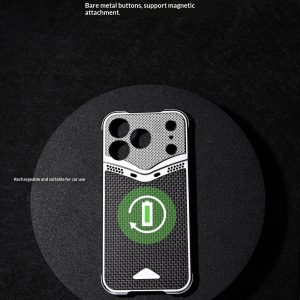
iPhone Cases — case. Designed for everyday carry and backed by our 30-day happiness guarantee.
How do you deal with sand and salt?
You cannot keep sand off a beach, but you can keep it out of the places that matter. A case that fits tightly, with no wide gaps around the camera or the buttons, gives grit fewer places to collect. If you take the phone onto the sand, keep it in a pouch or a zip pocket rather than loose on a towel, because a single gust or a wet hand can bury it in seconds. When you leave the beach, rinse the case with fresh water rather than wiping it with a dry cloth, since dry wiping drags salt and grit across the surface. Shake out the openings and let everything dry fully before you put the phone back. A quick fresh-water rinse at the end of each beach day is the single most useful habit for coastal trips. It takes a moment and prevents a season of wear. If you cannot rinse immediately, at least shake out the case and keep it away from the phone until you can.
Should you choose a case with covered ports?
Covered ports make a real difference on the coast. The charging port is the easiest route for sand and salt to reach the inside of the phone, and once grit is in there, a cable may not seat properly and charging can become unreliable. A case with a flap or a plug over the port keeps most of it out, and it takes only a second to open when you need to charge. The same applies to any other opening, such as a speaker grille or a card slot, since salt spray finds its way into anything uncovered. If you charge the phone often, check that the flap is easy to open with one hand and does not wear loose over time. A cover that seals well but opens easily is worth more than one that is awkward and gets left open. Look for a design you will actually keep closed.
How much grip and drop protection do you need?
Grip matters more on the coast than almost anywhere else, because hands are often damp, sandy, or covered in sunscreen. A smooth, glossy case is a poor choice here; a slightly textured or matte finish is far safer to hold. Drop protection is the other half of the equation, since phones are dropped on boardwalks, rocks, and tiles as often as on sand, and a hard landing can crack a screen. Look for raised edges around the screen and the camera, and a case that cushions the corners rather than sitting flush with the phone. If you often use the phone one-handed while carrying a bag or a drink, consider adding a strap or a grip accessory for extra security. Protection you trust lets you relax and enjoy the day.

iPhone Cases — case. Designed for everyday carry and backed by our 30-day happiness guarantee.
How do you keep a case looking good by the sea?
Salt, sun, and sunscreen all take a toll on how a case looks. Sunscreen is especially hard on soft finishes and light colors, leaving greasy marks that set in if they are not wiped away. Rinse the case with fresh water at the end of the day, then dry it with a soft cloth, and avoid leaving it in direct sun for long periods. If the case has metal parts, dry them carefully, since salt left to sit can dull the shine and stiffen hinges. Choose a color and finish that hide marks, or accept that a coastal holiday will leave its mark on a pale case. A clear case will yellow faster in strong sun, so expect that if you choose one. Regular rinsing is what keeps a case looking better for longer. A case you can clean quickly will always look better at the end of a trip than one that needs careful handling. For more, see our guide to protecting your phone at the beach.
What should you check before you buy?
Check the fit for your exact phone model, because a loose case lets grit in and a tight one can be hard to remove after a sandy day. Confirm that the port cover opens and closes easily, and that the buttons still press cleanly through the case. Look at the finish and think honestly about how it will age in sun and salt: matte and mid-tone colors hide marks better than glossy white. Consider whether the case works with a strap, a pouch, or a mount you already own, since these make coastal days easier. Check the return policy so you can swap it if the grip disappoints. For background, our guide to waterproof and water-resistant cases explains what a case can and cannot do. Buy for the coast you are actually visiting.
Frequently asked questions
- What is the best case for a beach holiday? One with a tight fit, covered ports, and a grippy, wipe-clean finish. That combination handles sand, salt, and sunscreen best.
- How do I keep sand out of the charging port? Choose a case with a port cover, and rinse and dry it at the end of each beach day rather than wiping it dry.
- Should I rinse my case with fresh water? Yes. A fresh-water rinse removes salt and grit. Dry it fully before putting the phone back in.
- Will a clear case yellow at the coast? Strong sun speeds up yellowing on clear cases. A solid, mid-tone case hides marks better over time.
- Do I need a waterproof case? Only if the phone may be submerged. For sand and splashes, a tight case with covered ports is usually enough.


