

A mountain walk is tougher on a phone than a walk around the block. The ground is uneven, the weather turns quickly, and the phone spends hours in a pocket or hand where it can be knocked, rained on, or dropped on rock. The case you carry for everyday use may not be the right one for a full day on a fell or a ridge. You want protection that survives a drop, grip that survives wet hands, and a design that does not fight you when you need to check a map or take a photo. This guide walks through what actually matters when the terrain gets serious.
- Prioritize drop protection and a raised screen and camera lip.
- Choose a case with real grip for wet, cold hands.
- Plan for rain with a case that sheds water or a pouch.
- Keep the case slim enough to fit a pocket or hip belt.
What does a mountain walk demand from a case?
It demands more than a city case. On a mountain you face three things at once: hard surfaces that crack screens, weather that soaks and chills, and cold hands that drop things. That means the case needs corner protection and a raised lip around the screen and camera, so the phone can survive a tumble onto rock. It needs grip, because cold, wet hands lose friction fast. It needs to keep water out where it can, or work with a pouch that does. It also needs to be slim enough to slide into a pocket or hip-belt pouch, because carrying a bulky phone in your hand all day is a nuisance. Balance protection against bulk, and favor the case that covers the risks you will actually meet.
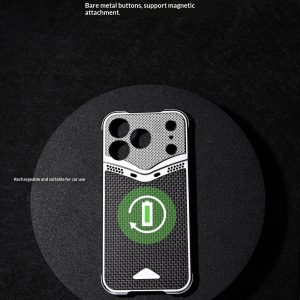
iPhone Cases — case. Designed for everyday carry and backed by our 30-day happiness guarantee.
How much grip and drop protection do you need?
Look for a case with reinforced corners and a raised edge around the screen and the camera module. Those two features prevent the most common mountain damage: a cracked screen from a face-down fall and a scratched lens from setting the phone on rock. A soft inner lining and a slightly flexible outer shell absorb shock better than a rigid, brittle one. Grip matters as much as protection, so favor a matte or textured finish over a glossy one, since it stays secure when your hands are damp or cold. Check that buttons remain easy to press with gloves on, because fumbling for a volume button mid-walk is frustrating. Test the case by giving it a gentle squeeze and checking the fit is snug. A case that shifts on the phone will not protect it well, so a snug fit is worth checking before you buy.
How do you handle rain and damp?
Rain on a mountain is not a matter of if but when, so decide how you will keep the phone dry. A case with a tight seal and covered ports helps, but most everyday cases are not fully waterproof, so treat them as splash-resistant at best. A simple pouch or a light cover adds a layer that keeps rain off and can be wrung out or dried. If you expect heavy weather, a proper waterproof pouch is the safer choice, and you can still use the touchscreen through most of them. Keep the phone in an inside pocket where body heat helps and rain cannot reach. Dry the phone and case at the end of the day, since moisture trapped in a case is what causes long-term damage. If you get caught out, our guide to keeping a phone dry in the rain has more detail.
What about camera and lens protection?
The camera module is the most exposed part of a modern phone, and on a mountain it is always at risk. A case with a raised lip around the lens stops the glass touching the ground when the phone is set down, which is where most lens scratches happen. A lens protector film or a small camera cover adds another layer, and it is cheap insurance against a scratch that softens every photo. Keep the lens clean, since dust and fingerprints are constant on a trail, and a smeared lens ruins shots that are otherwise fine. If your case is magnetic, check that a lens accessory does not block the camera view. Choose protection that lets you shoot quickly, because the best view is often the one you have seconds to capture.

iPhone Cases in Transparent. Designed for everyday carry and backed by our 30-day happiness guarantee.
How do you carry the phone comfortably on a long walk?
Comfort over distance comes down to where the phone lives. A hip-belt pocket or a chest pocket keeps the phone accessible and stops it bouncing against your leg. A pouch on a shoulder strap is another good option, and it keeps the phone out of the weather. If you prefer a pocket, choose a case that is slim and grippy, so it does not slide out when you bend or climb. A lanyard or strap can be a useful backup if you often have the phone out for photos, because it keeps the phone attached if you fumble. Avoid carrying the phone loose in a rucksack lid, where it can be crushed or forgotten. Think about how you will reach the phone when you need a map or a photo, and set up your carry so it takes one hand.
Should you use a waterproof case or a pouch instead?
It depends on the weather you expect and how much bulk you will accept. A fully waterproof case offers the best protection and lets you use the phone in the rain without worry, but it is usually bulkier and can muffle the speaker and reduce touch sensitivity. A regular case plus a pouch is lighter and more flexible, and the pouch can be used only when the weather turns. For a summer mountain walk with a mixed forecast, a tough everyday case and a small pouch is a practical combination. If you are walking near water, scrambling, or expecting all-day rain, a waterproof case is worth the extra bulk. Whichever you choose, check it before the trip and make sure the phone still fits and functions. For the wider picture on protection, see our guide to choosing a case that actually protects.
Frequently asked questions
- Is a waterproof case necessary for a mountain walk? Not always, but it is worth it if rain is likely or you are near water. Otherwise a tough case plus a pouch works well.
- What is the most important feature in a mountain case? Corner protection and a raised lip around the screen and camera, which prevent the most common damage.
- Will a bulky case fit in my pocket? Check before you buy. A slim case with good grip is easier to carry over distance.
- Should I use a lanyard on a walk? It helps if you often have the phone out, since it keeps the phone attached if you fumble.
- How do I keep the camera lens safe? Choose a case with a raised lens lip, add a protector film, and wipe the lens before shooting.


