
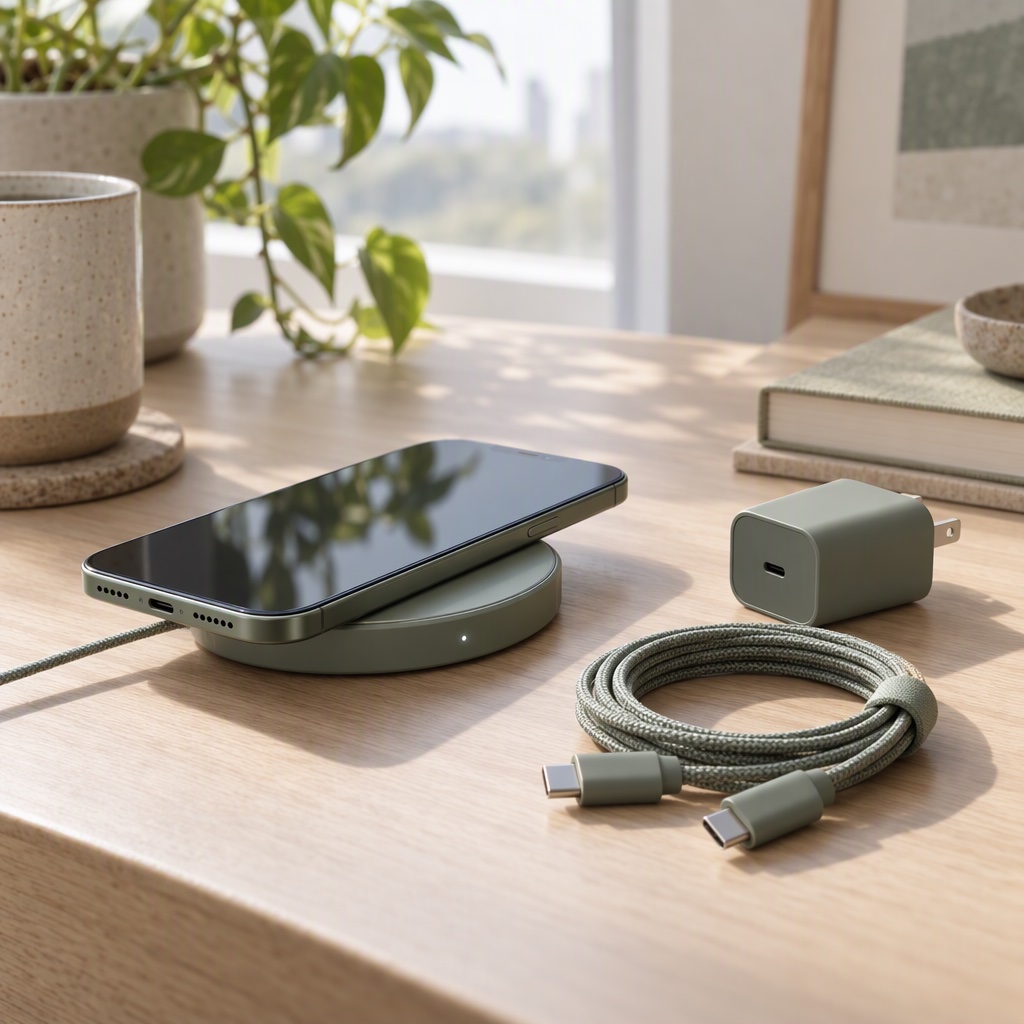
Charging a hot phone is not dangerous in the way many people fear, but it is not ideal either. A phone that is already warm will get warmer when you plug it in, because charging produces heat of its own. Most phones manage this by slowing the charge or pausing it until the temperature drops, so the risk is rarely a sudden failure. The real cost is wear: heat is hard on batteries over time, and charging while hot stacks one heat source on another. The sensible approach is to let the phone cool first whenever you can, and to charge more gently when the weather is warm. Understanding why heat builds up makes it easy to charge without worrying about every degree.
- Charging a warm phone is usually safe, but it adds heat.
- Let the phone cool before charging when you can.
- Slower charging produces less heat than fast charging.
- Wired charging usually runs cooler than wireless in a hot car.
Is it safe to charge a hot phone?
For a healthy phone, charging while warm is generally safe. The phone monitors its own temperature and will slow or pause charging if things get too hot, so a sudden problem is unlikely. The concern is cumulative rather than immediate. Every hour spent charging at a high temperature adds a little more stress to the battery, and that stress shows up as reduced capacity over months and years. So the goal is not to panic when you plug in a warm phone; it is to avoid making a habit of it. If the phone is only slightly warm, charging is fine. If it is hot to the touch or showing a warning, let it cool first. A moderate wall charger, such as a 35W GaN model, is a good everyday choice for keeping heat in check. It delivers enough power for most phones without pushing them to the limit. Match the charger to the phone rather than chasing the biggest number on the box.
MagSafe & Charging — charger. Designed for everyday carry and backed by our 30-day happiness guarantee.
Why does charging make a phone hotter?
Charging is not perfectly efficient. Some of the electrical energy going into the battery is converted into heat rather than stored charge, and that heat appears inside the phone. The charging circuitry, the battery itself, and the power management chip all warm up as they work. On top of that, if the screen is on or apps are running, the phone is producing heat from normal use at the same time. The result is two heat sources running together. In cool conditions the phone sheds that heat easily, but in a warm room or a hot car it cannot keep up. That is why charging in summer, or right after heavy use, feels so much warmer than charging overnight in a cool bedroom. If you want to compare methods, our guide to wired and wireless charging is a good starting point.
Does fast charging make it worse?
Fast charging pushes more power into the battery in less time, and moving more power generally produces more heat. That does not make fast charging unsafe, because the phone and charger negotiate and throttle as needed. But when the phone is already warm, fast charging can push the temperature up more quickly than a slower charge would. If you are charging in a hot place or right after a demanding session, a lower-power charge will run cooler and is often kinder to the battery. Speed matters most when you are in a hurry, and heat matters most when the phone is already under stress. When the two conflict, choose the cooler option and let the phone take a little longer to fill up. The difference in charging time is usually small compared with the benefit of a cooler battery.
Is wireless charging hotter than wired?
Wireless charging is typically less efficient than a wired connection, and the energy that is not stored as charge tends to appear as heat. The coils in the phone and the pad both warm up, and a slight misalignment between them makes it worse. In a hot car or a warm room, that extra heat can matter, so a wired connection is often the cooler choice on a hot day. A multi-port GaN charger with a good cable can power several devices while keeping each one on a steady, efficient charge. Wireless charging is convenient and tidy, and there is nothing wrong with using it, but if your phone already runs warm, plugging in a cable is the safer bet. Either way, keep the charging surface clean, since dust between the coils wastes power as heat. A clean, well-aligned pad runs noticeably cooler than a messy one.
MagSafe & Charging — charger. Designed for everyday carry and backed by our 30-day happiness guarantee.
What should you do if a phone is hot and charging?
Unplug it. That single step removes one of the two heat sources immediately. Take the case off if it is thick, and move the phone out of direct sun and off any hot surface. If the screen is on, turn it off, and close any demanding apps. Let the phone sit in the shade with air moving around it until it feels normal again, then resume charging if you still need to. Do not put it in a fridge or against ice, because rapid cooling can cause condensation inside. If the phone keeps pausing charging on its own, take that as a signal that the conditions are too warm and change them rather than fighting the phone. If it keeps happening, our article on cooling a phone down quickly covers the next steps.
How do you charge safely in summer?
Charge when the phone is cool and not while it is running heavy tasks. Keep it out of direct sun during charging, and avoid charging in a parked hot car. Prefer a slower charge when the phone is warm, and use a wired connection rather than wireless if heat is a concern. Take the case off if the phone tends to run hot, and place it on a hard surface so air can reach the back rather than on a bed or cushion. Charge overnight only in a cool room, and avoid leaving a phone on a charger in the sun. These habits keep the battery cooler, which is one of the simplest ways to help it last longer. A cooler battery holds its capacity for longer, so gentle charging is a small investment in the phone’s future. None of these habits is difficult, and together they make a real difference.
Frequently asked questions
- Can a phone catch fire from charging while hot? Serious incidents are rare and usually involve damaged batteries or faulty accessories. A healthy phone throttles charging when it gets too warm.
- Why does my phone stop charging by itself? It is usually a heat pause. Let the phone cool and try again once the temperature drops.
- Is it fine to charge overnight? Yes, in a cool room and on a hard surface. Avoid charging overnight in hot conditions or under a pillow.
- Does a case affect charging heat? A thick or insulating case slows heat loss. Removing it while charging helps a warm phone stay cooler.
- Should I use a lower-wattage charger in summer? If the phone already runs warm, a slower charge produces less heat and is gentler on the battery.


