
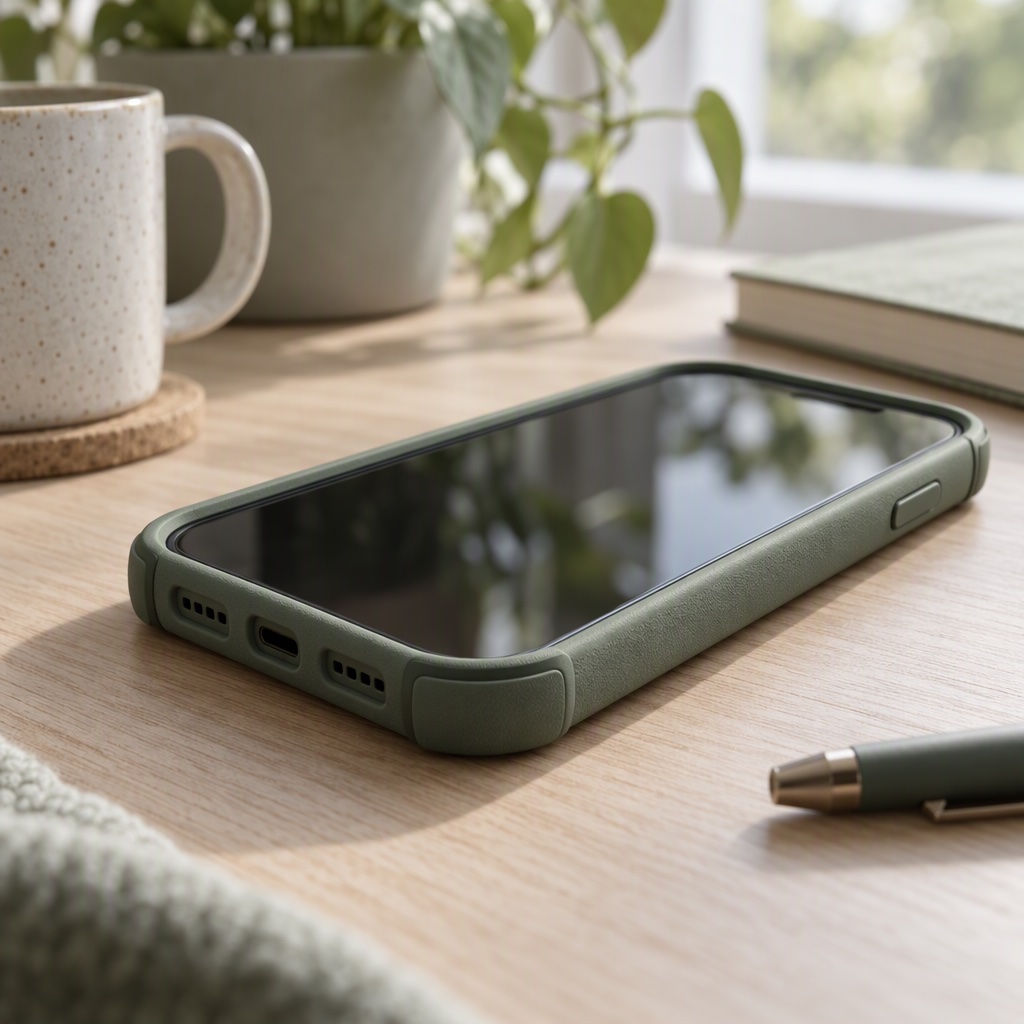
Sunscreen is one of the quiet causes of a phone case looking old before its time. People expect wear from drops and scratches, but not from the lotion on their hands, yet repeated contact with sunscreen can dull a finish, soften a coating, and leave a stubborn film that no amount of wiping seems to shift. Whether that counts as damage depends on the material and how long the residue sits. The good news is that most of it is preventable with a simple habit, and much of the early marking can be cleaned away before it becomes permanent, so the damage is rarely as bad as it first looks. Knowing what to look for helps you act early, before a small annoyance turns into a case you no longer want to use.
- Sunscreen residue is more likely to mark a case than to ruin it.
- Soft, matte, and leather finishes show it more than hard plastic.
- Clean the case the same day to stop residue setting in.
- Replace a case when the surface stays tacky or the coating peels.
Does sunscreen actually damage a case?
The word damage is doing a lot of work here, so it helps to be precise. A single day of sunscreen on a case does not destroy it. The problem is cumulative: lotion left on the surface for days or weeks can slowly dull a glossy finish, soften a rubberized coating until it feels sticky, and work into the seams where it collects grit. On leather, the oils can darken the surface unevenly and leave a patchy sheen. On clear cases, the residue clouds the plastic so it looks permanently hazy. So the honest answer is that sunscreen rarely ruins a case in one go, but it can age one faster than normal use, especially if you never clean it off. Treat it as something to remove promptly rather than a disaster to fix later.
iPhone Cases — case. Designed for everyday carry and backed by our 30-day happiness guarantee.
Which materials suffer most?
Some materials shrug off sunscreen better than others. Hard polycarbonate cases tend to wipe clean fairly easily, though repeated exposure can dull a glossy surface. Soft, rubbery, or soft-touch coatings are the most vulnerable, because the lotion soaks into the textured surface and is hard to remove, and the coating itself can become tacky over time. Matte finishes show fingerprints and residue more than glossy ones, even though they hide scratches better. Leather is in a category of its own: it absorbs oils, so sunscreen can darken it and leave marks that are difficult to lift. Clear cases are the most unforgiving, because any residue shows immediately against the transparent plastic and makes the whole case look cloudy. If you use sunscreen often, a hard, smooth case is the easiest to keep clean.
What are the early warning signs?
Catching the problem early is the difference between a quick clean and a permanent mark. The first sign is usually a tacky feel, where the case no longer slides smoothly in your hand but grips slightly. Next comes a dull or hazy look, especially on clear cases, where the surface loses its clarity even after a wipe. On leather, watch for uneven darkening or a sheen that does not match the rest of the surface. You may also notice that dust and sand cling to the case more than usual, because a greasy surface holds onto grit. If a wipe with a damp cloth no longer restores the surface, the residue has started to set in. Acting at the tacky stage, before the finish dulls, gives you the best chance of a full recovery.
Can a damaged case be fixed?
Whether a case can be fixed depends on how far the damage has gone. Light residue, a dull film, or a slightly tacky surface can often be improved with a gentle clean using mild soap and a microfiber cloth, working around the seams and cutouts. If the finish has dulled permanently or the coating has begun to peel, cleaning will not bring it back, because the surface itself has changed. Leather that has darkened unevenly is difficult to correct, though a dedicated leather conditioner may even out the tone slightly. Clear plastic that has clouded rarely recovers its original look. In many cases the practical answer is that a case which is merely marked is still perfectly usable, and only you can decide whether the look bothers you enough to replace it. For cleaning methods, see how to clean a phone case properly.
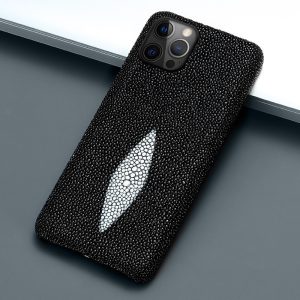
iPhone Cases — case. Designed for everyday carry and backed by our 30-day happiness guarantee.
How do you prevent sunscreen damage?
Prevention is simple and takes seconds. Apply sunscreen, let it dry fully, and wash your hands before you pick up the phone, which removes most of the transfer. At the beach or pool, keep the phone in a pouch or a bag rather than in a lotion-covered hand, and wipe the case at the end of the day so residue does not build up. Choose a case material that resists oils if this is a frequent issue, and keep a cleaning cloth in your bag for quick wipes when you are out. If you use leather, be extra careful, since it absorbs oils more readily than plastic and is harder to clean without marking. A small amount of care after each use is far easier than trying to reverse weeks of build-up, and it takes only a moment.
When should you replace the case?
Replace the case when cleaning no longer helps and the surface affects how the case performs, not just how it looks. If the coating has become permanently tacky, it will hold grit that can scratch the phone underneath, which is a real reason to replace it. If the finish is peeling or flaking, the loose material can get into ports. If the case no longer grips the phone firmly, or a corner has stretched, it is no longer doing its main job. A case that is simply a little dull or slightly marked is usually fine to keep. If your case is leather and needs more care, read how to take care of a leather phone case, which covers cleaning and conditioning without making marks worse. Standard delivery takes ten to twenty business days, and orders over thirty-five dollars ship free.
Frequently asked questions
- Will sunscreen ruin my phone case? Not usually in one day. Left uncleaned, it can dull the finish and make a coating tacky over time, so wipe it off promptly.
- Which case material resists sunscreen best? Hard, smooth plastics wipe clean most easily. Soft-touch coatings and leather absorb oils and show marks sooner.
- Can I repair a dulled or tacky case? A gentle clean may help with light residue. If the finish has changed permanently or the coating is peeling, it usually cannot be restored.
- Does sunscreen damage leather cases? It can darken leather unevenly and leave marks, since leather absorbs oils. Clean it gently and promptly, and keep it dry.
- How long does delivery take? Standard tracked delivery takes ten to twenty business days, and orders over thirty-five dollars ship free with a thirty-day returns window.


