
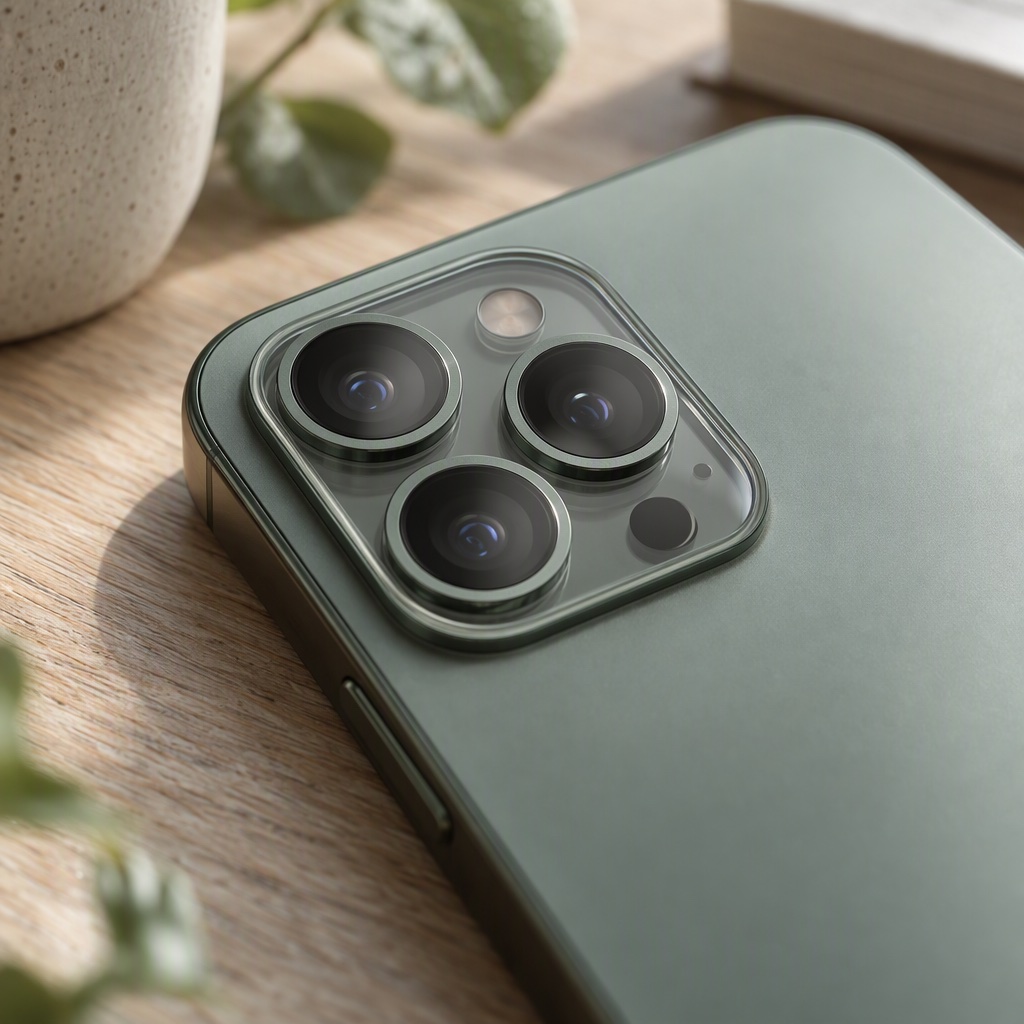
Rain is one of the most flattering conditions a phone camera gets. Wet surfaces reflect light, colors deepen, and puddles turn ordinary pavement into a mirror, while the soft overcast light flatters faces far better than harsh midday sun. The difficulty is not image quality — it is keeping water off the lens and keeping the phone dry enough to keep shooting. A single droplet on the lens smears every frame into a soft blur, and on a small screen it is easy not to notice until you are home. So the technique matters more than the settings: shield the lens, keep a cloth handy, and shoot in short bursts between wipes.
- Rain gives you soft light and rich reflections — the challenge is water on the lens, not the camera itself.
- Wipe the lens with a clean microfiber cloth before every shot, using a fresh part of the cloth each time.
- Shoot in short windows under cover, brace the phone, and avoid digital zoom in low light.
- Dry the phone thoroughly afterward, take the case off, and do not charge it until the port is dry.
Can you take good photos in the rain?
Yes — rain is one of the most flattering conditions a phone camera gets. Wet surfaces reflect light, colors deepen, and puddles turn ordinary pavement into a mirror. Overcast rain light is soft and even, which flatters faces far more than harsh midday sun. The difficulty is not the image quality; it is keeping water off the lens and keeping the phone dry enough to keep shooting. A single droplet on the lens smears every shot into a soft blur, and it is easy not to notice on a small screen until you get home. So the technique matters more than the settings: shield the lens, keep a cloth handy, and shoot in short bursts between wipes rather than standing in the open for a long session.
How do you keep water off the lens?
This is the single most important part of rain photography. A droplet sitting on the lens acts like a tiny, badly shaped lens of its own, scattering light and softening the whole frame. Wipe the lens with a clean, dry microfiber cloth before every shot, and use a different part of the cloth each time so you are not spreading water around. A lens protector film over the camera helps, because it gives you a sacrificial surface to wipe without touching the actual lens glass, and it is far cheaper to replace than the camera. If you are shooting for a while, keep the phone angled slightly downward between shots so gravity helps water run off rather than settle.
What camera settings help in wet, low-light conditions?
Rain usually means cloud, and cloud means less light, so the first thing to do is keep the phone steady rather than pushing the sensitivity higher. Brace your elbows against your body, lean against a wall, or use a stand if you have one. Avoid digital zoom, which amplifies both noise and any blur from a wet lens. Tap to focus on the point you want and let the exposure settle before you shoot, rather than tapping and firing in the same motion. If your phone has a night or low-light mode, it will help with a static scene, but it needs the phone to be still — that is not the moment to shoot handheld in the rain. Expose for the highlights so wet reflections do not blow out. If your phone has a grid overlay, turn it on — a level horizon is hard to judge through a rain-streaked screen, and reflections make a slope look wrong.
How do you protect the phone while shooting?
An umbrella helps the photographer more than the phone, but it does keep most rain off if you hold the phone close to your body under the canopy. A coat with a deep hood works the same way. If you are shooting one-handed, keep the phone in a case with a grip or a strap so a wet hand does not lose it, and never balance it on a wet railing. Between shots, put the phone away in a zipped inner pocket rather than holding it out in the rain. If you plan to be out for a long time, a pouch is worth the trouble, and a lens protector film saves you from wiping the camera glass a hundred times. Shoot in short windows rather than standing in the downpour.
Screen & Lens Protection — camera lens. Designed for everyday carry and backed by our 30-day happiness guarantee.
What can you photograph in the rain that looks good?
Look for reflections first — puddles, wet asphalt, and polished stone all turn into mirrors, and a low angle makes the most of them. Wet leaves, flowers, and railings hold droplets that catch the light, and a close shot with the phone braced or on a small stand works better than a wide one. Street lights and shop windows glow beautifully through rain, and shooting from under an awning gives you a dry vantage point with a wet subject in front. Umbrellas, wet market stalls, and people hurrying with their shoulders up all read as rain without any explanation. Avoid photographing rain itself against a bright sky; let wet surfaces and reflections tell the story instead.
How do you dry everything afterward?
When you get back inside, dry the phone before you do anything else. Wipe the body and the lens with a clean cloth, shake it gently with the charging port facing down, and leave it in a warm, dry room for a few hours with the ports down. Take the case off and let it dry separately, since water hides in the seams and around the camera opening. Wipe the lens protector film or remove it if water has worked underneath, and swap the cloth you used for a dry one. Do not charge the phone until you are confident the port is dry. And resist the urge to warm it on a radiator, which stresses the battery and can push moisture deeper inside. For technique, see how to take better photos with your phone and how to keep your phone dry in the rain.
Frequently asked questions
- Can a phone camera be damaged by rain? The camera itself is usually well sealed. The real risks are water sitting on the lens, working into the camera surround, or reaching the charging port.
- Should I use zoom in the rain? Optical zoom is fine if the phone is steady. Avoid digital zoom, which magnifies blur from a wet lens and adds noise in low light.
- How do I stop the lens fogging up? Let the phone adjust to the temperature before shooting, and avoid moving it from a cold bag into a warm, humid place. Fog clears once the phone warms up.
- Is a lens protector film worth it in the rain? Yes. It gives you a wipeable surface over the camera, so you are not polishing the actual lens glass over and over.
- Can I use a tripod in the rain? A small stand helps for static scenes and low light. Keep the phone covered between shots, and dry the whole setup thoroughly afterward.


