
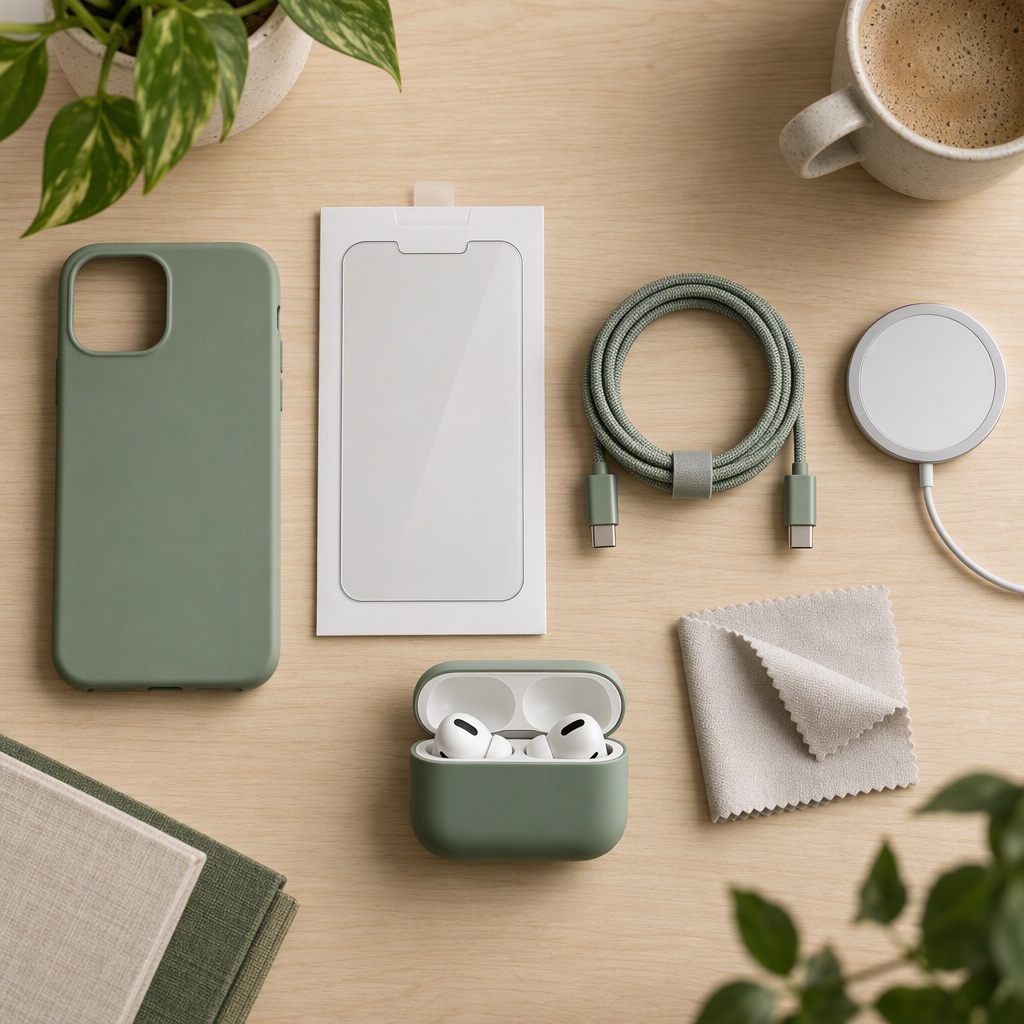
Cold weather is hard on phone batteries, and the usual symptoms are a phone that suddenly shows low charge, runs slowly, or switches off while the indicator still reads half. You cannot fix battery chemistry, but you can slow the effect down: carry the phone against your body, add a layer of insulation, and let it warm up before you charge it. Condensation is the other winter risk, and a simple sealed bag solves most of it.
- Carry the phone in an inner pocket or pouch against your body, not an outer pocket.
- A case or pouch adds insulation; thicker materials do more than thin plastic.
- Let a cold phone warm up indoors before charging it.
- Seal it in a bag until it reaches room temperature to avoid condensation.
Why does my phone die so fast in the cold?
Batteries produce power through a chemical reaction, and cold slows that reaction down. The battery is not actually empty — it is temporarily unable to deliver the charge it is holding, which is why a phone that dies at thirty percent often comes back to life once it warms up. The phone can also shut itself down deliberately when it detects a battery too cold to work safely, which looks dramatic but is protective. The practical takeaway is that winter battery life is about keeping the phone warm in the first place, not about finding more charge, because the charge is there — the cold is the barrier. None of this means the battery is faulty — the same phone behaves very differently at room temperature. A case with a raised lip also keeps the screen off snow, which is a small thing that matters when you are checking a map in bad weather.
iPhone Cases — case. Designed for everyday carry and backed by our 30-day happiness guarantee.
Where should I carry it?
An inner pocket, against your body, is the warmest spot you have. A phone in a coat’s outer pocket is exposed to wind and ambient temperature the whole walk, while the same phone against a layer or two of clothing and your own body heat stays close to working temperature. Chest height is better than hip height, and a zipped pocket is better than an open one. If you carry a bag, an insulated pouch or a padded pocket beats the outside of the bag, especially in wind. The goal is to shorten the phone’s exposure as much as your outfit allows, because a warm phone behaves like a normal phone. Keep the phone in an inside pocket rather than an outer one, because body heat is the most reliable source of warmth you will ever have.
Does the case actually help?
A little, and more than you would guess for a thin layer. A case traps a pocket of air around the phone’s back and edges, which insulates it from the worst of the wind chill, and thicker materials do that better than slim plastic ones. Leather and fabric-lined covers are noticeably better than bare metal or glass, because they do not conduct heat away from the phone quickly. What a case cannot do is generate warmth — it only slows the loss — so it works best combined with an inner pocket. Our guide to choosing a phone case for cold weather goes through which materials help most. Batteries produce less current when cold, so a reading that drops quickly in winter is usually a temperature effect rather than a failing cell.
What about power banks in the cold?
They suffer from the same chemistry, and they get overlooked because they spend the walk buried in a bag against the cold. A power bank kept next to your body will happily recharge a phone, while the same bank left in an outer pocket may refuse to output or deliver far less than expected. If you rely on one for a long winter walk, keep it in an inner pocket too, and bring it indoors to warm up before you use it. A small pouch that holds the phone and a slim bank together inside your coat is the simplest way to solve both problems with one accessory. A lanyard or a strap reduces the number of times you take the phone out to check it, and each of those is a chance to drop it.
How do I avoid condensation when I get indoors?
Seal it until it warms up. When cold air meets a warm phone, moisture from the air condenses on the surface, and water inside a phone is a far bigger threat than the cold ever was. The fix takes seconds: slide the phone into a zipped bag or a freezer-style pouch before you come inside, and leave it sealed until the phone reaches room temperature. Then take it out, wipe it dry, and use it normally. The same logic applies to glasses and cameras, and it is the single most useful cold-weather habit for anyone who carries electronics. Our guide to preparing your phone for the colder months covers the rest of the seasonal checklist. Condensation is the greater risk when you come indoors, so leave the phone in a closed bag for a few minutes to warm up gradually.
Is it safe to charge a cold phone?
It is better to wait. A very cold battery charges reluctantly, and pushing current into one that is below its comfortable range stresses it and charges inefficiently. Ten minutes on a warm shelf is usually enough to bring a cold phone back into a workable range, at which point charging behaves normally. If a phone is cold and nearly empty, the priority order is warm first, then charge — and if you must choose, a warm phone with a low battery will outlast a cold one being forced to accept a charge.
Frequently asked questions
- Will a case keep my phone warm? It insulates a little and helps your body heat do the work, but an inner pocket does most of the job. A case is the second layer of the solution, not the solution itself, and thicker materials help more than slim plastic ones on a windy day.
- Do hand warmers help? Body heat is the safest source. Anything hot enough to noticeably warm a phone can also overheat it in a sealed pocket, so keep any heat source indirect and never press a hot warmer directly against the device or put one in a sealed bag with the phone.
- Why did my phone shut down at thirty percent? Cold temporarily reduces the charge a battery can deliver, and the phone shuts down to protect itself. It usually recovers once warm, but treat a cold shutdown as a clear signal to move the phone somewhere warmer immediately rather than a battery failure.
- Is it bad to use the phone outdoors in the cold? Using it drains the battery faster, and the screen is working hardest in bright winter light. Save the camera for the views worth capturing, keep sessions short, and put it back in the warm pocket between uses rather than reading on the move.
- Should I take the case off when I get indoors? Not strictly, but let a damp case dry fully before refitting it. Trapped moisture between case and phone is a bigger winter risk than the cold itself, which is why the sealed-bag habit matters more than any accessory you can buy.


