
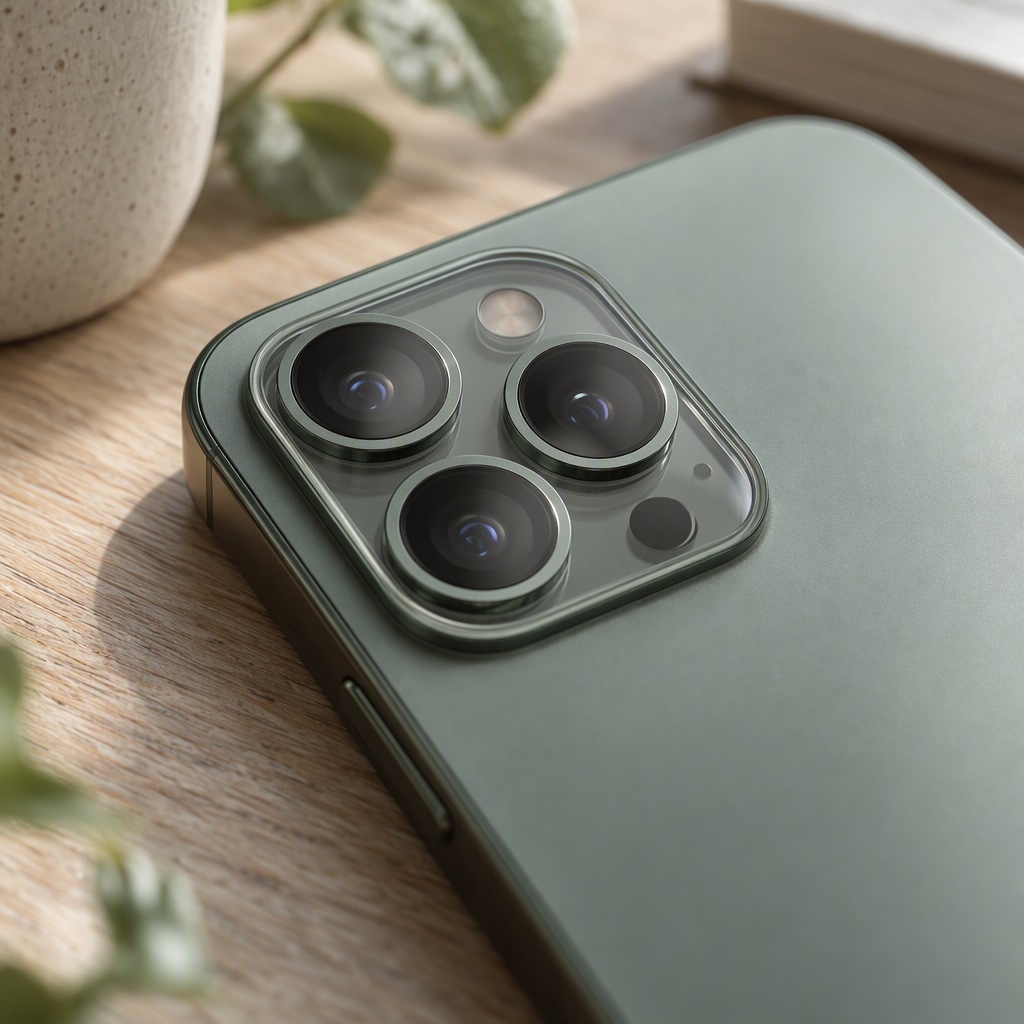
A phone can go to the pool, but it should not go into the water casually. Pool water is chlorinated, the deck is wet and slick, and a phone that slips is usually gone for good. The sensible approach is to keep the phone out of the water unless it is properly sealed, and to treat underwater shots as a deliberate, brief exercise rather than something you do all afternoon. With the right pouch and a couple of habits, you can get the pool photos you want and still take a working phone home.
- Keep the phone out of the water unless it is in a sealed pouch.
- Chlorine and salt are both hard on seals, so rinse everything afterwards.
- Shoot from the pool edge or in the shallow end rather than swimming with it.
- Dry your hands before you touch the phone or the pouch window.
Can you take a phone into a swimming pool at all?
Yes, with care and the right protection. A phone on a poolside table is fine, and one in a sealed pouch can be held at the surface or briefly submerged. What you should not do is rely on the phone’s own water resistance for a long session in the water, because that resistance is designed for accidents rather than recreation. Pool water also carries chlorine, which is harder on seals and coatings than fresh water. If the phone is not in a sealed pouch, keep it on a towel in the shade and take photos from the edge. If it is in a pouch, keep the sessions short, keep a firm grip, and stay where you can stand. That combination gives you good photos without gambling on the phone.
What do you need to protect the phone in the water?
A sealed pouch with a secure closure is the first requirement, and a strap or float attached to it is the second. The strap matters as much as the pouch, because a dropped phone that sinks is gone even if it stays dry. Check the closure before you get in, and keep sand and grit away from the seal, since a single grain can hold it open. A pouch with a clear window lets you use the touchscreen through the plastic, though it will feel less responsive than bare glass. Test the pouch at home first with a tissue inside, so you know the seal works before you trust it with a phone. If the pouch is old or stiff, replace it rather than risk the day.
How do you take photos in the water without ruining them?
Shoot in the shallow end or from the pool edge, where you can stand and hold the phone steady. Water magnifies and distorts, so a subject a short distance away can look oddly stretched; get closer than you would on land and keep the camera near the surface rather than deep. Light falls off quickly underwater, so photos taken more than a short distance below the surface look flat and blue unless the sun is directly overhead. Take several shots rather than one, because water movement means the framing changes between frames. And keep the phone level, since tilting it underwater makes the horizon look wrong. Our guide to taking underwater photos with a phone covers the technique in more detail.
What about photos of people swimming?
Most of the best pool photos are taken from the side, not from in the water. Stand at the edge, brace yourself, and shoot as people surface or climb out, which gives you faces, water, and movement in one frame. Ask people to swim towards you rather than away, so you get their faces instead of their backs. A grip attached to the case helps when you are holding the phone one-handed while steadying yourself with the other, and it reduces the chance of a slip. Shoot in short bursts around the moment of action rather than holding the camera up for a long time. If someone is diving, wait for the moment they break the surface, which is more interesting than the splash itself.
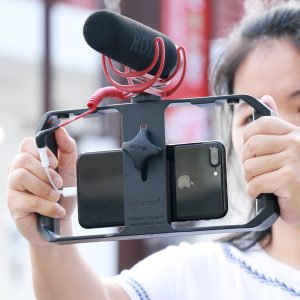
Grips & Ring Holders — holder. Designed for everyday carry and backed by our 30-day happiness guarantee.
How do you handle the light and reflections at a pool?
Pool light is bright, reflective, and full of contrast. Water reflects the sky, so a photo taken at a low angle often shows more reflection than subject. Move so the sun is behind or beside you and shoot across the water rather than straight into it. Hard midday light makes deep shadows and blows out the bright water, so the early evening is easier, when the light is lower and warmer. Watch for lens flare from the sun reflecting off wet skin and water, and change your angle if it appears. If you are shooting into the water, the reflection on the surface will hide what is underneath unless you get very close and shoot almost straight down. A shaded spot at the pool edge is often the best place to stand, because it keeps you and the screen out of the glare and lets you judge the exposure properly.
What should you do with the phone afterwards?
Rinse the pouch with fresh water, dry it, and check the seal before you store it. Chlorine and salt both attack the materials, and a quick rinse removes most of the risk. If the phone itself got splashed, wipe it with a soft damp cloth and dry it fully, paying attention to the ports and the speaker openings. Do not charge a phone that is wet or warm, and do not put it in a bag with damp towels. If the phone was in a pouch, open the pouch away from the water so no drips get inside, and let both dry fully before the next trip. A few minutes of care at the end of the day keeps the setup working all summer. Our notes on summer phone photography at the pool pick up the same thread.
Frequently asked questions
- Is chlorinated water bad for a phone? Chlorine is harder on seals and coatings than fresh water and leaves a residue as it dries. Rinse the pouch and wipe the phone with fresh water afterwards, and keep the phone out of the pool unless it is sealed.
- Can I use the touchscreen through a pouch in the water? Usually yes, but the plastic reduces sensitivity and water on the surface can confuse it. Dry your hands and the window, and expect to press a little more firmly than usual.
- Will a waterproof phone survive a pool without a pouch? Its resistance is designed for accidents, not for repeated submersion, and chlorine adds stress. For planned pool photography, a sealed pouch is the safer choice whatever the phone claims.
- How do I stop water droplets ruining the shot? Wipe the window with a soft cloth, shoot from just above the surface rather than through it, and take several frames so you can pick one without droplets in the way.
- What if water gets inside the pouch? Take the phone out immediately, turn it off, and let it dry in the open air rather than charging it. Do not use heat or a hair dryer, and give it time before you power it back on.


