

Riding to work every day is hard on a phone. It gets shoved into a bag with a lock and a spare tube, bounced over potholes, rained on, and handled with gloved or sweaty hands. A case that is fine for a quiet desk can come apart under that routine within a season. The right case for a bike commute is the one that stays on through vibration, wipes dry quickly, and does not turn your phone into a bar of soap when your hands are wet. Everything else is a detail.
- Grip matters more than looks when your hands are wet or gloved.
- A raised lip around the screen and camera survives a bag full of tools.
- Choose a material that dries fast and wipes clean.
- Add a strap or tether if the phone rides loose in a pocket.
What does a bike commute do to a phone?
A commute exposes a phone to a pattern of wear that a desk never does. The biggest risk is not a dramatic crash but constant low-level vibration, which works loose anything that is only lightly attached and slowly wears down soft materials. Add to that the grit and road spray thrown up by traffic, which gets into seams and behind buttons, and the occasional knock when the phone is dropped onto pavement at a light. Heat matters too, because a phone in a bag against your back on a warm ride gets warmer than you would expect. A case for this kind of use needs to hold on tightly, keep grit out, and tolerate being wiped down often without losing its finish. Choose for the ride you actually do, not the one you imagine on a sunny weekend.
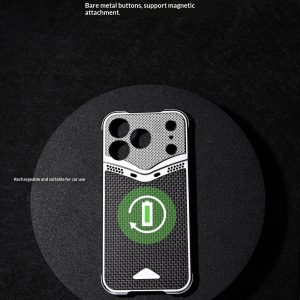
iPhone Cases — case. Designed for everyday carry and backed by our 30-day happiness guarantee.
Which case material survives daily riding?
For daily riding, the most practical materials are flexible ones that grip rather than slide. A soft, slightly rubbery outer layer holds on to a damp palm and absorbs small knocks, while a firmer shell underneath stops the case from flexing away from the phone. Hard, glossy plastic looks smart but becomes slippery when wet, which is exactly the wrong quality on a bike. Leather-look finishes are fine in dry weather but need more care if you ride through rain, since water marks them more easily. Whatever you choose, check that the case hugs the corners tightly, because a loose corner is the first thing to peel away under vibration. A snug fit is more important than any single material claim on the label, so handle the case before you commit to it if you can.
How much grip do you need?
On a bike, grip is the whole point. You may need to check a map at a light, answer a call, or take the phone out one-handed while holding the handlebar, and all of that is harder when the case is smooth. Look for a texture on the back and sides rather than a mirror finish. Raised ridges, a slightly matte surface, or a soft-touch coating all help. If you ride with gloves, test whether you can still grip and press the buttons, because some cases become awkward with thicker gloves. A case that feels secure in a bare hand can still be slippery in the rain, so think about the worst conditions you ride in, not the best, when you decide how much grip you actually need. A little extra texture is rarely a mistake on a commuter case.
Should you carry the phone on you or on the bike?
Both approaches work, and the choice depends on how you ride. Carrying the phone on your body keeps it warmer in cold weather and means it stays with you if you stop and walk away from the bike. The risk is that a pocket phone can fall out, especially in loose clothing, so a zipped pocket or a strap helps. Mounting it on the handlebar keeps it visible for navigation, but it takes the full force of every bump and is exposed to rain and spray. If you mount it, use a holder built for the job rather than a case alone, and consider a tether as a backup. Many riders do both: phone on the bar for navigation, spare phone or wallet in a bag. Our guide to choosing a handlebar phone holder covers the mount side.
How do you protect against rain and sweat?
Rain and sweat both find their way into places a case does not cover, so the goal is to keep the phone dry rather than to rely on the case alone. A case with tight seams and covered buttons slows water down, but no ordinary case is waterproof, so if you ride in heavy rain, plan to keep the phone inside a bag or a waterproof pouch. Sweat is the quieter problem: it gets under the case and leaves a residue that can mark the finish and, over time, work into the ports. Wiping the phone and case down after a ride helps, and letting both dry fully before you put the case back on stops moisture sitting against the phone. For wet-weather habits, see how to keep your phone dry in the rain, which covers pouches, bags, and what to do if the phone does get wet.
What should you check before you buy?
Before you order, confirm three things. First, that the case is made for your exact phone model, because a near-match can block a port or leave a corner exposed. Second, that the buttons and charging port are easy to reach with the case on, since you will often be operating the phone one-handed. Third, that the camera sits behind a raised lip, because a scratched lens is costly and annoying to live with. If you plan to charge on the go, check that the case does not block a wireless charging pad. Finally, note the delivery time: standard tracked shipping takes ten to twenty business days, orders over thirty-five dollars ship free, and there is a thirty-day returns window if the fit is wrong.
Frequently asked questions
- Is a normal case enough for cycling? For short, dry rides, usually yes. For daily commuting in any weather, choose a grippier case with tight corners and consider a tether or mount.
- Will vibration damage my phone? A snug case reduces the effect, but the biggest protection is a proper mount rather than a loose one. Keep the phone securely attached either way, and check the mount fittings now and then.
- Can I charge my phone while riding? You can, but running a cable to a handlebar phone adds risk in rain. If you do, keep the port dry and use a short cable that will not snag.
- Are leather cases good for a bike commute? They look smart but mark easily in wet weather. A flexible, easy-wipe case is more practical if you ride in all conditions.
- How long does delivery take? Standard tracked delivery takes ten to twenty business days, and there is a thirty-day returns window if the case does not fit.


