
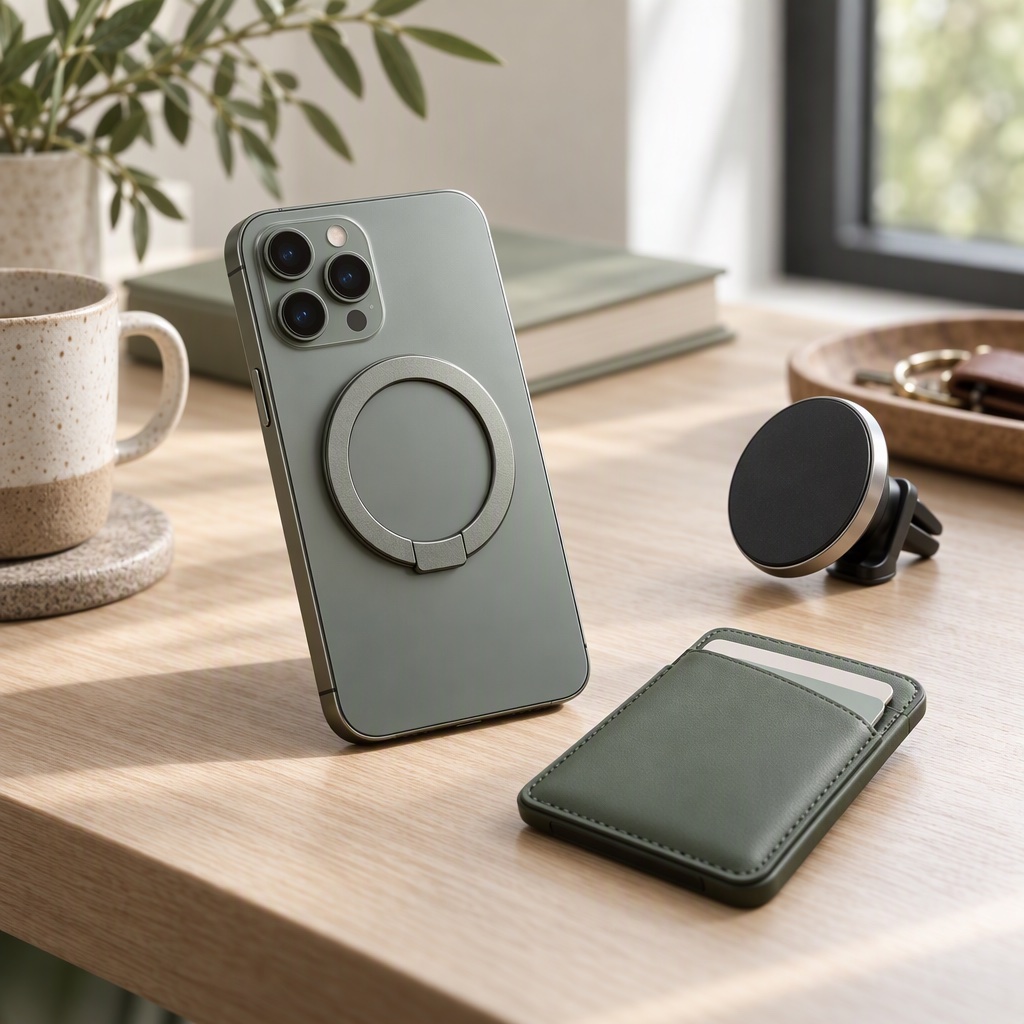
If your phone slides off a magnetic charger or a magnetic mount will not hold, the case is often the reason. Magnetic accessories need two things to work: magnets close enough to grab, and a clear path through the case for the field. A case that puts too much distance between the phone and the accessory, or that contains the wrong material, will weaken the connection until it barely holds. The good news is that the problem is easy to diagnose and easy to fix once you know what to look for, and the fix is usually cheaper than replacing the case.
- Thick cases and cases with metal plates block the magnetic field.
- Distance matters most — even a few extra millimeters weaken the pull.
- A case made for magnetic use has its own magnets built in.
- If a mount or charger slips, test the phone without the case first.
Why does a case block magnetic charging at all?
Magnetic charging and mounting depend on the phone’s magnets, or the magnets in a magnetic ring, reaching through the back of the case to grip the accessory. Anything between the two surfaces adds distance, and magnetic force falls off quickly with distance. A thin case barely changes the pull, but a thick one weakens it enough that the phone slides or the charger stops. Cases that include a metal plate — often sold for older magnetic car mounts — are a bigger problem, because the plate can shield the field instead of passing it through. So the case is not blocking the magnet in some mysterious way; it is either adding too much gap or interrupting the path. Once you understand that, the fix is usually obvious.
iPhone Cases — case. Designed for everyday carry and backed by our 30-day happiness guarantee.
What materials block the magnetic field?
Most case materials are fine. Silicone, rubber, polycarbonate, and leather are all effectively transparent to a magnetic field, so a case made from any of them can pass it through. The trouble comes from metal. A steel plate or a foil layer inside the case will interfere with both the pull and the charging field. Some cases include a metal ring to make an older phone magnetic, which is fine as long as it is positioned correctly, but a solid metal sheet is not. Very thick padding, dense foam, or a bulky battery bump can also push the phone too far from the accessory. So when a case fails, look for metal first and bulk second, and check the thickness over the charging area in particular. A case can be perfectly compatible everywhere except a raised camera bump that lifts the phone off the pad.
How thick is too thick?
There is no single number, because it depends on the strength of the magnets and the accessory. As a rule, the thinner the back of the case, the stronger the connection. A case a millimeter or two thick usually works well, while a heavy-duty case with thick rubber and a raised back may not. The shape matters as much as the thickness: a case that is thin over the charging area but thick elsewhere can still work, which is why many protective cases thin the back panel deliberately. If you can feel the phone’s own magnets faintly through the case with a paper clip, the field is getting through. If you cannot, the case is probably too thick. That simple test beats guessing from the product photos, and it takes seconds.
What should you look for in a magnetic-compatible case?
Look for a case that states it works with magnetic accessories, and check whether it has magnets built into the back. A case with its own magnet ring gives a strong, consistent connection and does not rely on the phone’s magnets alone. If the case has no magnets of its own, it needs to be thin enough over the back for the phone’s field to reach through. Avoid any case with a metal plate unless the plate is designed as a magnetic ring and positioned correctly. A leather case with a magnetic back can be a smart choice for everyday use, because it protects the phone, feels good in the hand, and still grips a mount or charger reliably. Our guide to whether magnetic cases are worth it weighs up the trade-offs.
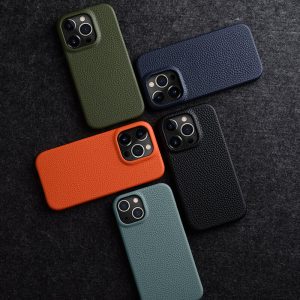
iPhone Cases — case. Designed for everyday carry and backed by our 30-day happiness guarantee.
What can you do if you already own a case that blocks it?
Test first: take the case off and try the accessory again. If it works perfectly without the case, the case is the problem, and you have three options. You can add a magnetic ring to the outside of the case, which restores the connection for both mounting and charging. You can switch to a case designed for magnetic use. Or you can simply use a cable for charging and keep the case you like for protection, accepting that the mount will not hold. Adding a ring is the cheapest fix and takes a minute, but check that it sits flat and lines up with the phone’s coils. Our explainer on what a magnetic ring actually does shows how the alignment works, and getting it right is what makes the difference between a firm hold and a wobbly one.
Does a blocked case affect anything besides charging?
Yes, it affects mounting too, and that can matter more than charging. A weak magnetic connection means the phone may slide on a car mount over bumps, or drop off a desk stand when you nudge it. A case that blocks the field also tends to make wireless charging run warmer, because the phone pushes more power to compensate, and heat is unkind to battery life over time. A metal plate can interfere with the compass or with contactless payment, so tapping to pay may stop working. So a case that blocks the magnet is not just a charging inconvenience; it can quietly affect a handful of everyday features you rely on without thinking about them. Checking compatibility before you buy avoids all of it.
Frequently asked questions
- Why does my phone charge on a magnetic pad only without the case? The case is adding distance or contains metal. Test with the case off to confirm, then choose a thinner case or add a magnetic ring to the outside.
- Can I add a magnetic ring to any case? Yes, in most cases. A self-adhesive ring sticks to the back and restores the connection. Make sure it is centered over the phone’s coils so charging and mounting both line up.
- Do all magnetic cases have magnets inside? No. Some simply pass the phone’s own field through a thin back, while others build in a magnet ring. The ones with built-in magnets usually give the strongest hold.
- Will a magnetic case slow my wireless charging? A thin, compatible case barely affects it. A thick or metal-lined case can slow it and make the phone warmer, so check the case if charging feels sluggish.
- Does a metal plate in a case affect anything else? It can disrupt the compass and contactless payment, and it interferes with wireless charging. If you need those features, avoid metal plates and use a magnetic ring instead.


