
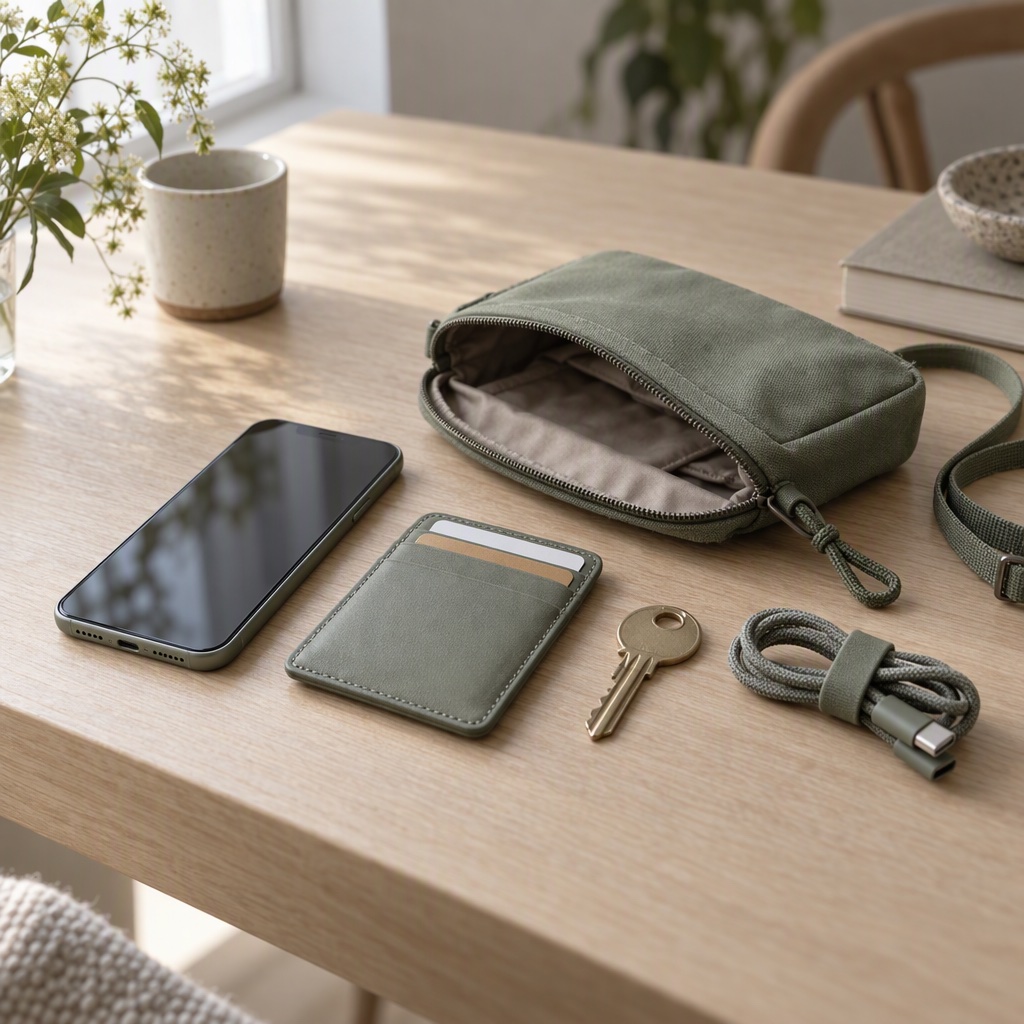
A waterproof phone pouch is the cheapest serious insurance a phone can have: a sealed plastic bag that lets you keep the phone with you at the beach, on a boat, or in the rain. The differences between a good pouch and a disappointing one are easy to miss in a product photo, so it pays to know what to look for. A trustworthy seal, a clear window that is actually usable, and a way to keep the pouch attached to you are the three things that matter. Everything else is a bonus.
- A stated water rating beats marketing words — look for an IP-style rating rather than a vague “splash-proof” claim.
- The closure must seal fully: a zip with a sealed seam, or a fold-and-clip top that leaves no gap for water to track along.
- Check the window is clear, thin, and positioned over the screen and cameras, and that touch still works through it.
- A lanyard or wrist strap matters — a pouch only protects the phone while it is still attached to you.
What does “waterproof” actually mean on a pouch?
Waterproof is a loaded word, and in practice it means different things on different products. Some pouches are rated only against splashes and brief rain, while others are tested for temporary submersion to a stated depth. Independent ratings such as the IP scale describe both water and dust protection, and the second digit tells you how the product handles immersion — the higher the number, the more serious the rating. A pouch with a stated rating has at least been tested against a defined standard, whereas an unrated “waterproof” pouch is making a promise nobody checked. Read the rating, then treat it as a limit rather than an invitation: no rating covers high-pressure water like a hose, and none of them cover leaving the pouch sealed for months with a damp phone inside.

iPhone Cases — case. Designed for everyday carry and backed by our 30-day happiness guarantee.
What makes a seal trustworthy?
The seal is the pouch. A fold-and-clip top, where the open end folds over on itself and is held by a buckle, creates a genuinely watertight line when it is closed correctly. A sealed zip is the other common approach, and a good one resists water tracking along the seam into the pouch. What you want to avoid is a single loose flap held by one strip of grip — it may keep out spray for a while, but a wave or a dunking will find the gap. Check that the closure runs the full width, that the material is thick rather than tissue-thin, and that there are no pinholes near the seams. Run a finger along every edge before you trust it with a phone.
What should the window and touch be like?
A pouch is only useful if you can still use the phone through it, and that is where cheap pouches fail. The window should be thin and optically clear, without the thick ripples that turn every photo into a blur. Touch sensitivity varies: some pouches pass your finger through cleanly, while others need firmer presses than you would expect. Check that the camera windows sit over the phone’s lenses — on multi-camera phones, misaligned windows leave a black circle across half your photos. If you rely on fingerprint unlock or face recognition, test both before you head out, because some windows defeat these sensors and you do not want to find out at the water’s edge.
Which extra features matter in daily use?
Fit is the first one: measure the pouch against your phone in its case, because a phone that barely fits will not close and a phone that rattles around will press against the window. A lanyard or wrist strap lets you carry the pouch safely while swimming or climbing, and a rotating clip is easier to use than a fixed loop. A small card pocket on the back is handy for a hotel key or a banknote, but keep it out of the water. Open and close the pouch with wet hands at home before your first trip, because a closure that fights you when dry will defeat you when wet, and that is exactly when you will be in a hurry. Take thirty seconds at the kitchen sink, run the tap over the sealed pouch, and check it before you trust it with the real thing.
What care does a pouch need?
Rinse the pouch in fresh water after every saltwater or chlorinated use, and rinse it again if it has been in a sandy pocket, because sand works into seams and then grinds against the window from the inside. Turn it fully inside out to dry, away from direct sun, before you store it — a damp pouch stored folded grows mildew and smells. Inspect the closure regularly for stretched seams, pinholes, and a weakening zip, and replace the pouch rather than the phone if you find them. Pouch seals are consumable, and a cheap replacement every couple of seasons is part of the cost of the system, not a failure of it. Store the pouch somewhere it will not be crushed under other gear, because a folded or creased window is difficult to see through and easy to mistake for a dirty one.
When is a pouch better than a waterproof case?
A pouch wins whenever you already own a case you like. Waterproof cases usually replace your normal case, cost more, and add bulk you feel every day; a pouch is a few dollars of protection you clip on only when the situation calls for it. Pouches also do not care about your phone model, which makes them ideal if you change phones often or want to protect a backup device. The trade-off is convenience: touch is less pleasant through a window, and photos suffer a little. For everyday water protection, read waterproof vs water-resistant phone cases, and for packing advice, see what belongs in a phone pouch and what does not.
Frequently asked questions
- Can you take photos through a pouch window? Yes, but expect some softening and glare at the edges. Keep the window clean, shoot in bright light, and hold the phone steady — it is fine for memories, not for gallery prints.
- Do pouches work with fingerprint unlock? Some do and some do not, depending on window thickness. Test yours at home before you rely on it in the water.
- How long does a pouch last? It depends on use and sun exposure, but seals and zips wear. Inspect the seams every season and replace the pouch at the first sign of a pinhole or stretched edge.
- Is a pouch safe in salt water? It is the right tool for the beach, as long as you rinse it thoroughly with fresh water afterwards and dry it fully inside out before storing it.
- Can you charge a phone while it is in the pouch? No — leave the pouch open in a dry place, charge, and only then seal the phone back in. Cables and water do not belong in the same zip.


