
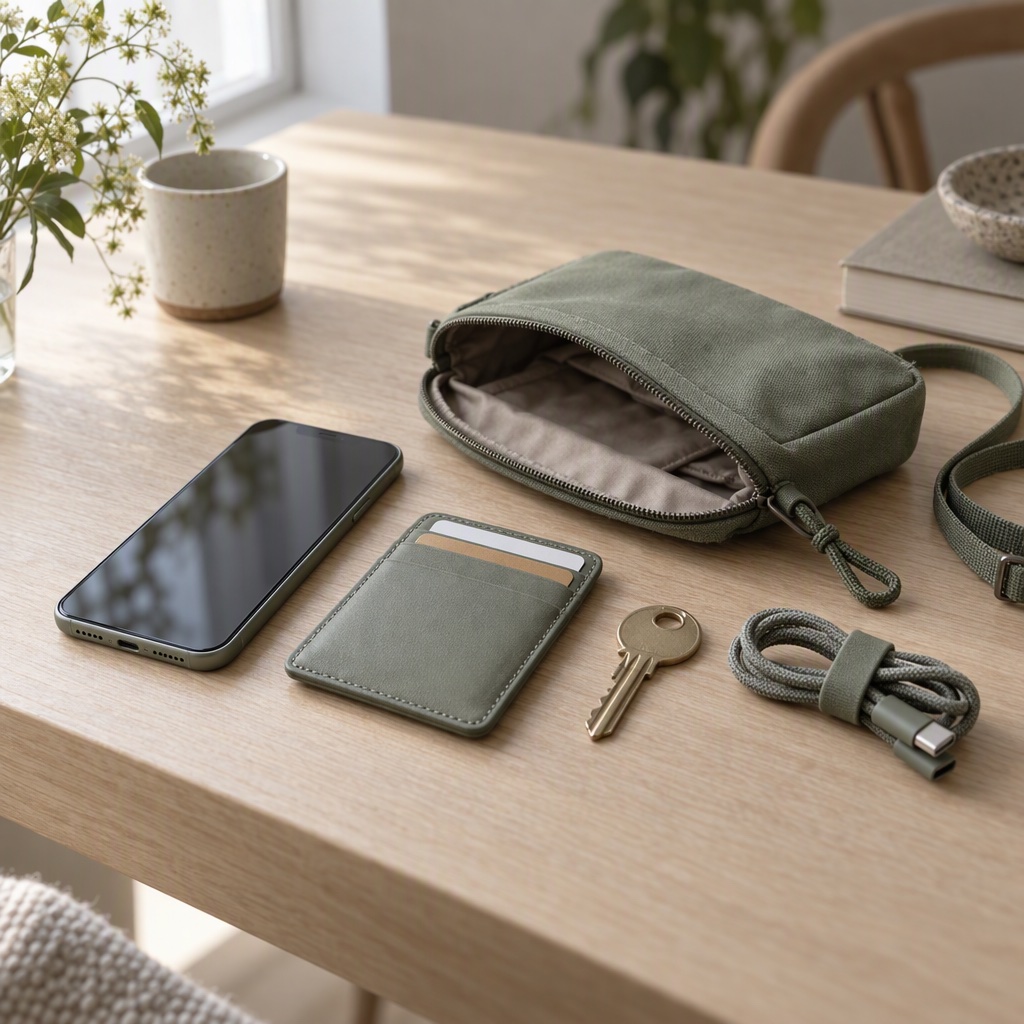
A gym bag is a hostile environment for a phone: keys, bottles, shoes, and sweaty clothes all share the space, and everything shifts as you walk. Most damage in a gym bag is not a dramatic drop but abrasion, dents from water bottles, and sweat working into seams. The case that survives is a full-cover one with raised lips, a grippy matte back, and covered ports — and it gets dried out after every session.
- Choose a full-cover case with raised lips around the screen and camera.
- A grippy, matte exterior slides less against bottles and zips.
- Keep the phone in a dedicated pocket, away from keys and shoes.
- Dry the case after every session; trapped sweat is what stains and smells.
What does a gym bag actually do to a case?
Three things, all day, every session. Abrasion is the first: the case rubs against the bag lining, zips, and whatever else is in there, which scuffs glossy backs and wears down raised edges over months. Pressure dents come second, because a water bottle or a knee sleeve pressed against a phone in a moving bag delivers a surprising amount of force to a small area. And moisture is the third — not a dunk, but a slow accumulation of sweat and damp fabric that seeps into seams and around port covers. None of these looks dramatic on any given day, which is exactly why they add up. Understanding that pattern tells you what to buy: a case designed for abrasion and sweat, not one designed for a drop-test video. The problem in a gym bag is not impact but abrasion, because keys, bottles and shoes rub against a case for hours at a time.
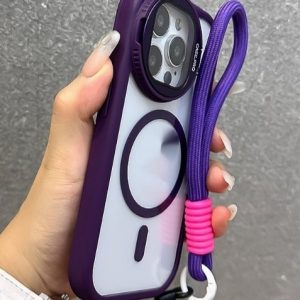
iPhone Cases — case. Designed for everyday carry and backed by our 30-day happiness guarantee.
Which case features matter most?
Corner protection and lips first. A case with thick, cushioned corners and a raised lip around the screen and camera survives the scuffs and the bottle dents that a slim case simply transmits to the phone. Port covers are the second feature to look for: covered charging ports and covered button wells keep sweat and pocket lint out, which matters more over a year than most people expect. A matte, slightly grippy back is third, because it resists sliding against the bag lining better than a glossy one. Our guide to choosing a phone case that actually protects goes through these trade-offs in detail. A case with a slightly matte or textured surface hides the fine scuffs that accumulate, while a smooth gloss case shows every one.
Where should the phone live in the bag?
A dedicated pocket, away from the bottom of the bag. The bottom is where shoes, chalk, and damp clothes end up, and it is also where the phone gets the most pressure when you set the bag down. A side or top pocket keeps it accessible and isolated, and a small pouch inside the bag adds a second barrier against keys and zips. If your gym bag has no suitable pocket, a padded pouch is a cheap fix that also gives you something to leave in a locker. The goal is simple: nothing heavy should be able to press against the phone, and nothing damp should be able to sit against it. Sweat is the second problem, so a case that wipes down easily beats one that absorbs moisture around the seams.
How do I clean the case after a workout?
Wipe it down after every session and clean it properly once a week if you train daily. The after-session wipe takes ten seconds: take the phone out, towel the case dry, and leave it off the phone so both dry completely before you reassemble. Reassembling a damp case traps moisture against the phone’s back, which is how you get both a smelly case and a damp phone. Once a week, remove the case and wash it with soapy water — most silicone and TPU cases handle this fine — then dry it fully before refitting. A case that smells has bacteria living in the sweat film, and it will not improve on its own. A case with a full lip around the camera protects the most expensive part of the phone from the flat base of the bag.
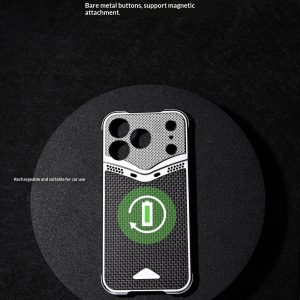
iPhone Cases — case. Designed for everyday carry and backed by our 30-day happiness guarantee.
Should the phone charge inside the bag?
No, and this is the mistake most people make without realising it. A charging phone generates heat, and inside a closed bag with a cable threaded through a zip, that heat has nowhere to go. The bag gets warm, the phone works harder, and the battery pays for it over months. If you want to charge while you train, take the phone out and put it on top of the bag or in a dedicated outer pocket where air can move around it. Short top-ups while the phone sits out are fine; buried charging inside a closed bag is the combination worth avoiding, whatever the season. Carry the phone in a pouch inside the bag if you can, since separating it from the rest of the contents solves most of the problem at once.
When should I replace the case?
Replace it when the protection stops being protective. The signs are stretched corners that no longer hug the phone, a cracked or deformed lip around the screen, a cracked camera ring, or a case that has gone permanently smelly even after washing. A case that has taken a hard drop is also worth inspecting carefully, because the energy it absorbed may have quietly used up its cushioning. Swapping a case is a two-minute job — our guide to replacing a phone case yourself walks through it — and a fresh case costs far less than the repair it prevents.
Frequently asked questions
- Do waterproof cases make sense for a gym bag? Only if your phone regularly gets near water — a pool deck, a rowing tank, a wet changing room. For a normal gym bag, a full-cover case with port covers does the job at a fraction of the bulk, and it stays easier to open with one hand.
- How often should I wash the case? Wipe it after every session, and give it a proper wash once a week if you train daily. More importantly, dry it completely before you put it back on the phone. Sunlight dries silicone quickly, but avoid leaving a case on a hot windowsill.
- Can sweat actually damage the phone itself? Over time, yes. Moisture finds port openings and works past seals, and salt from sweat is corrosive. A case with port covers slows this down, but drying the phone and case after workouts is the real protection, and a case that opens easily is easier to dry properly.
- Is a ring grip useful at the gym? It can be, if you prop the phone on a bench or machine to follow a workout video. Sweaty hands make metal rings slippery, though, so a stand is usually the better tool for that job, and a ring that slides is no grip at all.
- What about deodorant and fragrance sprays? They can haze plastics and weaken adhesives, so spray before you set the phone down rather than after. If a case gets sprayed directly, wipe it off straight away, and keep it away from sunscreen, which leaves a film that is even harder to shift.


