
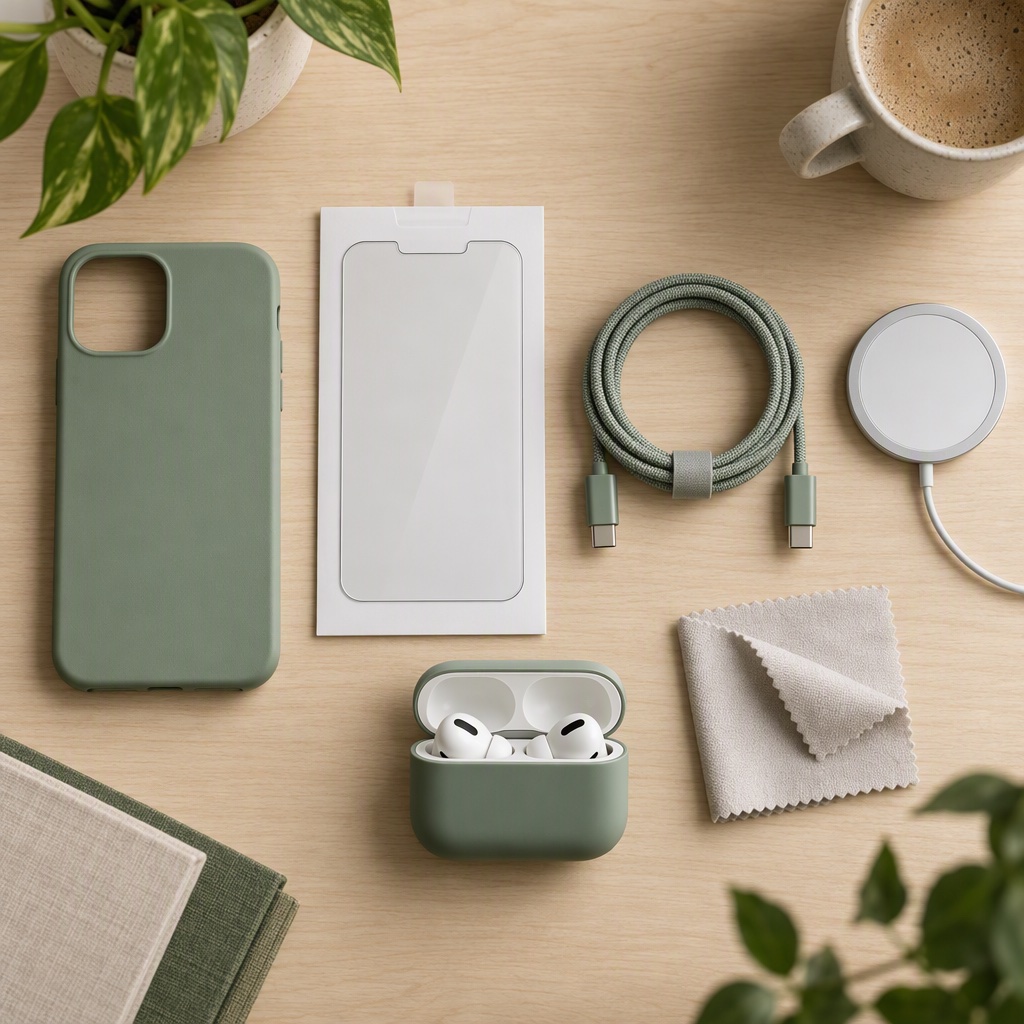
Running out of phone storage is rarely about one huge file. It is usually a slow build-up of photos you meant to sort, videos you never watched again, apps you forgot you had and caches that quietly grew for years. The good news is that you almost never need to delete the things you actually care about. If you work in the right order, starting with the easiest and most replaceable items, you can free a surprising amount of space in a single sitting. What follows is a sensible order of attack, from the quick wins to the bigger changes.
- Check where the space has actually gone before deleting anything.
- Start with duplicates, screenshots and old downloads.
- Clear app caches for a quick win, but expect them to refill.
- Back up photos and videos before you delete a single one.
What is actually taking up my storage?
Before you delete anything, look at where the space has gone, because the answer is rarely what you expect. Open your storage settings and read the breakdown by category. Photos and videos almost always top the list, followed by apps and their data, then messages with attachments. System files take a fixed slice that you cannot touch, and that slice tends to grow with every update. A useful trick is to sort your photo library by file size, since a few long videos often account for more space than thousands of photos. Once you can see the real numbers, you can make a sensible plan instead of guessing. Deleting at random wastes time and rarely frees much. Ten minutes of looking saves an hour of tidying.

Cables & Adapters — cable. Designed for everyday carry and backed by our 30-day happiness guarantee.
What should I delete first?
Start with the things that are easiest to replace. Duplicate photos and accidental screenshots are the classic first target, followed by blurry shots and old videos you will never watch again. Next, look at downloads and offline files you have already finished with, such as saved videos from a trip that ended months ago. Old voice notes and long message threads with large attachments are another quiet space hog. Then check apps you have not opened in months, because deleting them usually clears their data as well. Only after those do you need to think about the files you actually care about. Clearing the easy stuff first often frees more space than people expect. You rarely need to touch your best photos at all.
Is it safe to delete photos and videos?
Yes, as long as a copy exists somewhere else. This is the step where people get nervous, and rightly so, because photos are the one thing on a phone that cannot be recreated. Back everything up first, then confirm the backup worked by opening a few random files from it. Once you are sure, you can delete from the phone with confidence. Be careful with the recently deleted folder, which usually holds items for a period before they are gone for good. If you are unsure about a folder, move it somewhere else rather than deleting it. Our guide to backing up your phone properly walks through the check. A copy you have tested is what makes deleting safe.
Which apps are the worst offenders?
Messaging apps, streaming apps and social apps are usually the biggest surprise. Messaging apps quietly store every photo and video anyone has ever sent you, and that folder can grow into many gigabytes without you noticing. Streaming apps keep downloaded shows and music for offline use, which is useful until you forget they are there. Social apps cache images and videos aggressively, and that cache can be cleared without losing anything important. Maps apps store downloaded regions, which are large but genuinely useful when you travel. Games often bundle several gigabytes of assets that are reinstalled if you delete and re-download them. Check each app’s own storage settings rather than the system list. The savings are often hiding inside apps, not between them.

Cables & Adapters — cable. Designed for everyday carry and backed by our 30-day happiness guarantee.
Does clearing a cache really help?
It helps, but less than people hope, and it is not a permanent fix. A cache is a store of temporary files that apps keep so they load faster, so clearing it makes the app slightly slower the next time you open it. The space it frees is real, though, and for a heavily used social or messaging app it can be substantial. The trouble is that caches refill quickly, so you may find yourself clearing them again within weeks. Treat it as a quick win when you need room right now, not as a strategy. The bigger gains come from deleting files you no longer need and removing apps you no longer use. Clearing a cache is a short-term fix, and it is worth knowing the difference.
What should I do if I still run out of space?
If you have cleared the obvious things and are still tight, change how you store files rather than what you delete. Move photos and videos to cloud storage or an external drive and keep only recent items on the phone. Set your camera to a more efficient file format if it offers one, which saves meaningful space per shot. Turn off automatic downloads in messaging apps so new media stays in the cloud until you ask for it. Use streaming rather than downloading for music and video. If your phone supports expandable storage, a memory card takes the pressure off the built-in drive. Finally, check whether you are simply near the limit of what the phone can hold. A tidier home screen helps too, and our guide to organising your phone’s home screen is a good next step.
Frequently asked questions
- Will deleting an app delete my data? Usually yes, unless the app stores your content in an online account. Anything held only on the phone goes with the app, so check before you delete and back up anything you care about first. If the app asks you to sign in, your data is probably safe in the cloud.
- Why does my phone say it is full when I have deleted things? The recently deleted folder, app caches and system files often hold space after a delete. Empty the trash, clear the biggest caches and restart the phone to see the real figure. Give it a minute, because large files can take a while to clear.
- Are cloud backups counted against my storage? Cloud storage is separate from your phone’s built-in storage. Keeping photos in the cloud frees phone space, but you still need room for the app and a small local cache. Check how much space the cloud app itself uses.
- Is it safe to delete system files? No. Leave system files and folders alone. They are protected for good reason, and removing them can stop the phone working properly. Stick to your own photos, videos and apps. If you are tempted, look for a supported cleanup tool inside the phone’s settings instead.
- How much space should I leave free? It is wise to keep a noticeable slice free, because the system needs room for updates, caches and temporary files. A completely full phone often runs slowly and struggles to update. If you cannot free that much, move media to the cloud instead of deleting what matters.


